Good morning. Here’s what happened overnight and what you need to know today.
1.
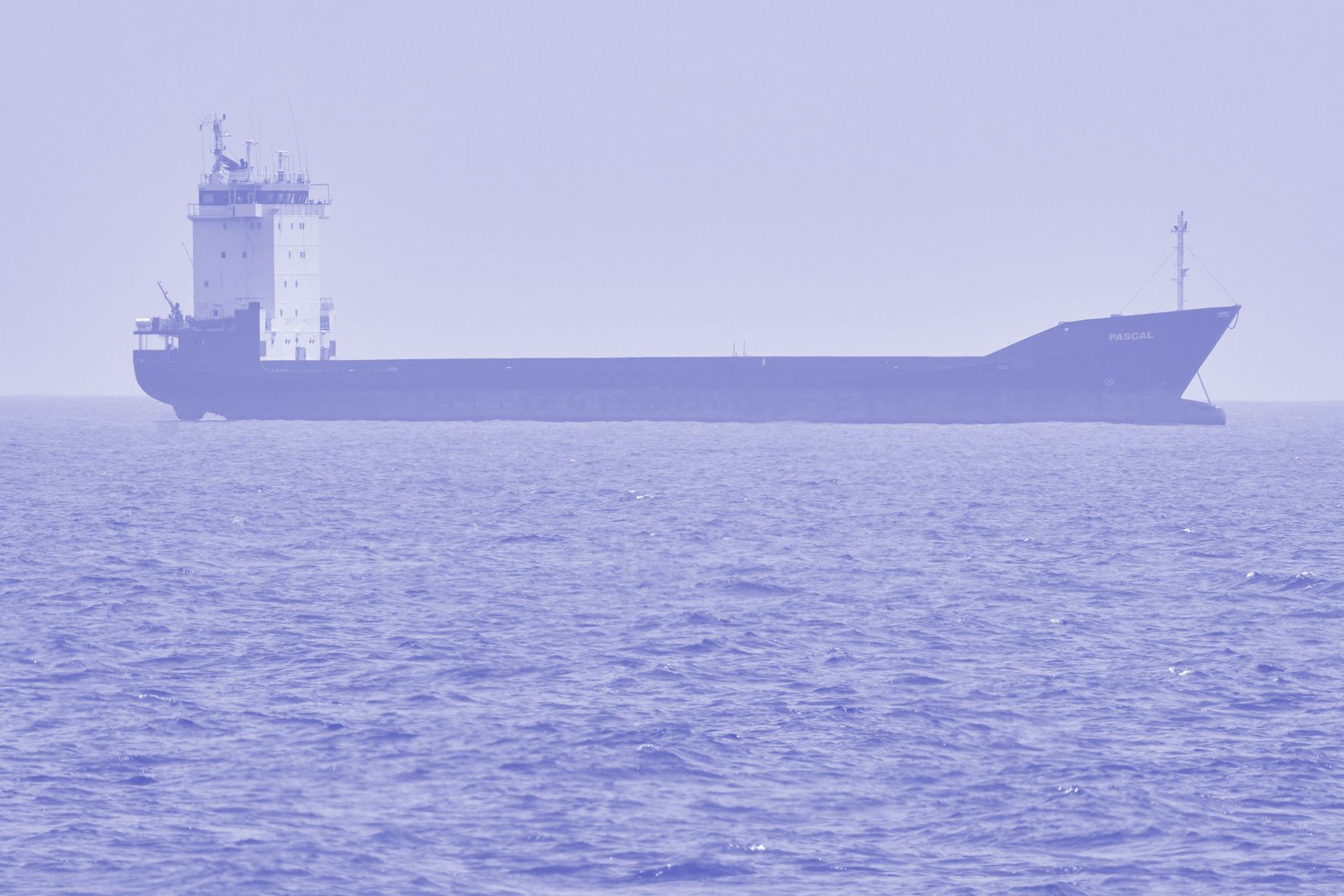
Iran war: The United States has struck Iran for a third time in a week after Iranian forces attacked a container ship in the Strait of Hormuz, prompting Tehran to retaliate against at least five Gulf Arab states and declare the strait closed. US Central Command said it hit around 140 targets, its heaviest strikes of the week, after the Cyprus-flagged M/V GFS Galaxy was hit off Oman’s coast, leaving one Indian crew member missing. Iran retaliated with missiles and drones against Bahrain, Kuwait, Qatar, Jordan and Oman. Iran’s Revolutionary Guard said it struck US military sites in each. Qatar said falling debris from intercepted missiles wounded three people including a child. Iran says the key strait is closed until “stability and calm are restored”. But Washington disputes this, with Trump telling NBC “we bombed the hell out of them last night”, insisting the route remains open. The Joint Maritime Information Center said the southern route off Oman stayed open at a ‘severe’ threat level. Iran wants to control traffic through the strait and charge transit fees, its main leverage over Washington. Negotiations appear near collapse, with Iran’s lead negotiator Mohammad Bagher Qalibaf posting that “the era of one-sided deals is OVER". (Reuters)(WSJ)(FT)(AP)
2.
Social licence: Prime Minister Anthony Albanese will deliver a speech in Sydney on Wednesday setting out the government’s approach to AI, including in Defence, with the technology required to earn its social licence. Titled “AI in Australia’s interests”, the speech will outline future guardrails around AI. “To ensure that AI earns its social licence, driving growth without undercutting conditions, fragmenting our society or damaging our environment,” Albanese is quoted as saying in an invitation to the speech, according to the AFR. Defence Industry Minister Pat Conroy confirmed on ABC Insiders the speech would detail the defence plan. The speech follows signals that Labor is moving towards a more active role on AI, as unions push for stronger worker protections and MPs face pushback against suburban data centre expansion. Opposition defence spokesman James Paterson said winning the AI race was a “national security imperative” and said foreign authoritarian states may try to slow the rollout. Business groups argued against onerous requirements on data centre developers that could deter investment. (Capital Brief)(AFR)(The Australian)