World holds breath as Iran weighs next move
Plus: Trump’s Iran strike exposes split between Labor and Coalition; Tesla begins limited robotaxi service in Austin; Greece urges ships to avoid Strait of Hormuz.

Good morning. Here's what happened overnight and what you need to know today.

1.
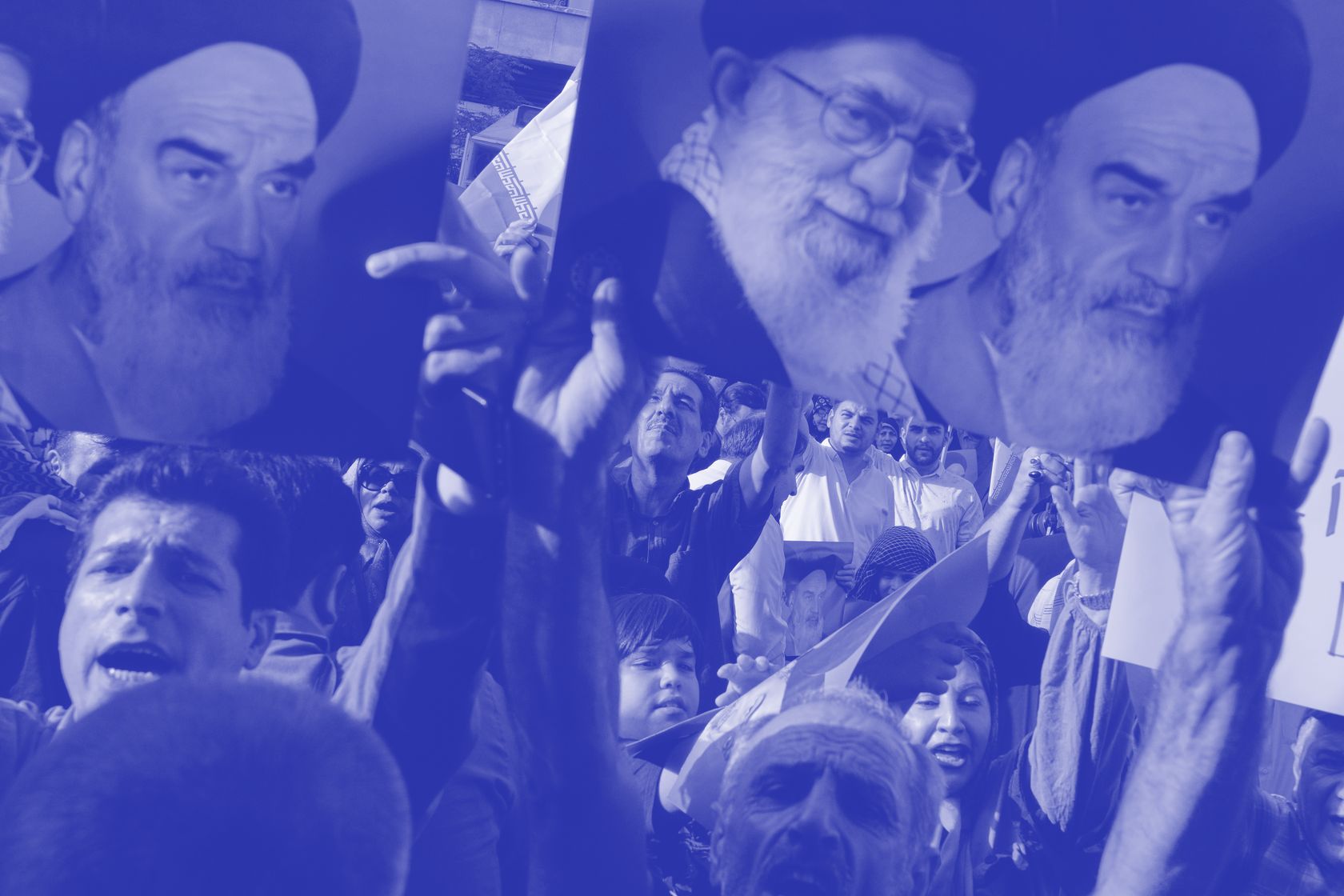
Iran’s move: Iran is weighing its response after the US strikes on Iran’s nuclear sites, with global powers urging restraint and oil markets bracing for disruption. The US used B‑2 bombers, submarine‑launched Tomahawk missiles and, for the first time in combat, 30,000‑pound “bunker buster” bombs to target Fordow, Natanz and Isfahan. The Pentagon on Sunday said all three sites sustained “extremely severe damage and destruction.” Iranian officials claimed that critical equipment had been moved before the strikes, with its Foreign Minister Abbas Araghchi calling the strikes a breach of the Nuclear Non‑Proliferation Treaty and saying Iran “reserves all options”. Iranian media and officials have discussed potential responses, and Iran’s parliament is considering withdrawal from the treaty and closing the Strait of Hormuz, through which around 20% of global oil and gas demand flows. Those moves would require approval from the Supreme Leader, Ayatollah Ali Khamenei, who wary of assassination, has named three senior clerics as candidates to succeed him. After the US operation on Sunday morning, local time, Iran fired missiles at Israel, which also continued striking Iranian military targets. The IAEA reported no radiation leaks at the three hit sites, though inspectors have been unable to access locations. China, Russia and the UN condemned the US attack, the UK, France and Germany urged restraint, while Australia called for de-escalation and reiterated concerns about Iran’s nuclear and missile programs. (FT)(NYT)(WSJ)(Reuters)
2.
Aussie split: Donald Trump’s decision to bomb Iran’s nuclear facilities exposed a split between the Albanese government and the federal opposition, amid warnings from security experts that the move could spiral into a regional conflict. Labor did not offer full-throated support for the attack after it was announced by Trump. Instead Albanese stressed Iran’s ballistic missile program was a “threat to international peace and security” and called for “de-escalation, dialogue and diplomacy.” In contrast, Coalition leader Sussan Ley extended unconditional support for the US strike, citing Iran’s threats against Israel and repression of its citizens. Middle East experts warned the attack could leave Iran with “absolutely no trust” in the US, incentivise it to double down on efforts to obtain a nuclear weapon, and lead to retaliation including targeting US bases, activating proxies or closing the Strait of Hormuz. “This could really develop into something very uncontrollable and engulf the whole region,” said professor Amin Saikal, a Middle East analyst at the ANU. (Capital Brief)
3.
Soft launch: Tesla launched its robotaxi service in Austin, Texas on Sunday, marking the company’s long-awaited entry into the autonomous ride-hailing market.Roughly 20 Tesla Model Ys were involved in the launch, with the small fleet restricted to limited areas of the city. The launch has been highly anticipated by Tesla fans and investors, who are hoping that the new offering could buoy the brand which has been dogged by lagging sales and widespread consumer backlash against CEO Elon Musk. News of the rollout emerged after several social media users who have been known for promoting the EV carmaker shared details about their participation in the launch. The robotaxis are operated through an advanced version of Tesla’s driver-assistance software, which relies on eight cameras that act as sensors for the system. The WSJ says that Tesla plans to introduce two specially designed robotaxis to its service, the Cybercab and Robovan, sometime next year. (Capital Brief)(WSJ)(Bloomberg)(Reuters)(CNBC)
4.
Trade routes: Greece’s shipping ministry advised vessel owners to reconsider their use of the Strait of Hormuz following the US’ strikes on Iranian nuclear sites. A message from the ministry seen by Bloomberg says that vessels planning to sail through the Strait should “reassess passage of the Strait of Hormuz” until the situation normalises. The message added that if vessels do decide to transit, shipowners should adopt the highest security level available and maintain the maximum possible distance from Iranian waters. Last week the cost of freight shipping and crude oil prices surged as tensions in the region rose, with security in the Strait of Hormuz – a vital transit route for the world’s oil consumption – remaining a potential flashpoint. On Sunday, shipping giant Maersk said that its ships continued to sail through the Strait but that it was ready to re-evaluate this based on available information. (Bloomberg)(Reuters)
5.
Holding steady: Stock markets across the Middle East were trading higher on Sunday, seemingly unfazed by rising tensions across the Gulf after the US targeted Iranian nuclear sites. Israel’s TA-35 benchmark index advanced 1.5%, posting gains for the sixth day running and on track for the biggest quarterly advance since 2003. Egypt’s equity benchmark posted a 2.7% jump. Kuwait’s Boursa Kuwait Premier Market Index and MSX30 in Muscat rose a modest 0.4%. Qatar’s benchmark rose 0.2% while Saudi Arabia’s Tadawul All Share Index fell 0.3%. Oil prices are expected to surge on open this morning, as prices have already climbed around 10% since Israel launched a surprise attack on Iran 10 days ago. Ahead of the US’ weekend strikes, analysts from Barclays said in a note that Brent crude oil prices, "the main risk channel for the global economy" could rise above USD100 ($154.5) per barrel if there was an escalation in the conflict. (Capital Brief)(Reuters)(Bloomberg)(FT)
6.
Jet jitters: British Airways and Singapore Airlines cancelled flights to Dubai and Doha after the US strikes on Iran’s nuclear sites, adding to widespread disruption as airlines avoid Middle East conflict zones. All BA flights to Dubai and Doha were suspended on Sunday, with services to Bahrain already paused until June 30. Singapore Airlines cancelled Dubai flights on Sunday following “a security assessment of the geopolitical situation in the Middle East” and warned other services may be affected as the situation remains “fluid”. More than 150 carriers had already diverted or suspended flights last week after airspace over Israel, Iraq and Jordan was closed after the war erupted between Israel and Iran. Israel reopened its airspace for six hours on Sunday for rescue flights and is expected to do so again for a limited time Monday. (FT)(Bloomberg)
7.
Russia-Ukraine war: Ukraine’s top commander said that its forces are still holding ground in Kursk despite 10,000 Russian troops currently attempting to drive them back. Russia has repeatedly said that it has recaptured the entire Kursk region after being taken by Ukraine almost one year ago, but Ukraine's commander-in-chief Oleksandr Syrsky said on Sunday that Ukraine still holds around 90 square kilometres of territory. Just before the weekend Russian President Vladimir Putin said that in his view, the whole of Ukraine was “ours” and warned that Russian forces could take the Ukrainian city of Sumy to build a buffer zone along the border. On Saturday, several members of the Belarusian opposition, including opposition leader Siarhei Tsikhanouski, were freed from prison under a deal brokered by US special envoy Keith Kellogg. Kellogg’s trip to Belarus was arranged with the intention of freeing prisoners and improving the atmosphere for peace talks between Russia and Ukraine. (Reuters)(BBC)(Politico)(Reuters)
8.
Trade strain: A key trade negotiator for South Korea said that he plans to raise concerns about possible US restrictions on chipmakers in China when he meets US officials in Washington this week, Reuters reports. Trade Minister Yeo Han-koo told reporters "I will pass on the concerns among those in the industry and take utmost care," when asked about concerns that the US may adopt policies to make it difficult for foreign chipmakers to operate in China. He added that Seoul may not stick to the July deadline, suggesting talks may continue beyond 8 July amid political and economic uncertainties in the US. South Korea is currently subject to a blanket 10% tariff with a 25% country-specific duty on pause for 90 days, agreed with the US in their April trade talks. South Korea’s account surplus with the US reached a record high of USD118.2 billion ($182.62 billion) last year. (Reuters)(Bloomberg)
