Xi, Albanese talk up stable Australia-China relations
Plus: Nomura is first to forecast Fed rate pause in December; Biden’s missile greenlight sparks Kremlin threats; Tesla rallies on reports of Trump's autonomy rules push.


Good morning. Here's what happened overnight and what you need to know today.

1.
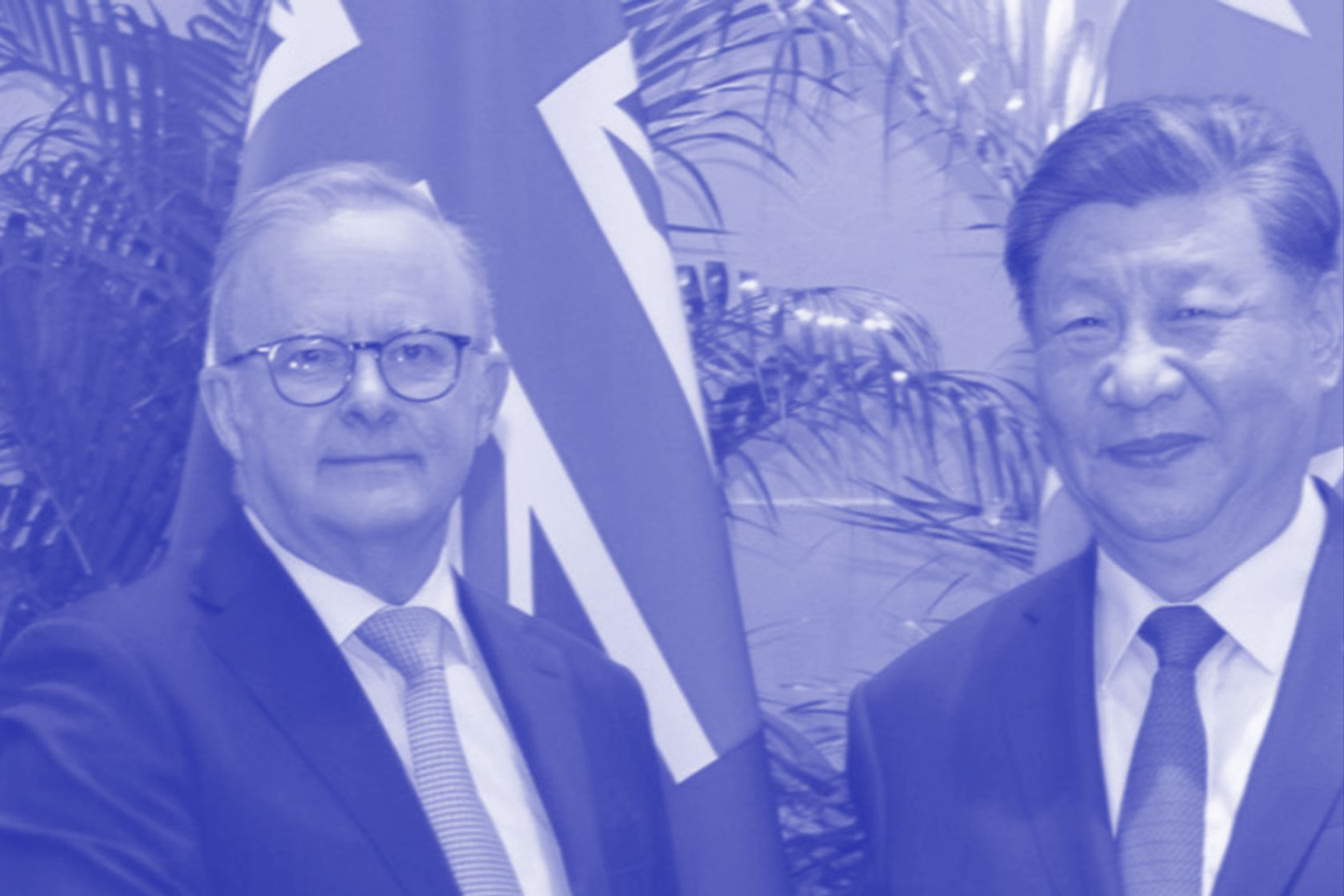
Rio reunion: Anthony Albanese met with President Xi Jinping on the sidelines of the G20 summit in Rio de Janeiro, Brazil, where the Chinese President declared relations between the two countries have “turned around” but need to be handled "with great care". Xi invited Albanese to visit China next year and described their discussions over the past year as “very productive,” while Albanese noted trade was flowing more freely, benefiting both countries. Xi, joined by 11 officials, told Albanese: “I wish to work with you, Mr Prime Minister, to make our comprehensive strategic partnership more mature, stable and fruitful and inject more stability and certainty to the region and the wider world.” Albanese, accompanied by an entourage of four, in opening remarks highlighted the importance of cooperation on shared interests, including the energy transition. Albanese also raised the war in Ukraine and the plight of detained Australian writer Yang Hengjun with Xi during their meeting, according to a spokesperson. (Capital Brief)
2.
Fed freeze: Nomura is projecting the US Federal Reserve will pause rate cuts at its December policy meeting, making it the first major global brokerage to signal a halt following Donald Trump's presidential victory. Nomura foresees only two 25-basis-point rate cuts in March and June 2025, maintaining a 4.125% Fed funds rate through next year, Reuters reported. The Fed’s current rate stands at 4.50%-4.75%, with 75 basis points cut in 2024. Nomura’s forecast is underpinned by recent hawkish policy remarks and inflation concerns. In contrast, Goldman Sachs and JP Morgan expect a 25-bp cut in December, while traders are pricing a 34.7% chance of a rate cut pause. The US economy is facing inflationary risks amid Trump's proposed tax cuts, higher tariffs and radically tightened immigration. The US consumer price index rose 2.6% year-on-year in October, aligning with forecasts but exceeding the Fed's 2% target. (Reuters)
3.
Missile greenlight: Ukraine welcomed President Joe Biden’s decision to allow long-range strikes inside Russia using US-supplied missiles, a move Ukrainian President Volodymyr Zelenskyy suggested would lead to imminent unannounced strikes. During his Sunday night address, Zelenskyy suggested the first strikes using the missiles would have no warning. “Such things are not announced. The rockets will speak for themselves.” On Monday (Tuesday AEDT) the Kremlin warned the authorisation was a major step towards a direct confrontation between Russia and NATO, and officials vowed an “appropriate” and “tangible” response if the missiles are fired into their territory. The permission allows Ukraine to deploy the ATACMS ballistic missile system with a range of 306 kilometres to defend the foothold it seized in Russia’s Kursk region. “This escalates tensions to a qualitatively new level,” Dmitri Peskov, the Kremlin’s spokesman said. Meanwhile, Biden urged leaders at the G20 in Rio to support Ukraine, without directly referring to the decision. (Capital Brief)(BBC)(NYT)(Reuters)(FT)
4.
Autonomy surge: Tesla shares rose over 8% on Tuesday intraday trading after a Bloomberg report said President-elect Donald Trump's transition team was planning to develop federal regulations for autonomous vehicles as part of its priorities. Tesla CEO Elon Musk, a Trump supporter recently appointed as co-head of the new government efficiency department, had previously expressed frustration with the current state-by-state approval process for self-driving cars, calling it "incredibly painful." The EV maker has not yet released a fully autonomous vehicle, and analysts suggest a federal framework could speed up Tesla's Full Self-Driving (FSD) testing. Tesla has been developing its technology for more than four years, with its FSD system under investigation by the auto safety body after reported accidents, including a 2023 fatal crash. (Bloomberg)(Reuters)
5.
Bitcoin bet: MicroStrategy purchased approximately 51,780 Bitcoin for USD4.6 billion ($7.98 billion), according to an SEC filing, marking its largest acquisition of the digital asset since it began buying it over four years ago. The purchases, made between 11 and 17 November, bring the company’s total holdings to 331,200 Bitcoin, acquired at an average price of USD49,874 per token. The disclosure supported Bitcoin’s rebound on Monday (Tuesday AEDT) after its largest two-day decline since the US election, reaching USD92,215 before easing to USD91,539. Led by co-founder and Chairman Michael Saylor, MicroStrategy started investing in Bitcoin in 2020 as a hedge against inflation and has since become the largest institutional holder. Initially funded with cash, the company shifted to stock issuance and convertible debt sales to finance purchases. Saylor plans to raise USD42 billion over the next three years. (Bloomberg)(MicroStrategy filing)
6.
Spirit dive: Spirit Airlines filed for Chapter 11 protection in New York amid persistent losses, marking the first major US carrier in over a decade to file for bankruptcy. Known for its low-cost, no-frills model, Spirit has struggled with competition, high debt, rising costs and grounded planes due to engine issues. It began restructuring talks with creditors earlier this year after a judge blocked JetBlue’s USD3.8 billion ($5.87 billion) acquisition bid, citing potential fare hikes for travellers. Spirit has reached an agreement with creditors holding about 80% of the debt to be restructured where bondholders will swap USD795 million of notes for equity, provide USD350 million in fresh equity and a USD300 million loan. Under the plan, Spirit’s shares will be delisted and stockholders wiped out, but the carrier will continue operations and exit bankruptcy in 2025. Spirit last reported a profit in 2019, recording over USD2.2 billion in losses since 2020. (Capital Brief)(Bloomberg)(WSJ)(Reuters)
7.
FCC shift: President-elect Donald Trump nominated Brendan Carr, the most senior Republican on the Federal Communications Commission (FCC), as its next chairman. Carr is known for his critical stance on Big Tech, contributing a chapter to the conservative Project 2025 manifesto, and advocating the potential ban of TikTok if it remains linked to its Chinese parent company. Trump described Carr – who has referred to Meta, Alphabet, Apple and Microsoft as being part of a “censorship cartel”– as a “a warrior for free speech” who would end what Trump called a “regulatory onslaught crippling America’s job creators and innovators.” Carr said the FCC would enforce broadcasters' public interest obligations, but his alignment with Trump’s agenda raised concerns from media reform groups about prioritizing personal agendas over public interest in media regulation.(FT)(CNN)(CNBC)
8.
Digital spin: Goldman Sachs plans to spin out its digital assets platform, GS DAP, into a new independent company within 12 to 18 months, subject to regulatory approval. The move is part of an effort to expand blockchain technology for trading and settling assets, the company said. Mathew McDermott, Goldman's global head of digital assets, spoke of ongoing talks with market participants and the importance of having industry ownership to scale the platform. Rates and credit trading platform Tradeweb Markets will be GS DAP's first strategic partner, aiding in new commercial use cases. Goldman launched GS DAP in 2022, using it for transactions like bond issuances for the European Investment Bank. The bank will retain its digital assets team and continue exploring initiatives, including resuming Bitcoin-backed lending and facilitating secondary transactions in private digital-asset firms. Goldman's history of spinning out tech platforms includes REDI Technologies in 2013 and Simon in subsequent years. (Bloomberg)(Reuters)
