Xi and Putin vow closer co-operation
Plus: Arm shares soar 60% on AI chip strength; TikTok and Meta take issue with EU data fees; Zyn drives up Philip Morris’ profits.

Good morning. Here's what happened overnight and what you need to know today.

1.
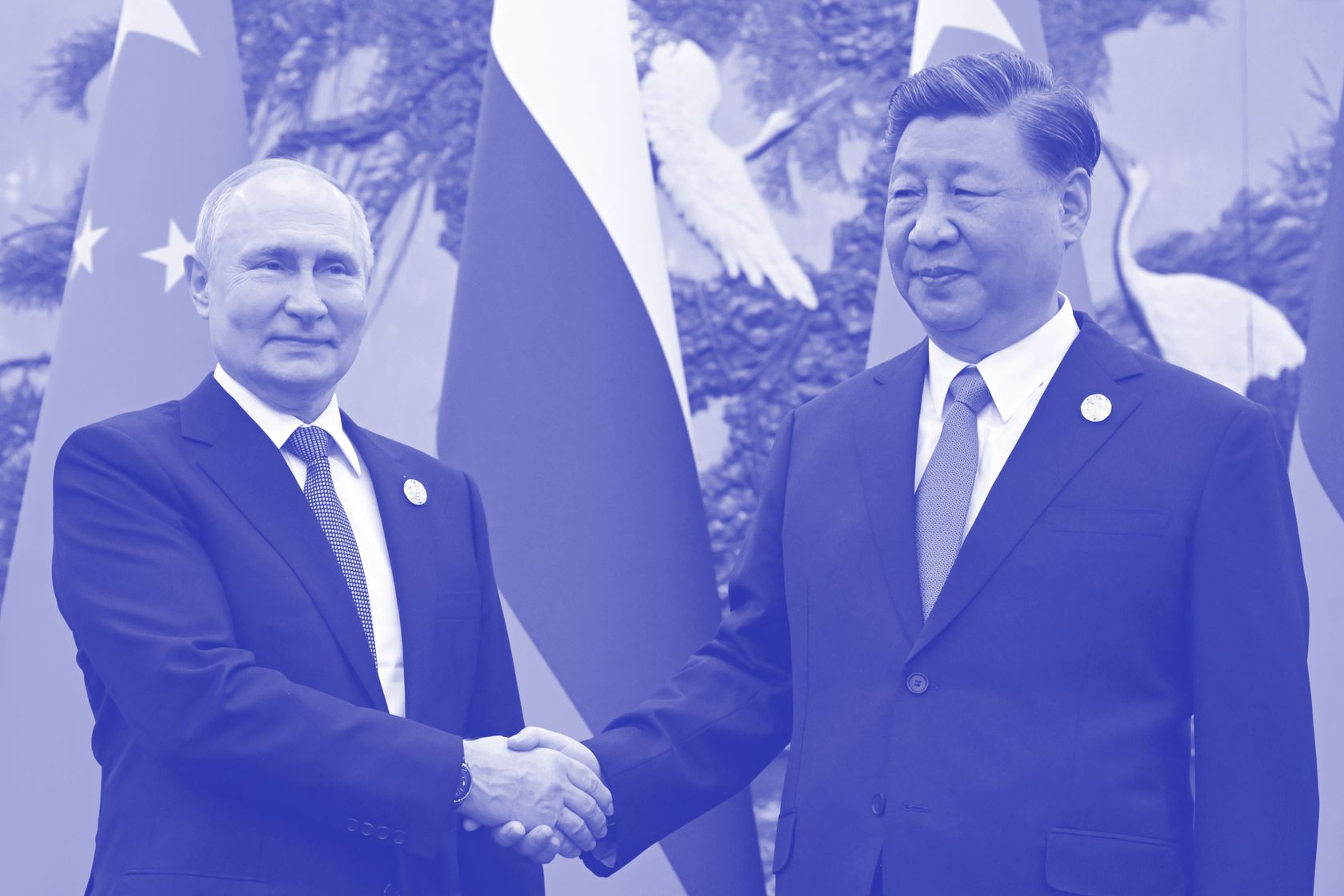
Enemy of my enemy: Xi Jinping has called for stronger ‘strategic coordination’ between China and Russia, underscoring the country’s ties and desire to push back on US influence. Chinese state media reported that in a call between president Xi and Vladimir Putin, Xi said Moscow and Beijing “should strengthen strategic co-ordination, safeguard the national sovereignty, security and development interests of their respective countries, and resolutely oppose external interference in their internal affairs.” China has remained a significant trading partner with Russia since its invasion of Ukraine, and the Kremlin reportedly supported Xi’s position on Taiwan during the call. (Financial Times)
2.
Arm gets AI leg-up: Arm shares have soared on the back of earnings and a strong profit forecast for the current quarter. The SoftBank-backed UK chip designer beat expectations for Q4, with revenues up 14% year-on-year at USD824 million ($1.27 billion). The company also revised its full-year revenue guidance from USD2.96 billion-USD3.1 billion to USD3.15 billion-USD3.2 billion. CEO Rene Haas said Arm has benefited from the “profound opportunity” that is AI applications for big tech. Arm shares climbed over 60% during trading on Thursday. (CNBC)(Financial Times)
3.
Giant pushback: TikTok and Meta have taken aim at the EU’s content moderation laws in court, for imposing larger fees on the social media giants than their competitors. The EU’s Digital Services Act requires social media platforms to hire more content moderators and adopt risk mitigation strategies to reduce the spread of harmful content, or risk steep fines for non-compliance. TikTok and Meta argue that the EU’s method for calculating the charges mean they are forced to pay a disproportionate amount compared to other tech players with a larger user base. (Bloomberg)
4.
Zyn wins: Tobacco giant Philip Morris has forecast 9% profit growth for 2024 as demand for its Zyn nicotine pouches surge. The company shipped 116 million cans of the nicotine sachets during Q4, an increase of 78%. US shipments of the product rose 62% for the year. Zyn has recently made headlines after Senate majority leader Chuck Schumer called for federal action to crack down on the product, as teens are rapidly adopting Zyn as an e-cigarette alternative. Philip Morris acquired Zyn from Swedish Match for USD16 billion in 2022. (Bloomberg)
5.
To-do listing: US fintech, Plaid, has named Jen Taylor as the company’s first president, signalling another potential step toward an IPO. Plaid has been building out its executive ranks – a common precursor to listing – appointing a CFO and head of Europe in late 2023. Plaid was last valued at USD13.4 billion during a fundraise in 2021, which took place a few months after it ended talks for a Visa buyout due to antitrust concerns. (Bloomberg)
6.
Incumbent pressures: French bank Société Générale reported a 60% drop in net profits of €430 million in its fourth-quarter earnings. The country’s third largest lender beat forecasts, but did not benefit as quickly as other European banks when interest rates jumped in 2023, due to local consumer protections which slowed the pace at which they could be passed on. CEO Slawomir Krupa said that the bank plans to accelerate revenue growth during 2024. (Financial Times)
7.
Climate tech: HSBC has partnered with Google to deploy USD1 billion in climate technology financing. HSBC will look to provide funding to companies selected by Google’s Cloud Ready-Sustainability program, membership of which requires validation processes including quality, tech efficacy and customer traction. Six months after HSBC acquired Silicon Valley Bank UK, HSBC announced its plans to provide USD1 billion in funding to climate tech companies by 2030. Before its collapse, SVB had been a large player in the venture debt space for climate tech. (Reuters)
8.
Pooling data: Data security firm Cohesity has agreed to buy Veritas’ data protection business, which will value the combined companies at USD7 billion. Cohesity, which is backed by SoftBank, told Reuters that the cash and stock acquisition will help the company hit positive growth margins and expand internationally. Speaking to the firms’ combined USD1.6 billion in annual revenue, Cohesity CEO Sanjay Poonen said: "You've got the fastest growth on our side and the best profitably on their side, combined together to be a profitable growth machine that's innovating with AI.” (Reuters)
