A dismal week for data has led economists to re-litigate the RBA's November rate hike
The Reserve Bank’s rate rise in November wasn't a surprise but for many it was an irritation. With inflation now slowing quicker than expected, debate is raging about whether the central bank has pushed too hard.


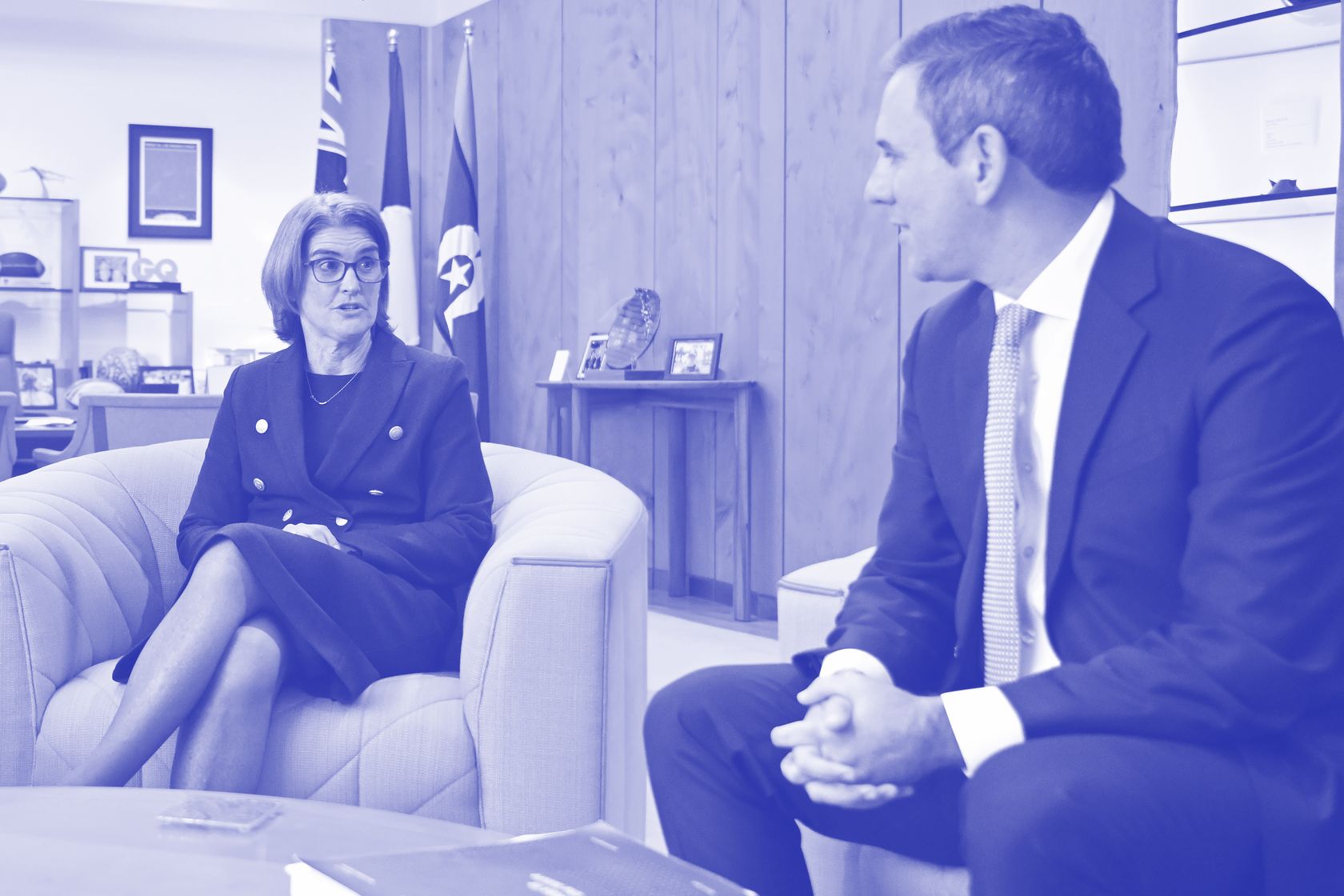
Treasurer Jim Chalmers this week gave a pretty strong signal that the national political debate on the economy is about to pivot away from inflation and towards economic growth - or the lack thereof.
“Inflation remains our major concern but for most of us the balance of risks in the economy has shifted, is shifting, or will shift before long from inflation to growth,” Chalmers said in his G20 speech, noting GDP growth for December is likely to be weak. That figure will be published next Wednesday but is widely expected to show growth around 0.3% over the final quarter and 1.5% for the year.
Chalmers comments, as well as fresh figures this week showing inflation for January came in below expectations and retail sales are stalling, has reignited a debate among economists about whether the RBA went too far in November with its latest 25 basis point rate hike, which followed a higher-than-expected September inflation spike.
RBA governor Michele Bullock, when questioned in a recent Parliamentary public hearing, denied the increase was a mistake. The central bank, she said, was acting on the data at the time. That rate rise came after turbulence in oil prices due to the Red Sea attacks and was anticipated by major banks.