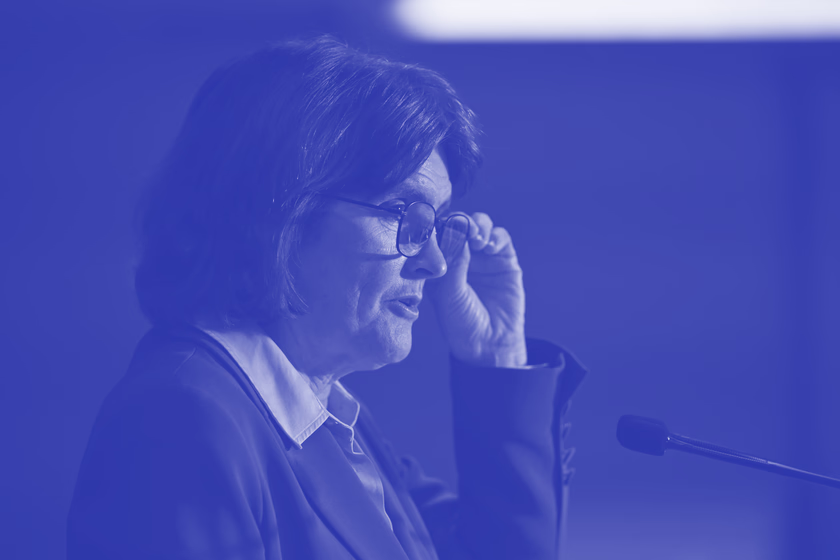
A growing group of economists think the next RBA move will be down. But there is significant uncertainty as US President Donald Trump indicates a deal is close with Iran.

Your complimentary access ends . To keep reading without interruption, subscribe today.
RBA
A growing group of economists think the next RBA move will be down. But there is significant uncertainty as US President Donald Trump indicates a deal is close with Iran.
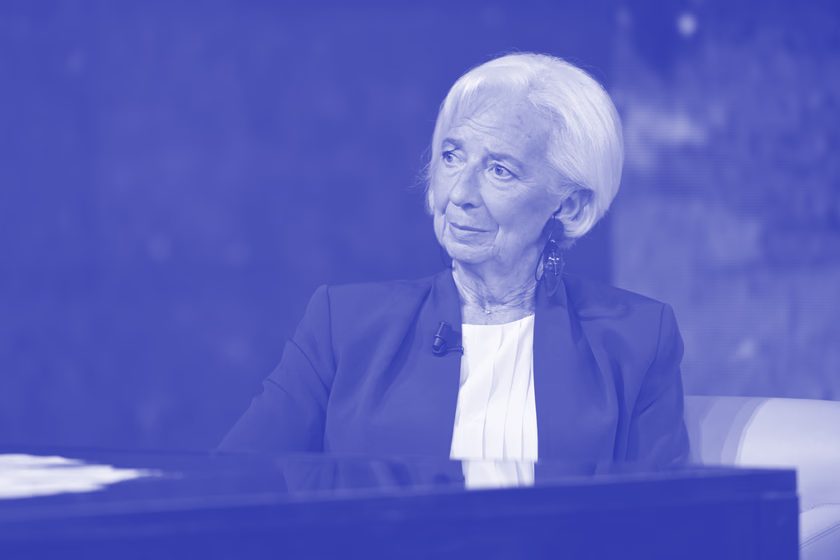
The RBA has another week to contemplate the Middle East crisis as global counterparts make rate decisions.
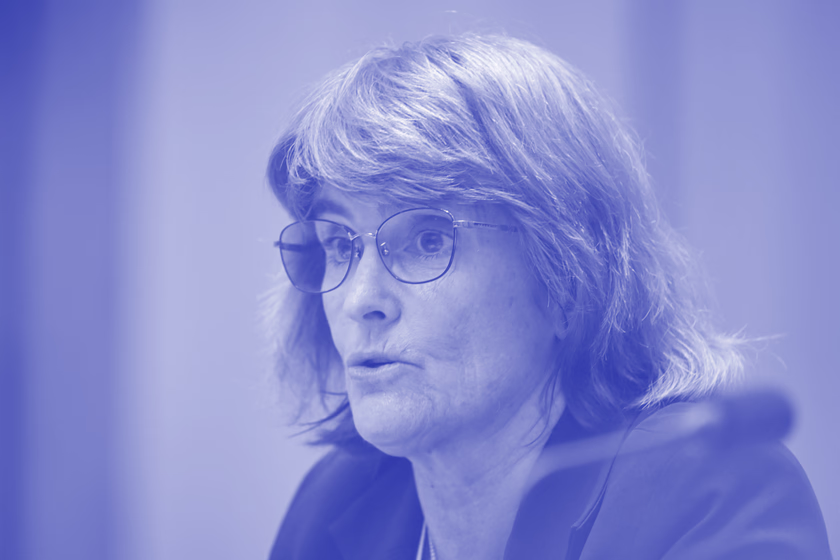
Michele Bullock has all but confirmed the central bank won’t renew a contract with KPMG to supply its whistleblower hotline, and a separate deal for immigration services.
Labor Senator Deb O’Neill has labelled KPMG’s provision of whistleblower hotline services to corporate clients as “an untenable proposition”.
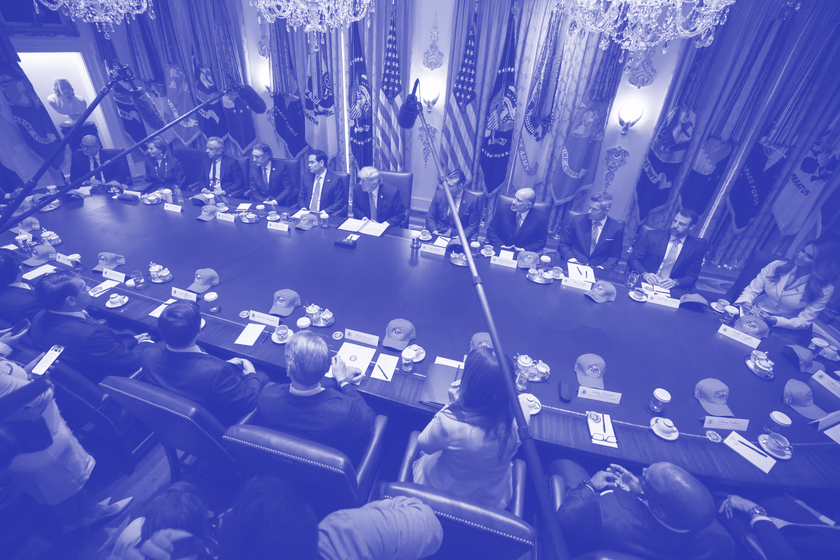
Optimism about the Australian economy has plummeted to record lows leaving top executives increasingly risk averse and preparing for a volatile 12 months.
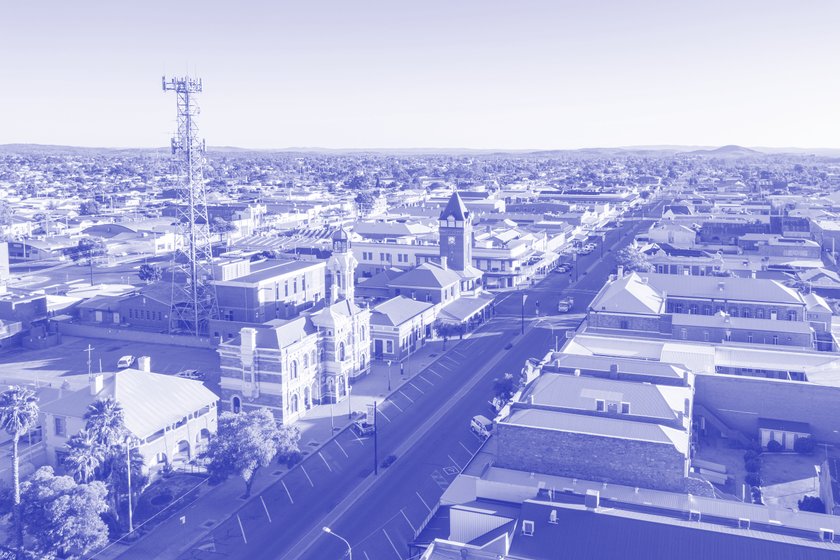
Small rivals fear they will be squeezed out of regional markets by the same big institutions which have abandoned them.
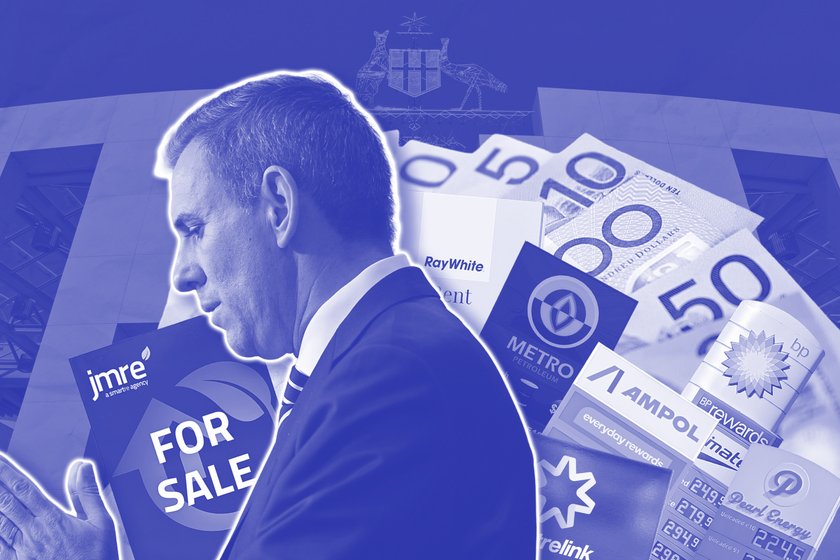
Australia could be staring down the barrel of an inflation shock concerningly similar to that seen post-pandemic.
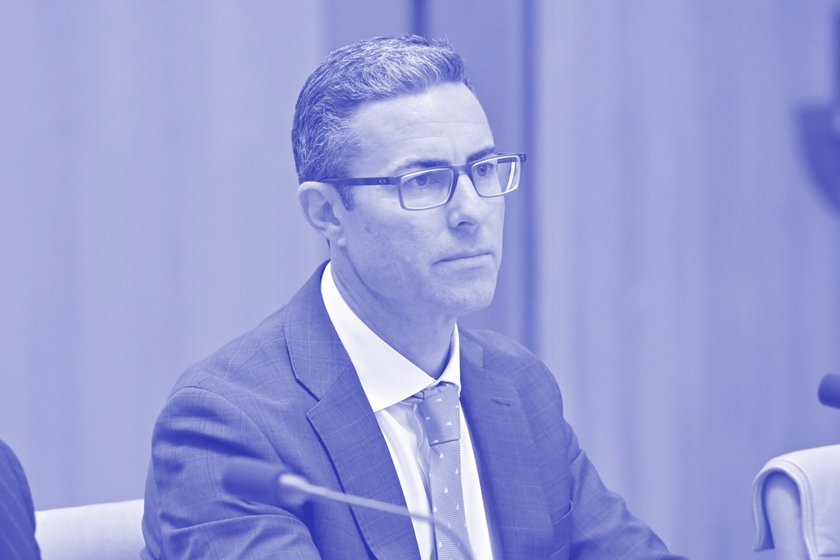
RBA assistant governor Brad Jones told Capital Brief that new consultations and working groups will be convened to facilitate stablecoin innovation. But scaling could take up to 20 years.
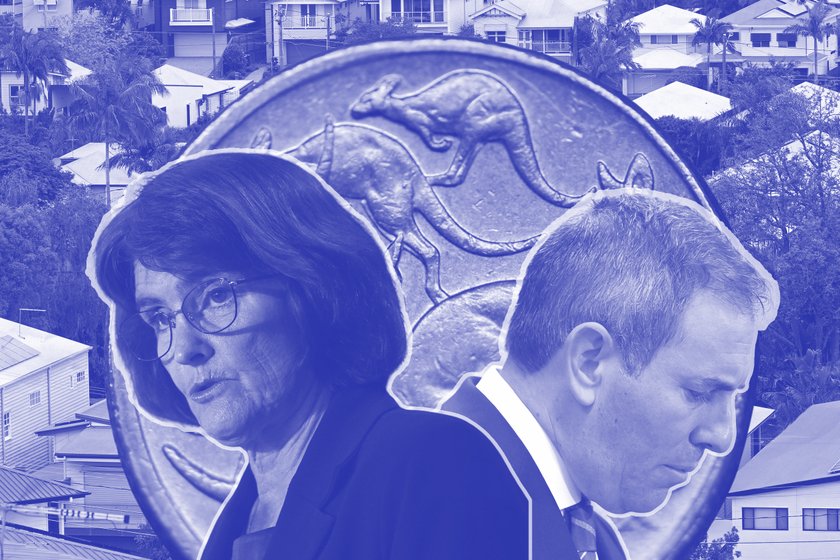
The next move for the central bank is likely to be up. But there’s varying opinions about how the federal budget will change the outlook.

The leadup to the budget is always heavily curated. But the Middle East crisis has thrown a serious spanner in the works for Treasurer Jim Chalmers.
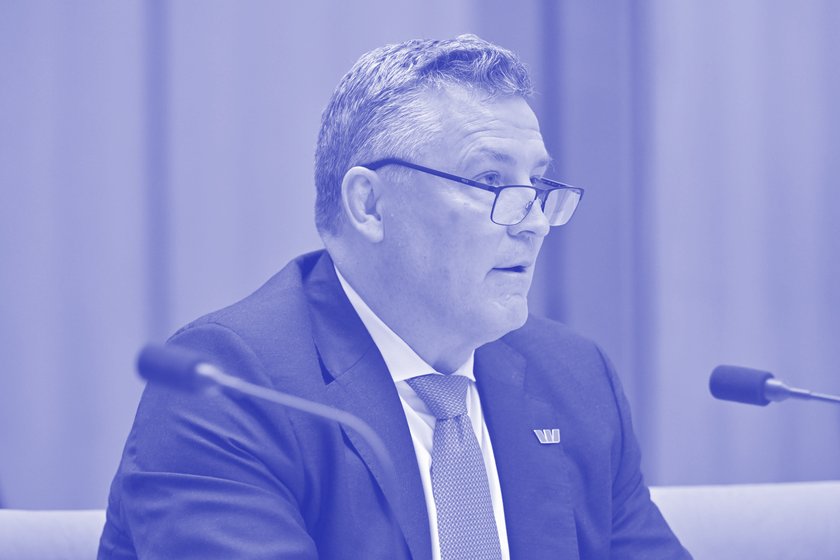
Despite rising loss rates, higher interest rates and potential tax changes, the nation’s second biggest bank is sticking to its strategy of winning the investor segment.
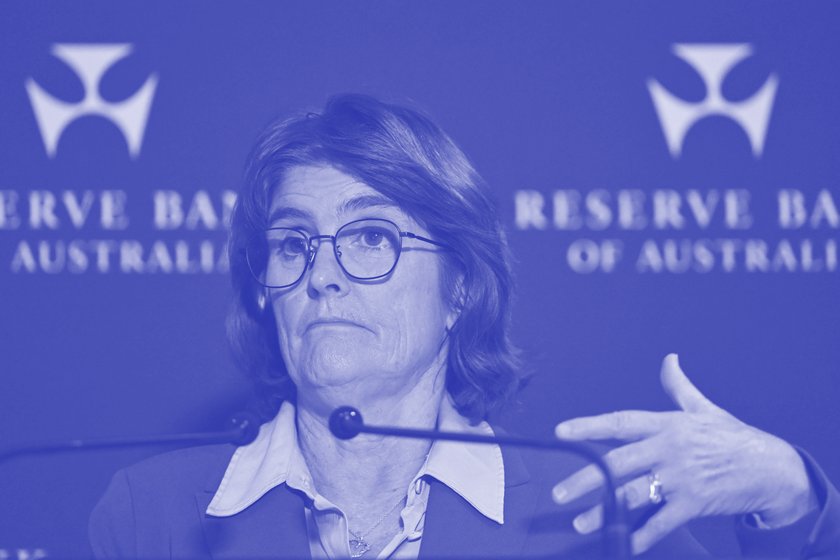
With another rate rise, Michele Bullock is wielding the RBA’s sledgehammer. Now Jim Chalmers must decide whether to reach for the budget scalpel.
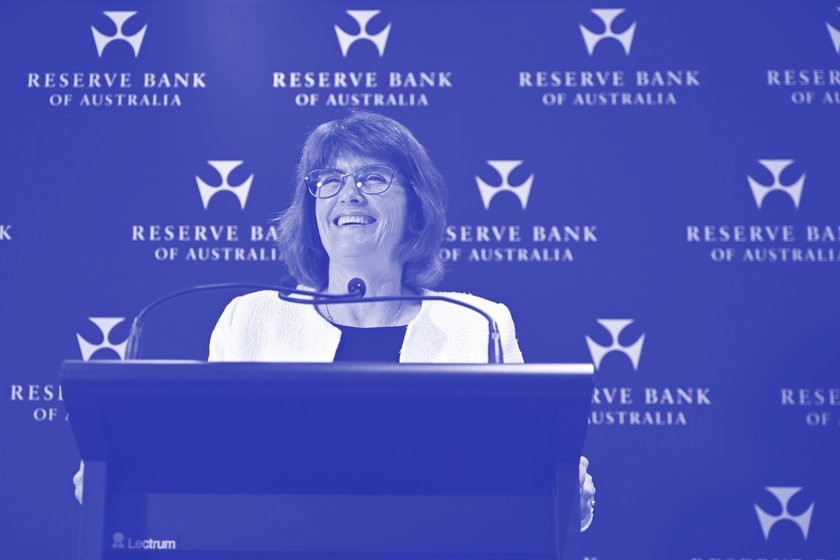
Australians increasingly do not trust their institutions. The Reserve Bank is bucking that trend.
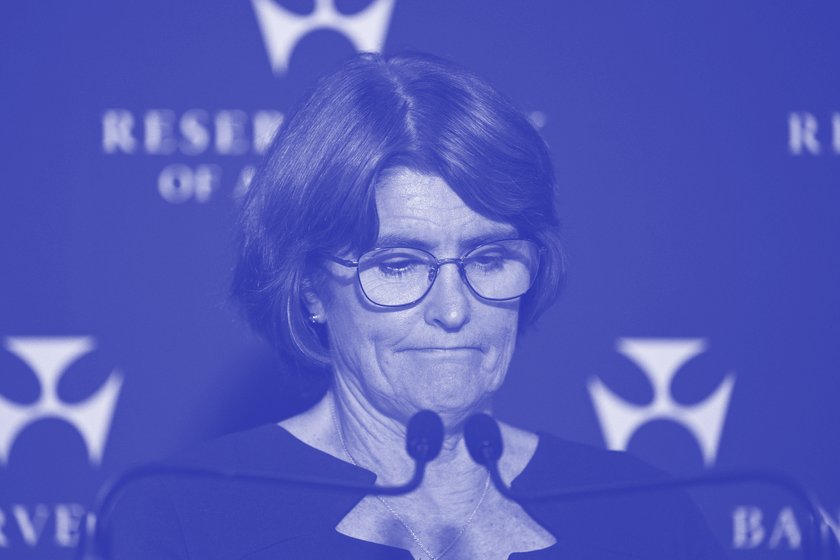
Economists are warning that slowing growth driven by the Middle East conflict could start to outweigh inflation concerns.
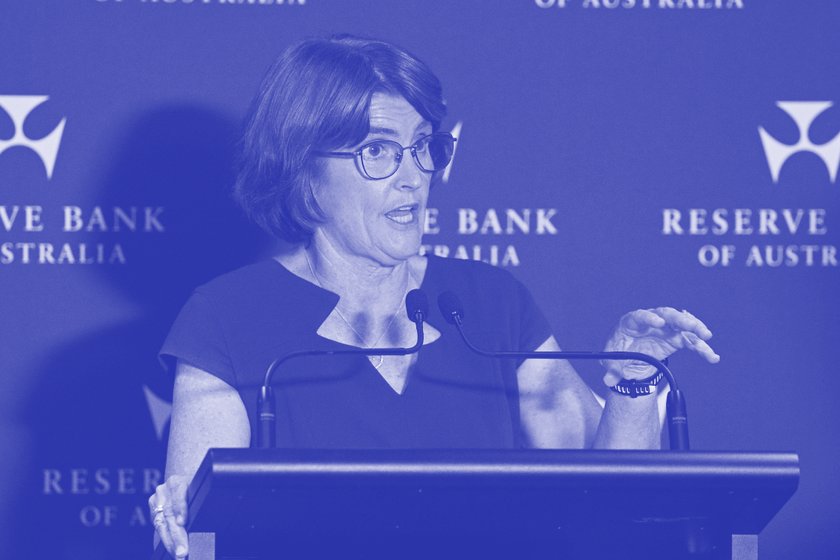
Economists think the Reserve Bank will increase rates in May following surging fuel prices. But as the Middle East conflict drags on, the worst of the inflation effects may be yet to come.
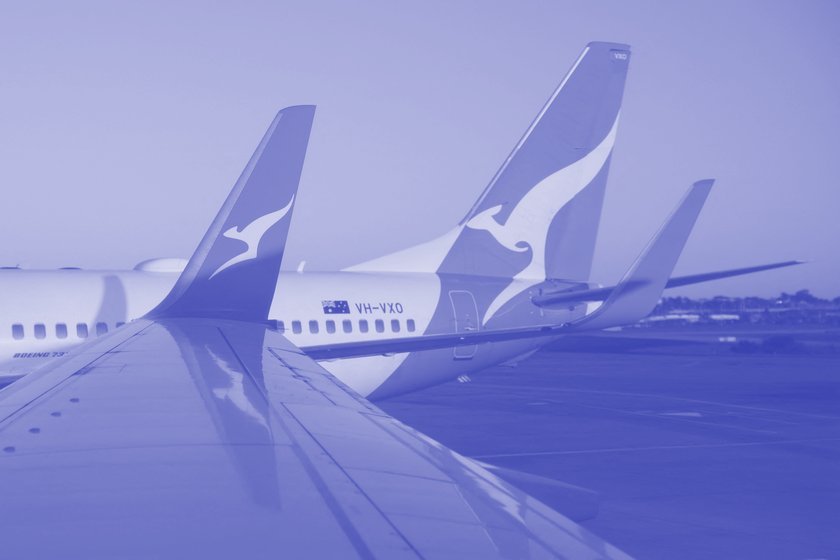
Australia’s most popular airline could face an earnings hit of nearly 2% as a direct result of the Reserve Bank’s overhaul of the way payment fees and surcharges work.
The RBA has moved to kill surcharges and cut card fees, but its payments overhaul has kicked off a fresh fight over who ultimately wears the cost.

RBA assistant governor Brad Jones says banks have been slow to embrace tokenised deposits. But some argue that delay could yet work in their favour.
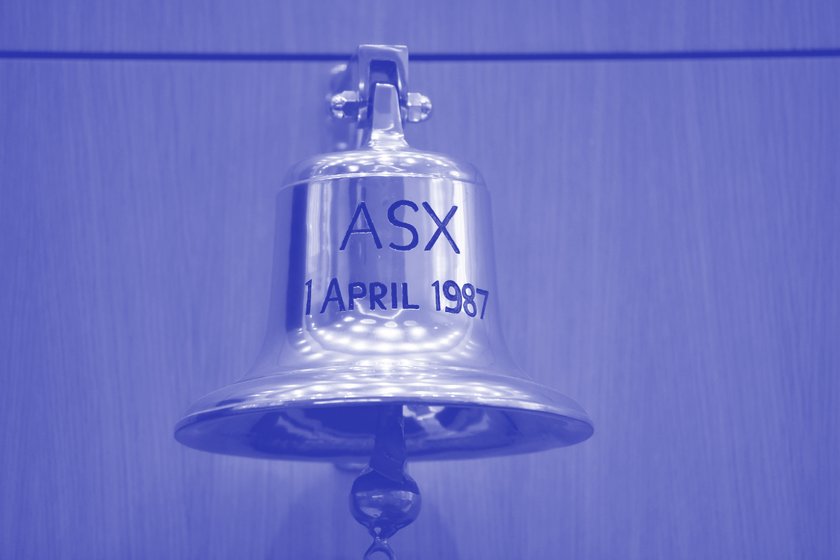
The company expected to conduct the next big IPO on the ASX says it can survive no matter what the RBA decides on payments next week, as scepticism swirls over its mooted valuation.

Your email address will be stored in accordance with our privacy policy.