Fears are building that US chip controls on China are failing
Huawei's new smartphone reveals major technological strides despite US impediments.


The Biden administration’s move last October to cripple China’s ability to procure and produce cutting-edge semiconductors, has been variously described as tantamount to an act of war and every bit as historically momentous as Russia’s invasion of Ukraine.
The rationale behind the advanced technology export controls was, ostensibly, to prevent US technology from helping Beijing in its efforts to develop world-leading supercomputing and artificial intelligence capabilities and use them for military applications. Nearly a year later, the question is whether those curbs are working.
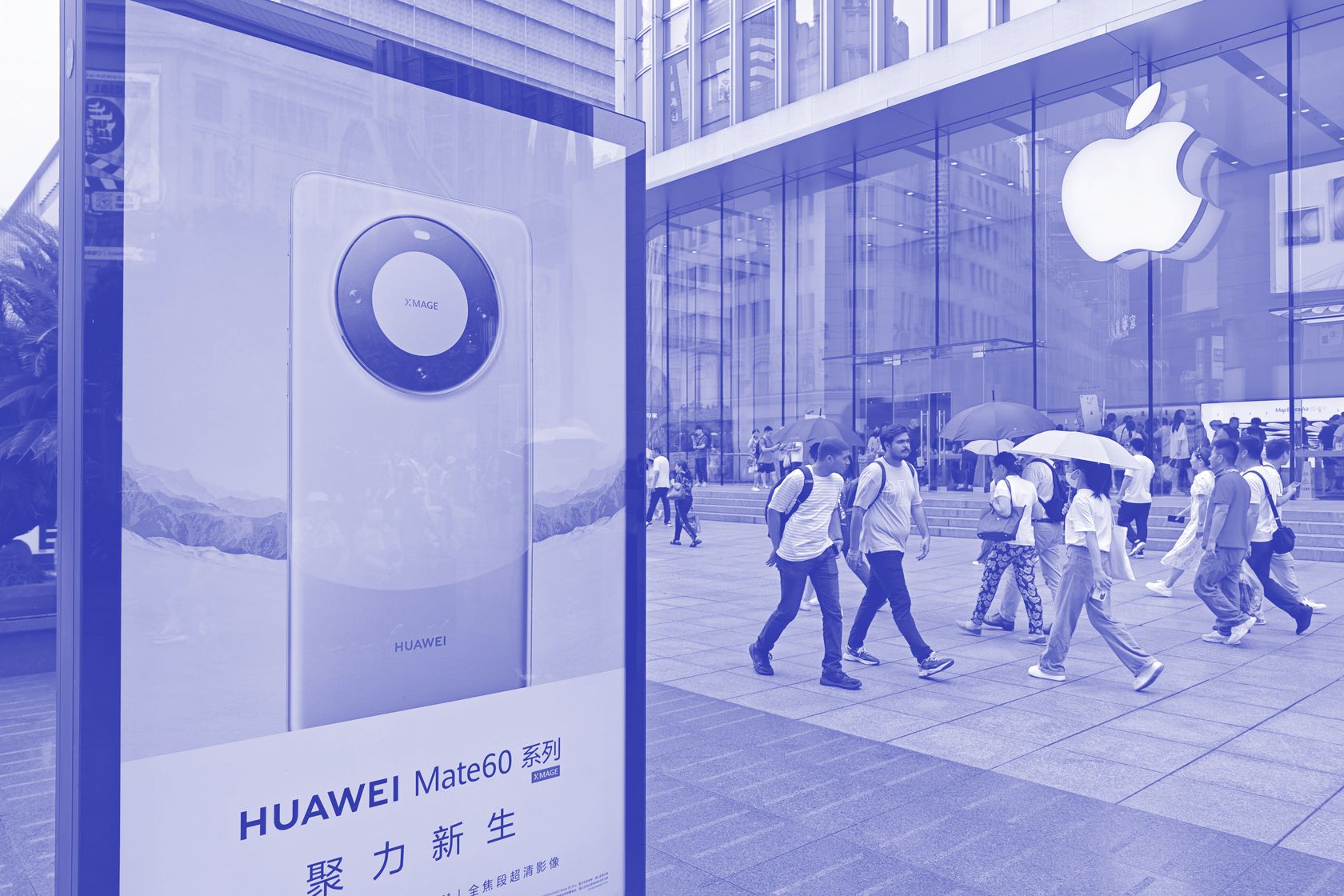
Late last month, Huawei quietly launched its new smartphone online, the Mate 60 Pro, which is powered by a new 7-nanometre advanced Kirin 9000s chip fabricated in China by top chipmaker Semiconductor Manufacturing International Corporation (SMIC).
Some US lawmakers, calling for tighter curbs, have suggested that SMIC may have violated sanctions by supplying Huawei with the 7nm chips.
