
China will be hoping its announcement of a major package to support the struggling housing sector marks the beginning of the end of its property crisis. But is it big enough?


Associate editor, business and geopolitics
Philip joined Capital Brief after more than a decade as a foreign correspondent in China and India for The Wall Street Journal, Reuters and The Age and The Sydney Morning Herald. He has won the Don Bolles Medal and received four commendations from the Society of Publishers in Asia.
China will be hoping its announcement of a major package to support the struggling housing sector marks the beginning of the end of its property crisis. But is it big enough?

With its $120 million settlement with Qantas, Gina Cass-Gottlieb's ACCC has avoided a drawn out lawsuit, secured a payout for consumers and, she says, set a new industry standard for flight cancellations.

Both Qantas and Optus are trying to rebuild their brands and trust with customers after a tough year, and new leadership is a key part of both companies' strategies.
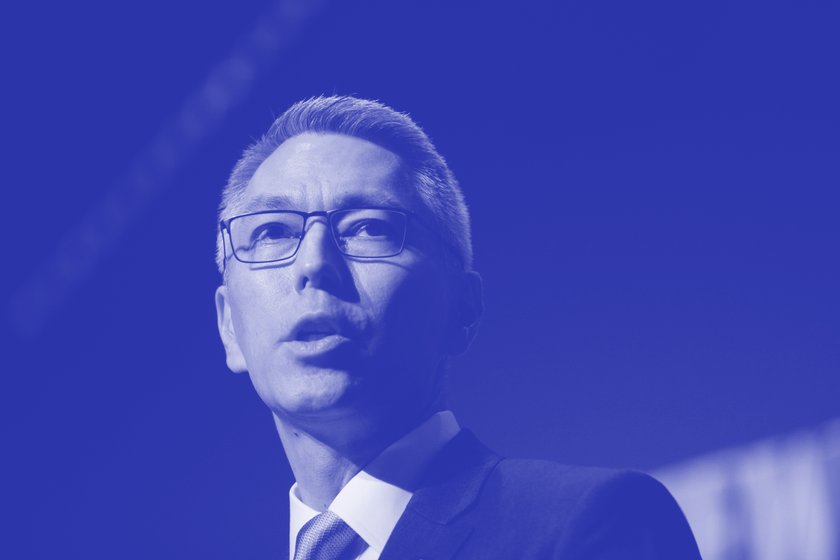
BHP CEO Mike Henry's push to diversify the mining giant via a $60 billion bid for Anglo American could be a career-defining moment — if he can avoid the fate of his predecessors.
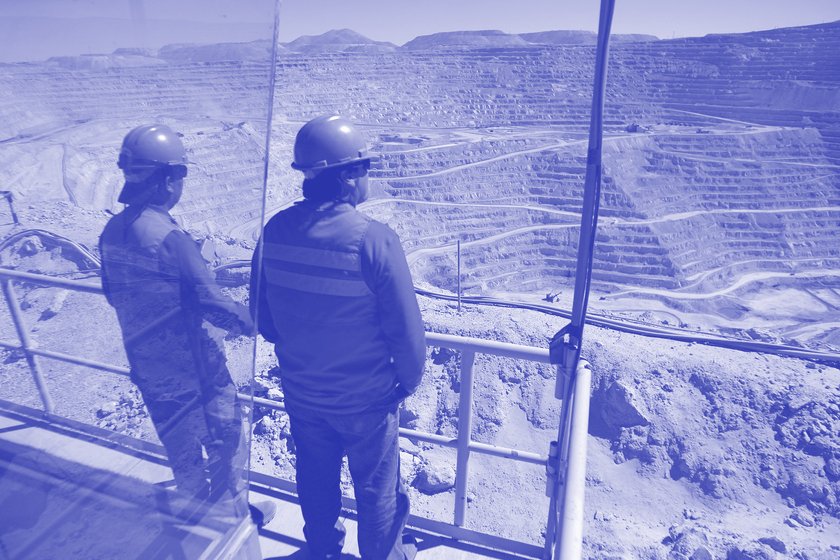
Anglo American has rejected BHP's initial approach, but this saga is far from over. The target's board is not the only roadblock to a deal, with ESG concerns another key factor.

While the full details of Israel's strike on Iran today remain unclear, it adds yet another layer of uncertainty for already volatile markets.
The tech giant's investment in Abu Dhabi-based G42 is the clearest model yet of how the US might leverage its prodigious lead in AI technology for political and strategic gains over China.

There was little market reaction today to Iran's weekend attack on Israel. That could change quickly if a counterattack escalates tensions further.
Does TikTok pose a genuine national security threat that justifies US moves to ban or force a sale of the app and overrides freedom of speech concerns?
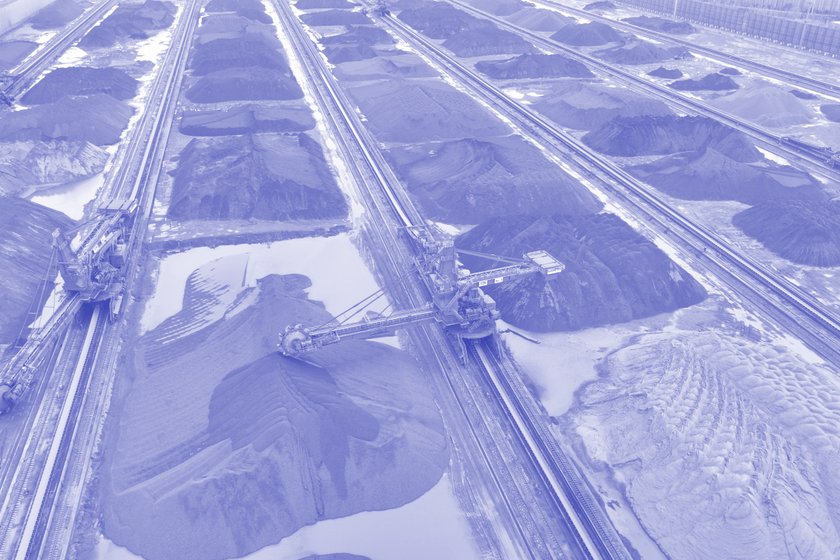
Despite all the gloom around China's slowing economy, iron ore prices had been holding up well. Is the bad news finally catching up?
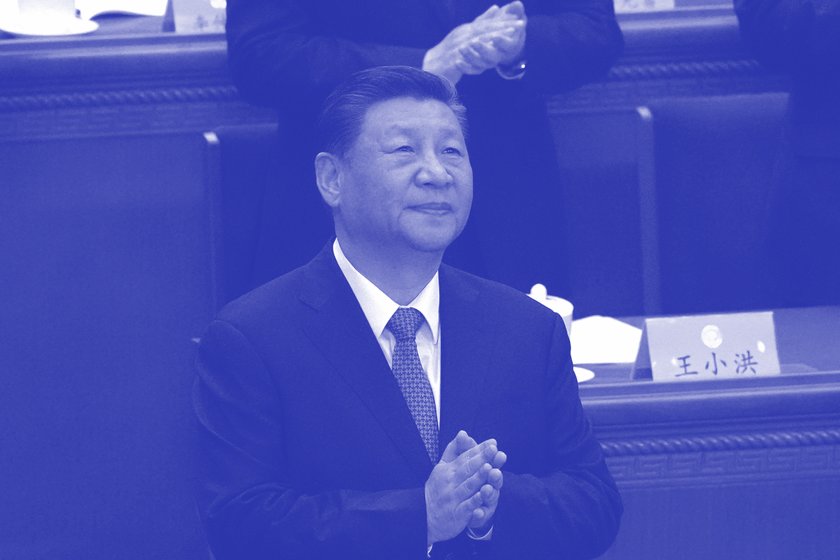
Beijing is coming to grips with slower Chinese growth, and the rest of the world has to as well.

Block's $39 billion Afterpay acquisition, the most expensive in Australian corporate history, is a cautionary tale for anyone looking to make deals in the latest tech hype cycle.

The federal government has ramped up defence spending to more than double the navy's surface combatant fleet, in an acknowledgement Australia faces the "most challenging strategic circumstances since the Second World War".
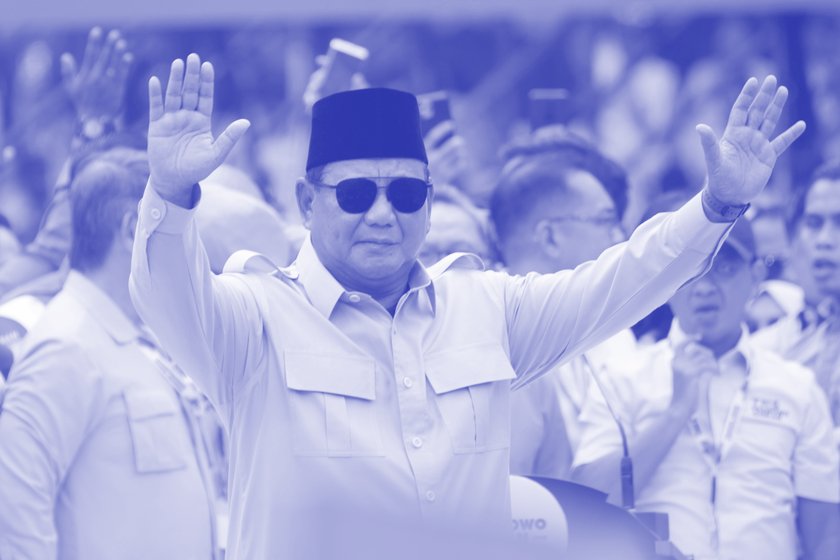
As Indonesia's economy grows, so too do Australia's incentives to build closer ties with its neighbour.
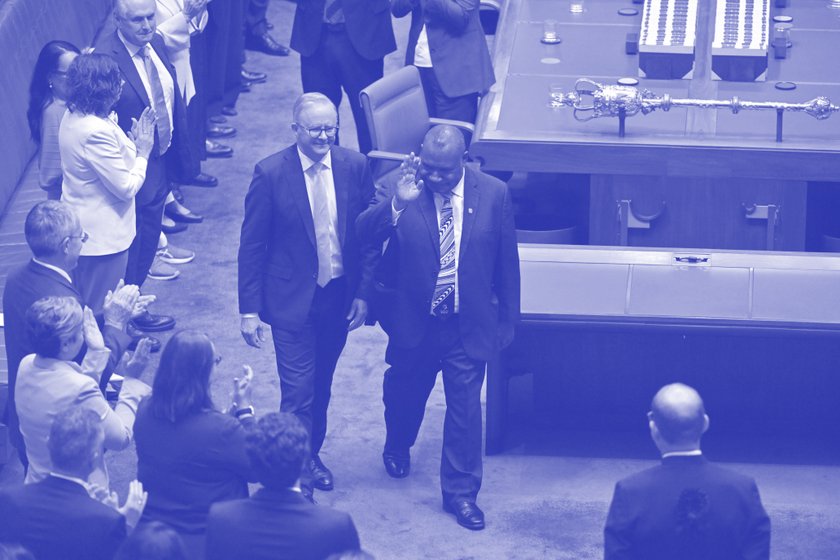
After decades of complacency and at times outright condescension, Australia is finally taking its Pacific Island neighbours seriously.

China's decision to impose a suspended death sentence on an Australian writer underscores the uneasy truce between Canberra and Beijing as both governments try to stabilise.

As the country's economic problems grow, so does the doom and gloom among investors in its shrinking stock markets.

The crash in prices for metals that are crucial to the energy transition is testing the fortitude of Australian miners.
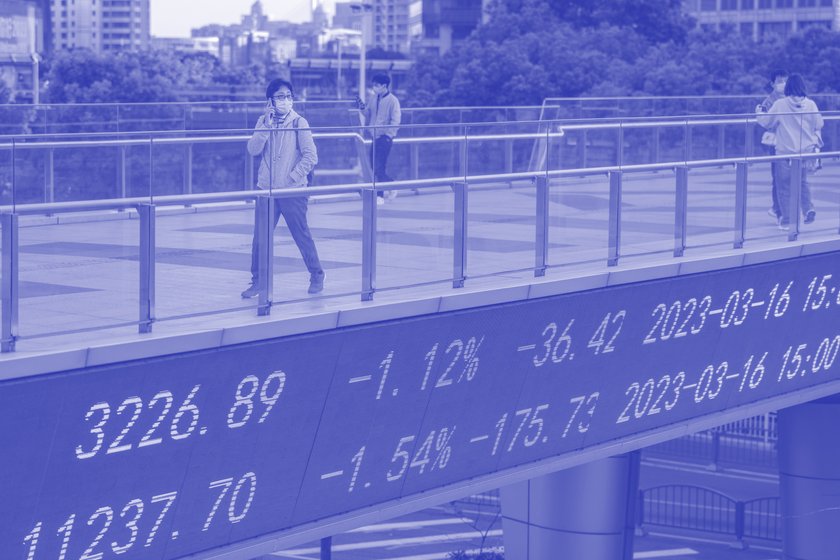
Chinese stocks keep falling, despite a push by Beijing to talk up the world's second largest economy at Davos. Is this a signal of trouble ahead, or a buying opportunity?

China has expressed displeasure over Taiwan's presidential vote and reiterated its view that 'reunification' is inevitable. That doesn't mean near-term military conflict is now more likely.

The attacks on Red Sea shipping, which have now triggered a US-led response, could deliver a blow to the global economy — and Australia — at a delicate time.

Technological tensions between the US and China are rising — and Australia is caught in the middle.

While unlikely to garner as much attention as next year's US election, Taiwan's presidential poll promises to be no less dramatic and could escalate tensions in the region.
As the tech world remains fixated on the rollercoaster ride that is the OpenAI saga, it's worth remembering that there's a lot more at stake than just the careers of charismatic individuals.
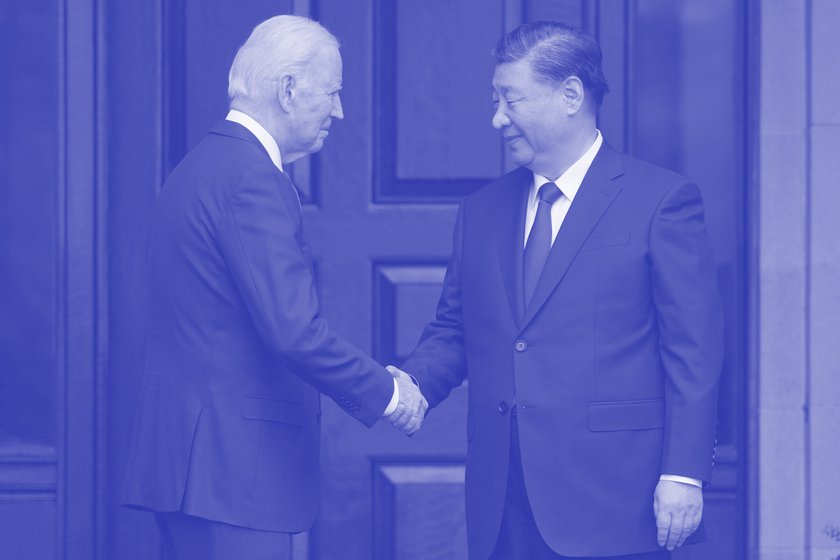
Talks between Joe Biden and Xi Jinping are a sign of smoother relations between the world's biggest economies. But two upcoming presidential elections threaten to shatter the calm.
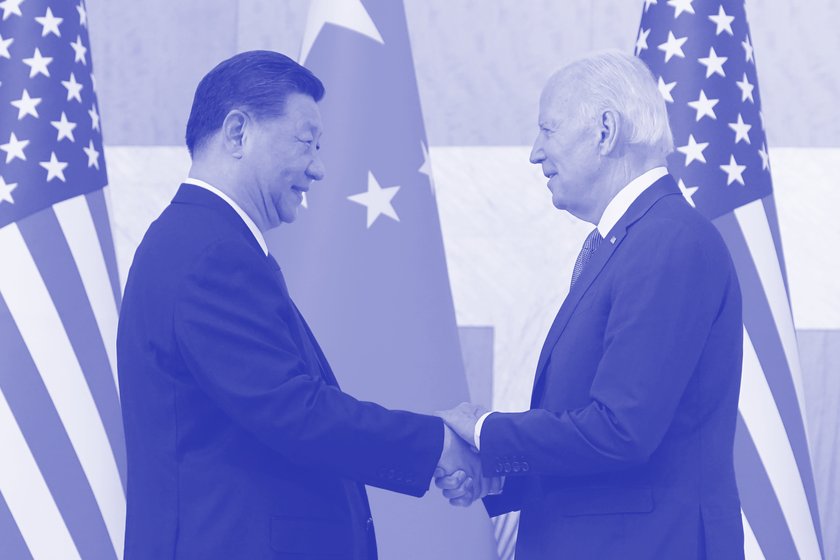
Xi Jinping and Joe Biden are preparing to meet for the first time in a year, during which the fortunes of the Chinese and US economies have diverged.
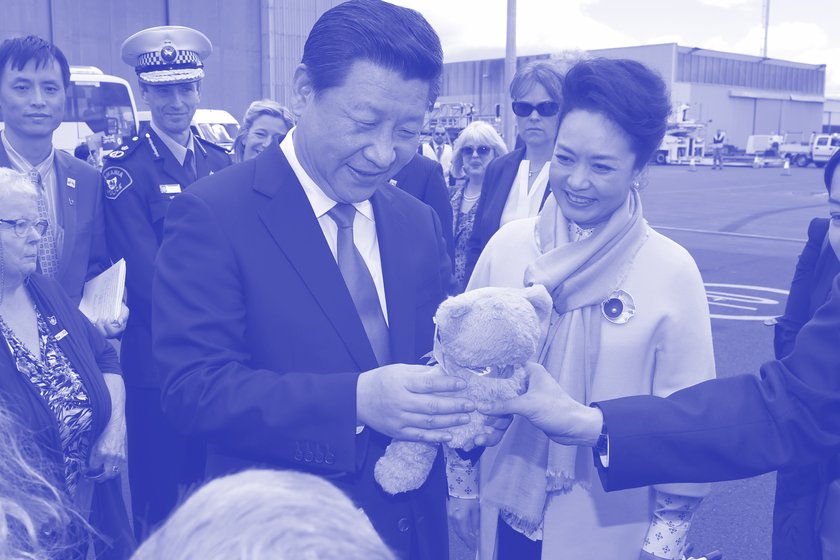
The turbulent relationship has calmed ahead of Anthony Albanese's highly symbolic visit to Beijing, but there are limits to that stabilisation.

Yang Hengjun's detention remains a sticking point in bilateral ties ahead of Anthony Albanese's landmark visit to China.

Close encounters between the Philippines and China in contested waters portent another unwelcome theatre of escalating tensions.
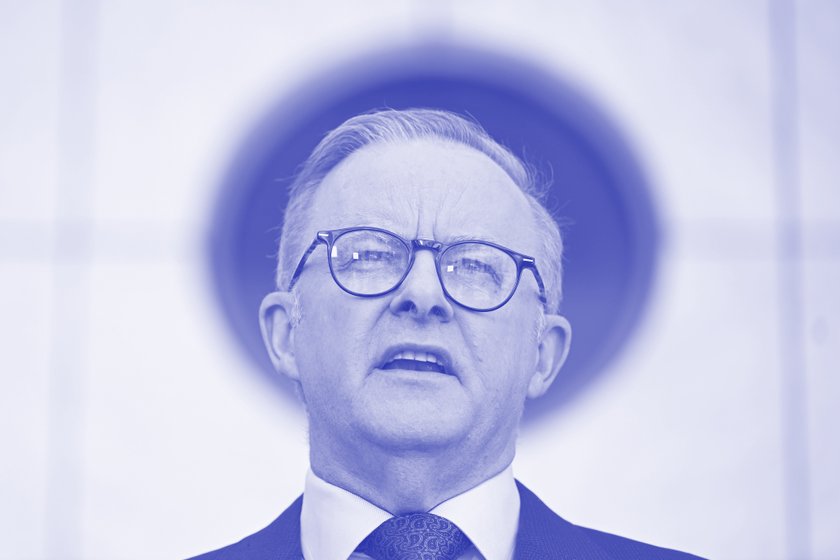
The prime minister's diplomatic skills will be severely tested when he meets with the world's two most powerful leaders on their home turf.
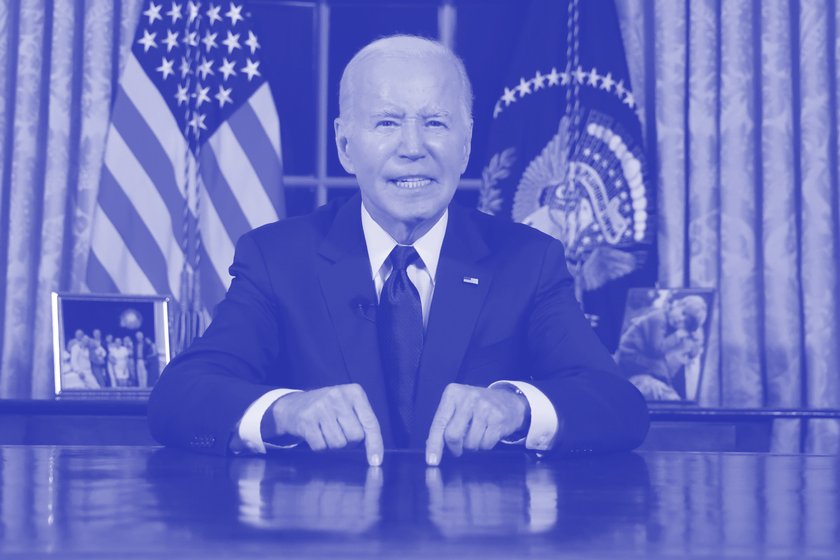
The US President warned the world is at an historic inflection point. And he is seeking to navigate a gridlocked Congress by tying the two threats together.
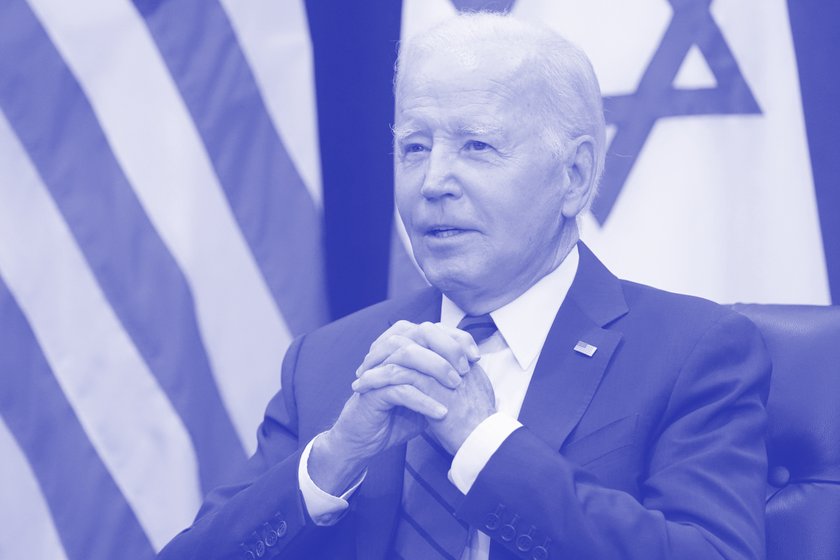
As the Israel-Hamas War escalates, Joe Biden is set to visit Israel on the same day Vladimir Putin is expected to meet Xi Jinping in Beijing.

The Australian journalist’s hard-won freedom was achieved through adroit diplomacy and a Chinese leadership eager to stabilise relations.
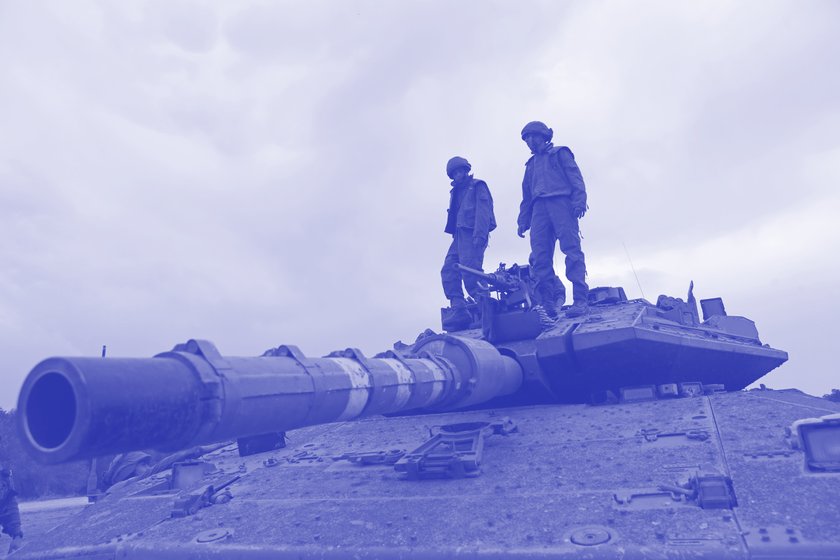
There's little hope of de-escalation after Hamas' devastating assault on Israel.

The shocking attack on Israel threatens escalating military retaliation with consequences reverberating far beyond the Middle East.
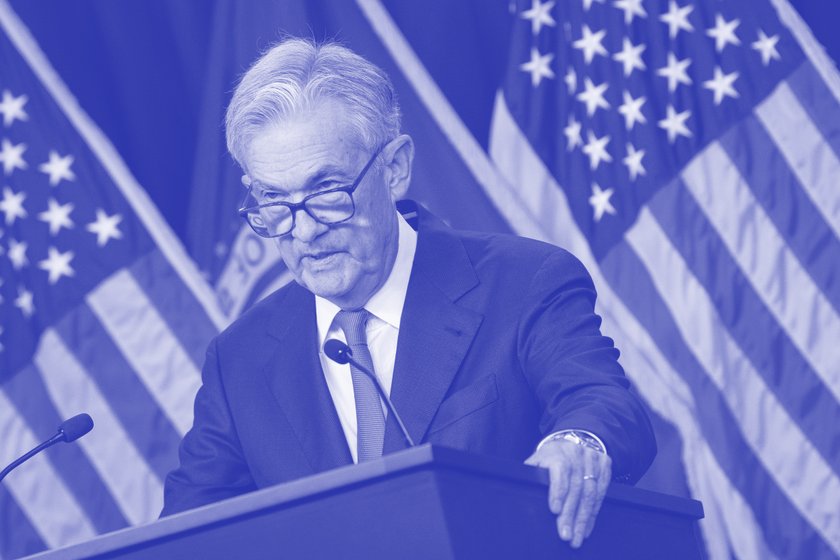
Markets are realising that rate cuts aren't coming anytime soon and the narrow path to a soft landing may be getting even narrower.
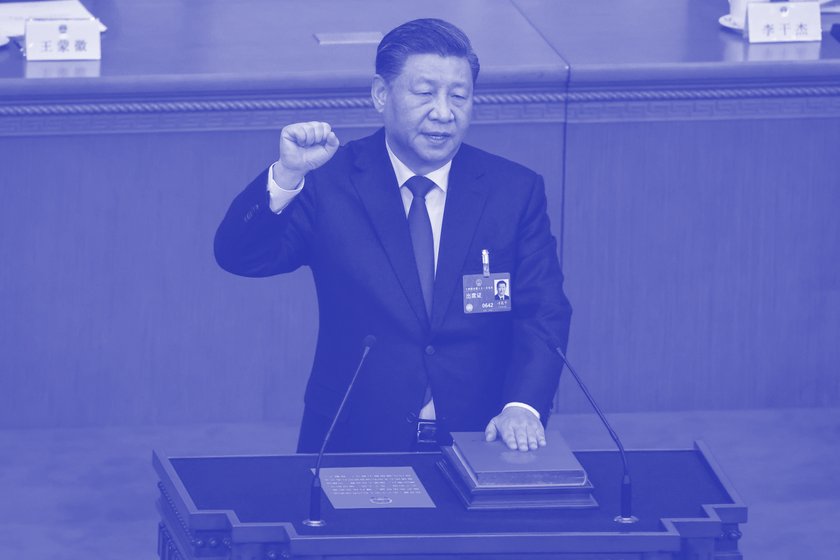
High-profile disappearances and purges among China's political and military elite have got tongues wagging.

Your email address will be stored in accordance with our privacy policy.