One Nation is expanding the base, but challenges lie ahead
The latest Capital Brief/DemosAU poll shows One Nation drawing younger voters, but turning protest into power demands policy depth and compromise.


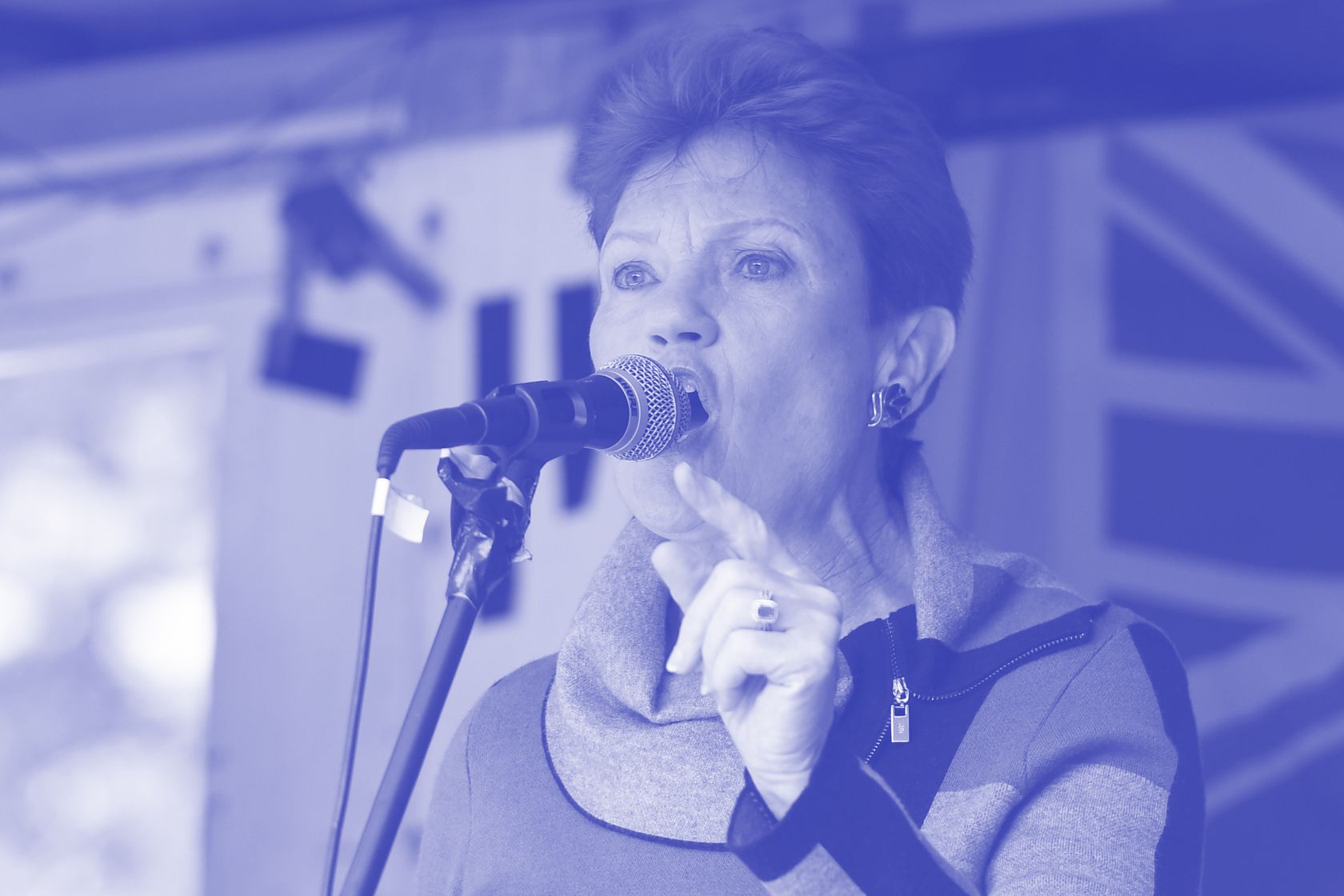
Up until now, the shift to One Nation has largely been driven by conservative voters drawn to Pauline Hanson’s firm anti-immigration stance. For many older voters, Hanson is also the last major conservative figure from the Howard era still standing in federal politics.
But this is changing.
The party’s meteoric rise continued this week, scoring 28% — just 1% behind Labor — on primary vote in our latest Capital Brief/DemosAU federal poll. This 4% gain has propelled the party to a new high. The latest increase has come from a new cohort of voters aged 18–54 and has come from every party except the Coalition.
Our poll showed 21% of voters aged 18–34 said they would vote for One Nation — an 8% jump since our January poll. A slightly smaller lift of 6% was also recorded among voters aged 35–54.
What does this mean? One Nation’s base is expanding beyond voters whose primary motivation is backing the strongest conservative voice. Hanson’s appeal is broadening as more younger voters see her as the best vehicle to challenge the status quo.
