Paying later: The inside story of Afterpay’s inevitable decline
Afterpay, one of Australia’s most recognisable startups, made history when it sold for $39 billion. Two years later and amid major upheaval at parent Block, insiders say its future is in doubt.


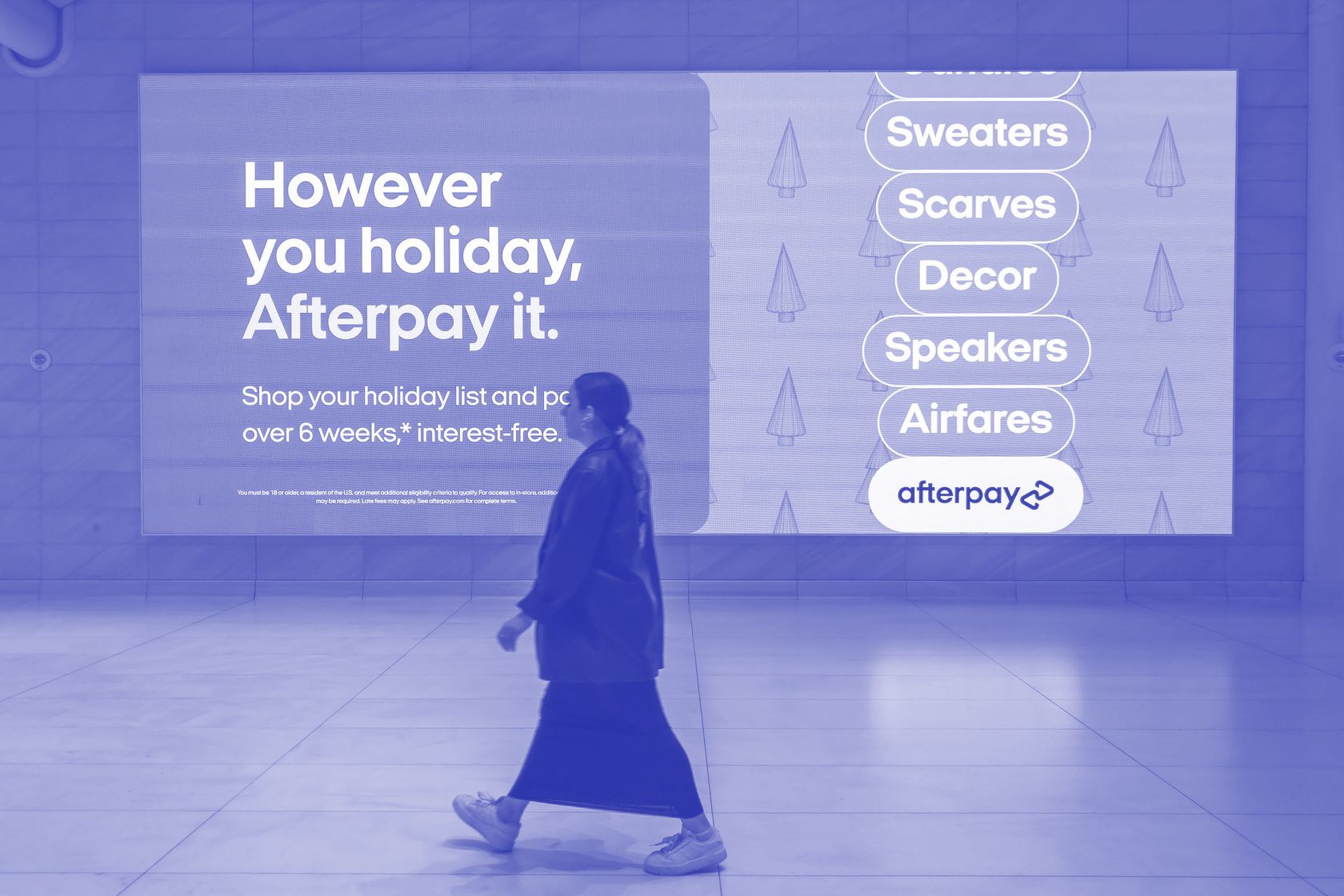
From the moment founders Nick Molnar and Anthony Eisen serendipitously met as neighbours putting out the bins in Sydney’s Rose Bay, the story of Afterpay would become one of exhilarating growth and unthinkable success.
The offer of easy and interest-free credit resonated with a customer base that found instant gratification via their smartphone impossible to resist. Afterpay stickers appeared at checkouts across the country, as it quickly became a byword for the burgeoning buy now, pay later sector. Kim Kardashian urged her 180 million followers to use Afterpay during Black Friday sales across her branded stores. Formula One driver Daniel Ricciardo signed as a brand ambassador. And in a widely-run ad campaign, comedian Rebel Wilson spruiked Afterpay as though “credit cards and cash had a baby”.
Fuelled by a pandemic spending spree and heady tech valuations, Afterpay’s share price ripped from $8 in March 2020 to almost $160 in February 2021, valuing the seven-year-old company at $35 billion, despite having never turned a profit. Then along came Jack Dorsey and Block. The San Francisco-based fintech conglomerate, then known as Square, moved in with a $39 billion takeover offer, catalysing the largest acquisition in Australian corporate history.
Just two years later, things have started to unravel. The end of cheap credit has sparked a reckoning across the buy now, pay later sector, calling into question the sustainability of the entire strategic model underpinning it. Block, itself not immune to a wave of cost-cutting layoffs sweeping the Silicon Valley, let go more than 1,000 staff last month – many of those from Afterpay.
