
A small group of Australian startup founders and executives have been granted access to Stripe Treasury ahead of a wider launch.

A small group of Australian startup founders and executives have been granted access to Stripe Treasury ahead of a wider launch.

The data centre boom is well and truly on its way to Australia. Whether it helps local startups build globally competitive AI companies is a different question.

The Melbourne HR tech company is restructuring under new CEO Caroline Rawlinson.
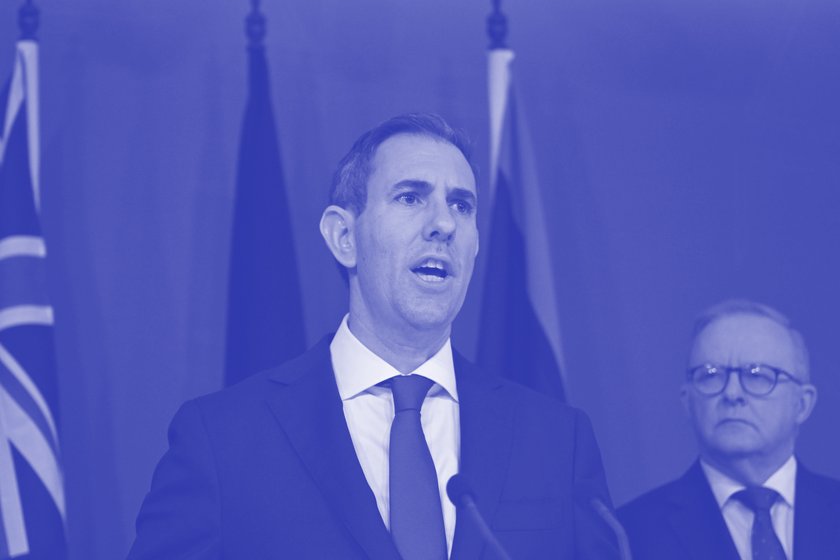
The government’s startup CGT concession is a win, but the fine print could catch out some of the people it will designed to help — and create some admin nightmares.
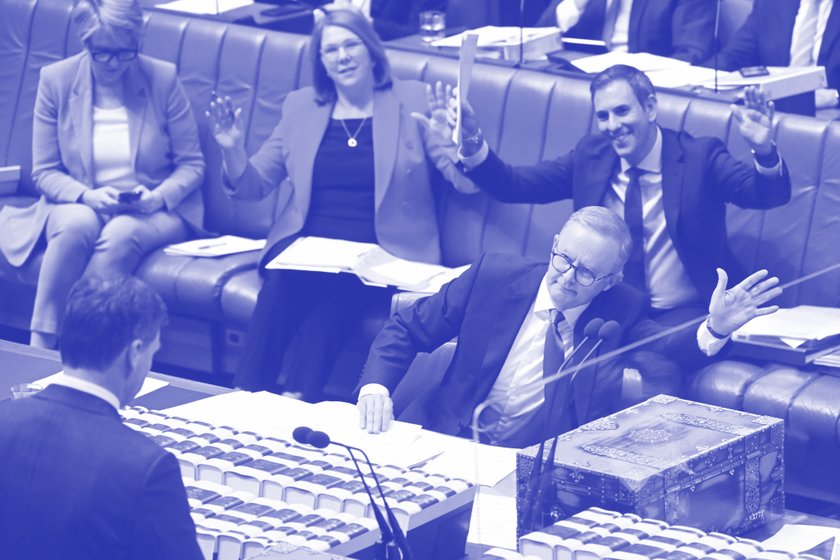
In securing passage for his first tranche of budget legislation this week, Anthony Albanese has created a new political headache for the Coalition.

Pauline Hanson’s address to the National Press Club was red meat for her base. But it also laid a few landmines on the road to 2028.

After a decade of watching the same statistic quoted — and the same interventions fail to shift it — Noga Edelstein decided the problem wasn’t the women. It was that nobody could see the system producing the gender funding gap.
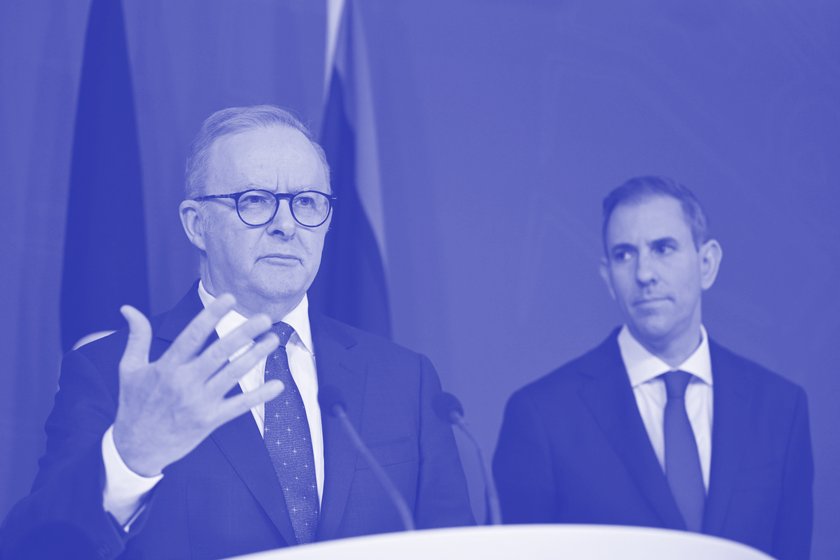
The startup sector got its capital gains tax win today, but big questions over eligibility, secondaries and holding periods are far from settled.

We have become a global exporter of ideas and technology. Now we need to fund the conditions that make more outliers possible.

Two reports released Thursday chart a decade of world-beating venture growth — and the funding gap that grew with it.

Canva’s rise has been built on conviction and control. AI and public markets may now force it to tell a more complex story.
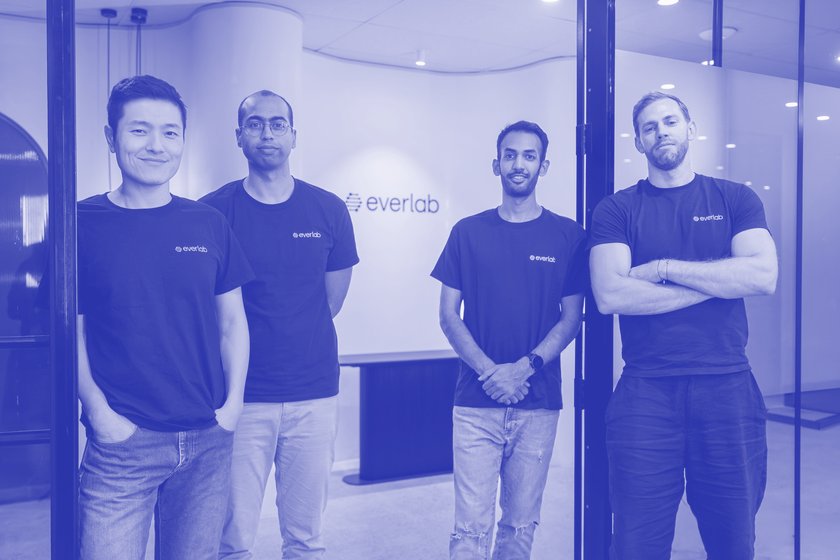
The Melbourne startup says it has processed 21 million biomarker results and is now taking its AI-powered preventative care platform to the UK.

Labor’s 1942 centralisation of income tax stripped the states of their fiscal sovereignty. As it courts Australian startups and businesses, New Zealand is exploiting the vacuum.

Treasurer Jim Chalmers isn’t backing down over his sweeping tax reforms, which are aimed at solving the housing affordability crisis but have upset the business community.

The government aims to have rammed through the key elements of its budget by the end of the month, despite concern in the startup sector.

WIth $24 billion in economic gains up for grabs, it is less a question of whether banks will embrace tokenisation but whether they will try to keep fintechs out.
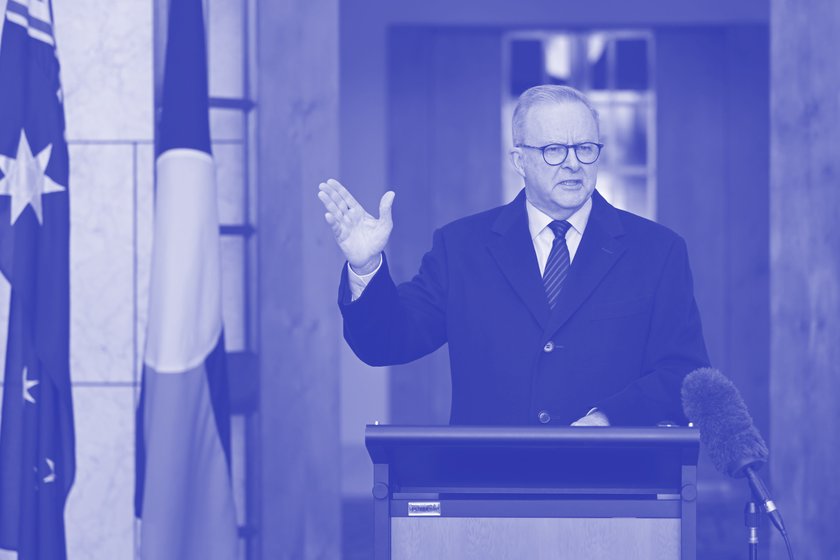
Anthony Albanese wants the CGT fight over and done with in less than a fortnight. But unless there’s careful consideration of business, and significant carve outs, the blows will keep coming.

A year ago they bemoaned AI wrappers. Now Australia’s three biggest VCs are betting on the workflows AI can kill, the work it can sell outright, and the machines it can finally set loose in the physical world.

While the budget expanded tax incentives for venture capital funds, the concession built for Australia’s angel investors was left untouched for a tenth year. Now angels are pressing for a fix.
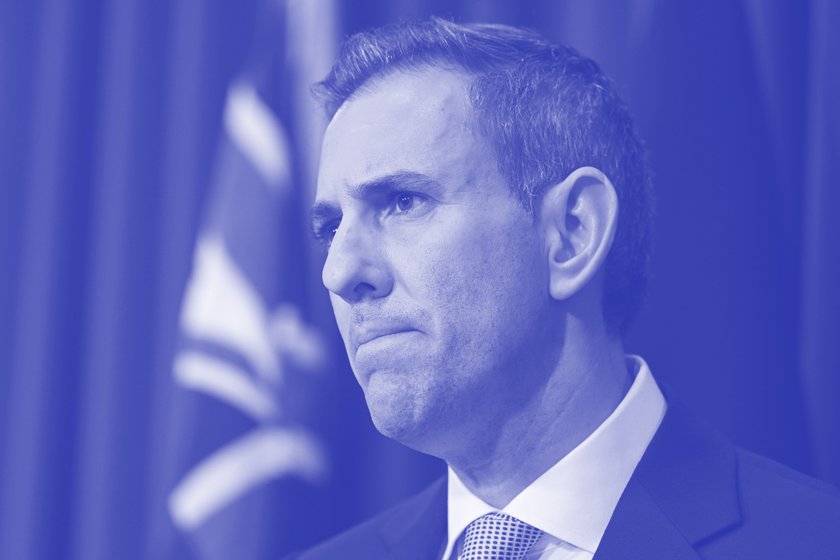
The startup sector is cautiously hopeful of a CGT carveout, but first it has to navigate a rapid-fire Senate inquiry and Canberra’s consultation queue.

From exhibition halls to data centres, August Robotics is betting its robot platform can drill into the infrastructure boom. It’s latest backers agree.

The $100 billion fintech’s ambitions go far beyond competing with Airwallex and Wise as it tries to become one of the world’s biggest business banks.

The CGT fight still faces a rocky road in parliament, but the startup sector says the impact is already here as talent pulls out and founders look offshore.

Dom Reardon thinks batteries can finally deliver small businesses the cheap power they miss out on.
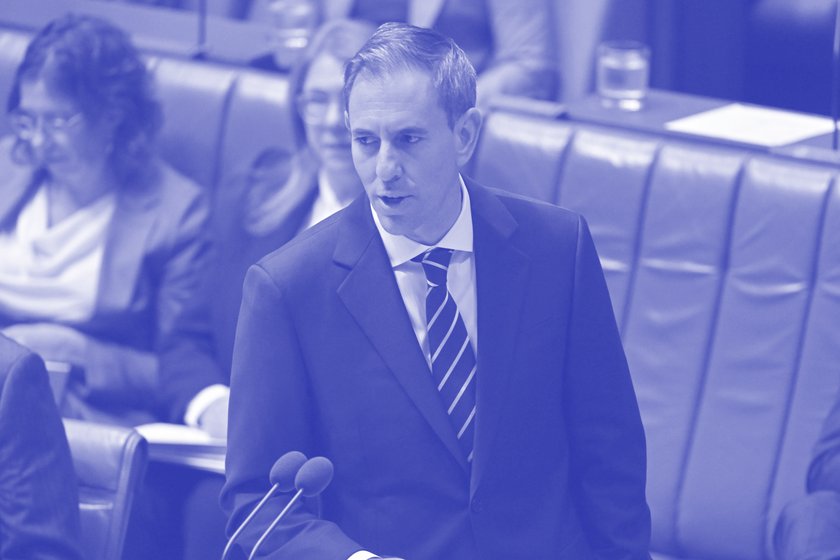
Instead of treating tax reform as the only thing worth talking about, we should focus on why our enormous savings pool isn’t flowing to great founders.

Australia’s digital health sector is growing fast — but the companies building the next generation of regulated medical technologies say they are being cut off from the capital they need to survive.

Gilmour Space, Myriota and Quantum Brilliance are among the startups calling on the government to carve out priority industries from unexpected funding cuts detailed in the budget.

Your email address will be stored in accordance with our privacy policy.