QR codes add momentum to real-time payments
QR code payments dominate in China, India and other emerging economies. Now they've arrived in Australia, but widespread adoption faces major hurdles.


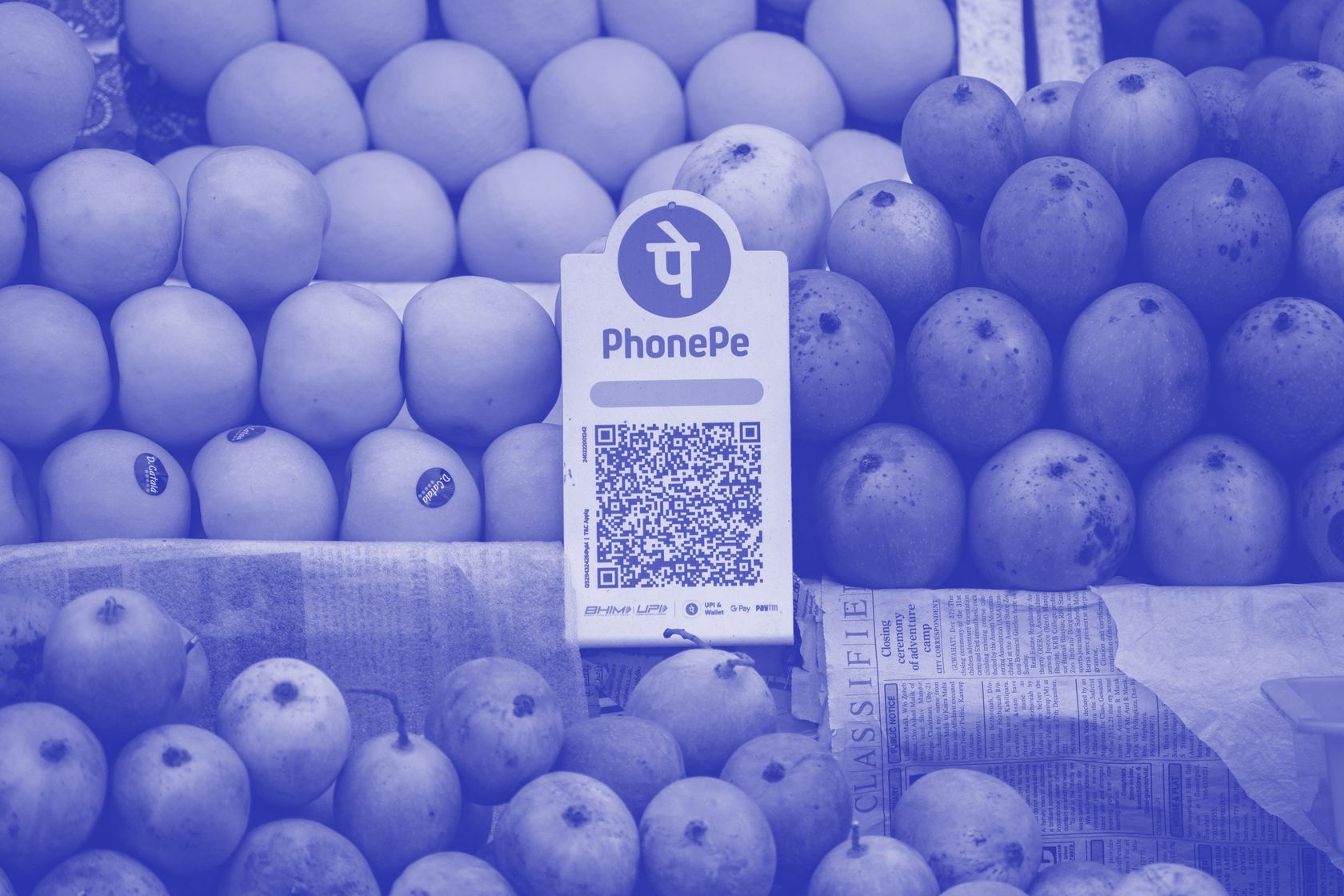
QR codes, based on a three-decade-old Japanese technology originally designed to manage auto parts, have become one of the most widely used payment systems globally — largely due to their popularity in India, China and other emerging economies.
Now, QR codes are emerging as a payment option in Australia, piggybacking on their growing use for stock management and consumer information, and enabled by the NPP real-time payments platform. But major payments players don’t expect the same adoption here.
“There will be QR card payments in Australia but they will be in the minority — because that investment in terminals and other expensive infrastructure has already been made. Those terminals can be adapted for QR,” said Thomas Warsop, CEO of global payments giant ACI Worldwide.
The key reason, according to ACI, is that QR code payments gained traction in developing markets where traditional payments infrastructure, such as terminal networks and contactless systems, didn’t exist, and the vast majority of merchants were small and relied on cash.
