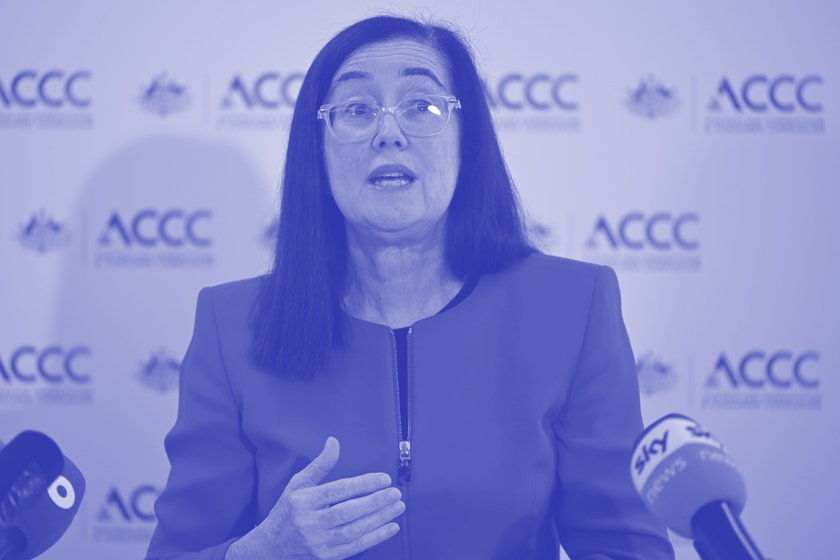
The ACCC has claimed a big win in the Coles fake discount case, but the real gauge of success will be the size of the penalties. And they may fall short of the hype.

NYSE:MA
The ACCC has claimed a big win in the Coles fake discount case, but the real gauge of success will be the size of the penalties. And they may fall short of the hype.

Mastercard says it has run Australia’s first authenticated agentic transactions with CBA and Westpac, using Agent Pay to verify shopping bots.

A top global Mastercard exec says what happens in Australia "set a precedent for the world" on regulation, and that the central bank should level the playing field in payments.

Momentum in the open banking regime has been flagging but a reset last year has boosted activity, including a Mastercard-Equifax tie up called Open Score.

As cybercrime grows, governments, regulators and the financial services sector need to devote more resources to the problem. But where will the money to pay for that investment come from?

As the ACCC vows to ramp up scrutiny of surcharging, a Mastercard survey found a third of merchants were breaching regulations over the practice.
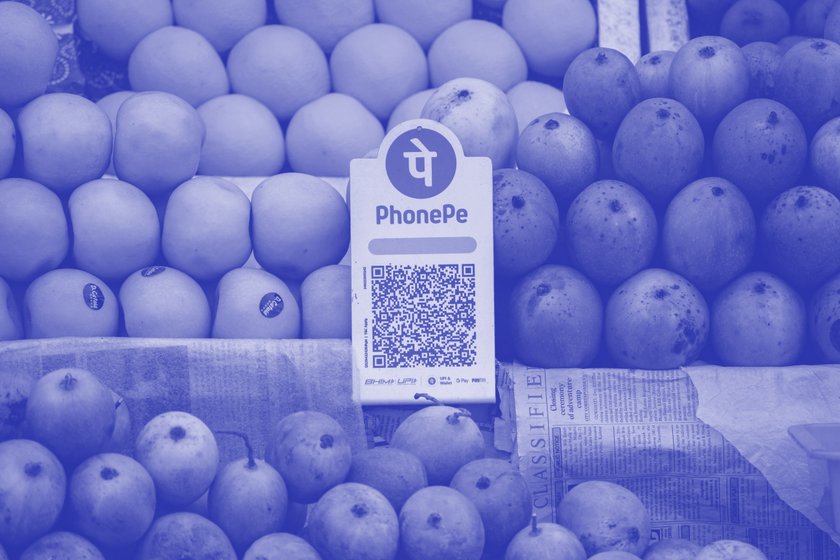
QR code payments dominate in China, India and other emerging economies. Now they've arrived in Australia, but widespread adoption faces major hurdles.
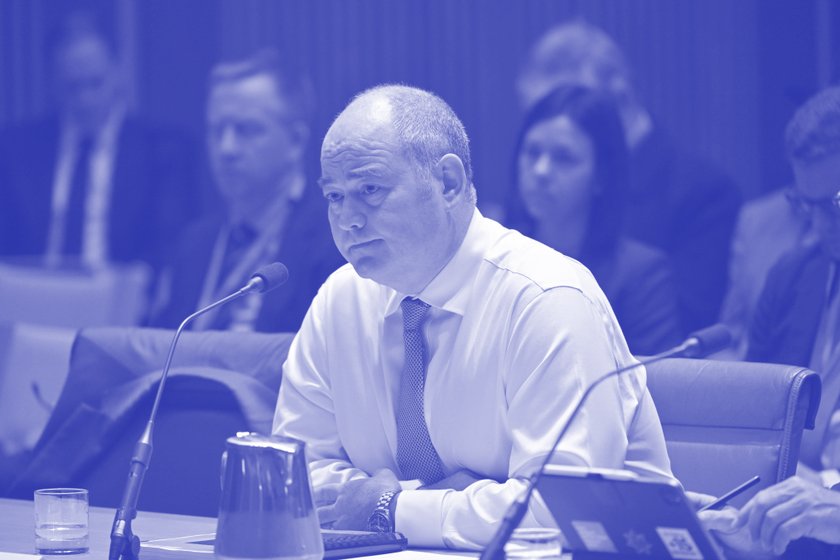
Are small merchants cross subsidising large ones for digital payment costs? Who should pay for cash? Who's making money from surcharging? The payments debate is heating up.

In the latest sign of big banks being more willing to partner with fintechs, CBA has teamed up with property platform Coposit to ease access to off-the-plan properties.

As traditional financial institutions pull back from earlier VC-type models, Visa, Mastercard and many banks are sharpening their fintech investment programs.

Digital wallets are a hot front for competition and legal action. Mastercard is the latest issuer to fire a shot, announcing an upgraded online payment product it says will tackle about 90% of payment card fraud.

Depending on who you talk to, open banking in Australia is on the point of acceleration or the pause in its rollout is a welcome chance to improve data quality.

If ever there was a business model for the times it was buy now, pay later. Load up young consumers with debt on the promise there was no interest cost, charge merchants high service fees to cover marketing, and rely on cheap funding, FOMO and a very benign credit cycle.

Your email address will be stored in accordance with our privacy policy.