The bushfire tech startups racing to help prevent another Black Summer
Four years on from the Black Summer, first-responders are once again on red alert. And a crop of Australian startups are racing to help them.


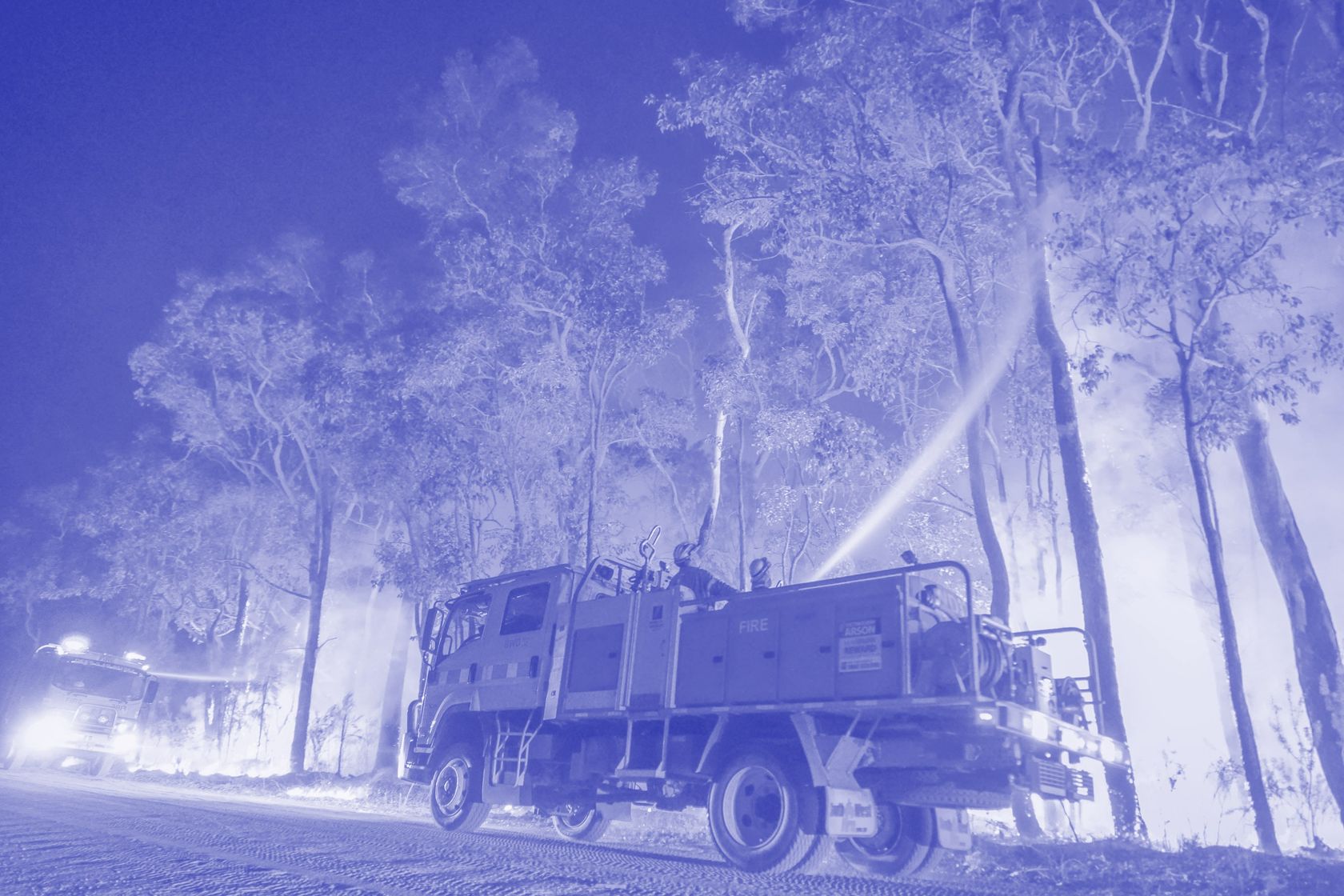
The Black Summer bushfires exposed devastating shortcomings in Australia’s defences. Emergency services relied on phone calls from the public to alert them of outbreaks. Surveillance in some areas counted on fire tower operators armed with a radio and a pair of binoculars. Static intelligence and partial data meant first responders were plunged into infernos with incomplete information.
“Communications were terrible, we were getting misinformation, we couldn’t get any situational awareness,” said Leigh Kelson, whose local community of Peregian Beach, Queensland, was forced to evacuate from a major blaze in September 2019. “From a technology perspective, I’m sitting there thinking ‘why aren’t we using better tech?’”
That catastrophic summer spurred an entire ecosystem of Australian startups seeking to revamp decades of unchanged firefighting methods and enhance our ability to predict, detect and manage bushfires.
Machine learning and 3D mapping platforms like Kablamo's Firestory can synthesise 40 years of data to predict when and where bushfires are likely to occur. AI is helping startups like Exci use data from satellites and ground-based camera networks to alert frontline workers of incidents in real time. Drone companies like Carbonix, which completed a $6.3 million funding round led by ASX-listed aerospace manufacturer Quickstep in 2021, are making fleets of uncrewed aircrafts able to reach and track the spread of remote ignitions.
Despite the wave of promise, and Royal Commission findings directing authorities to work with private enterprises on incorporating new technologies, the actual rollout in Australia has been limited. Instead, cuts to federal and state budgets and inertia within government agencies and emergency services have slowed adoption.
