The case for (and against) startup altruism
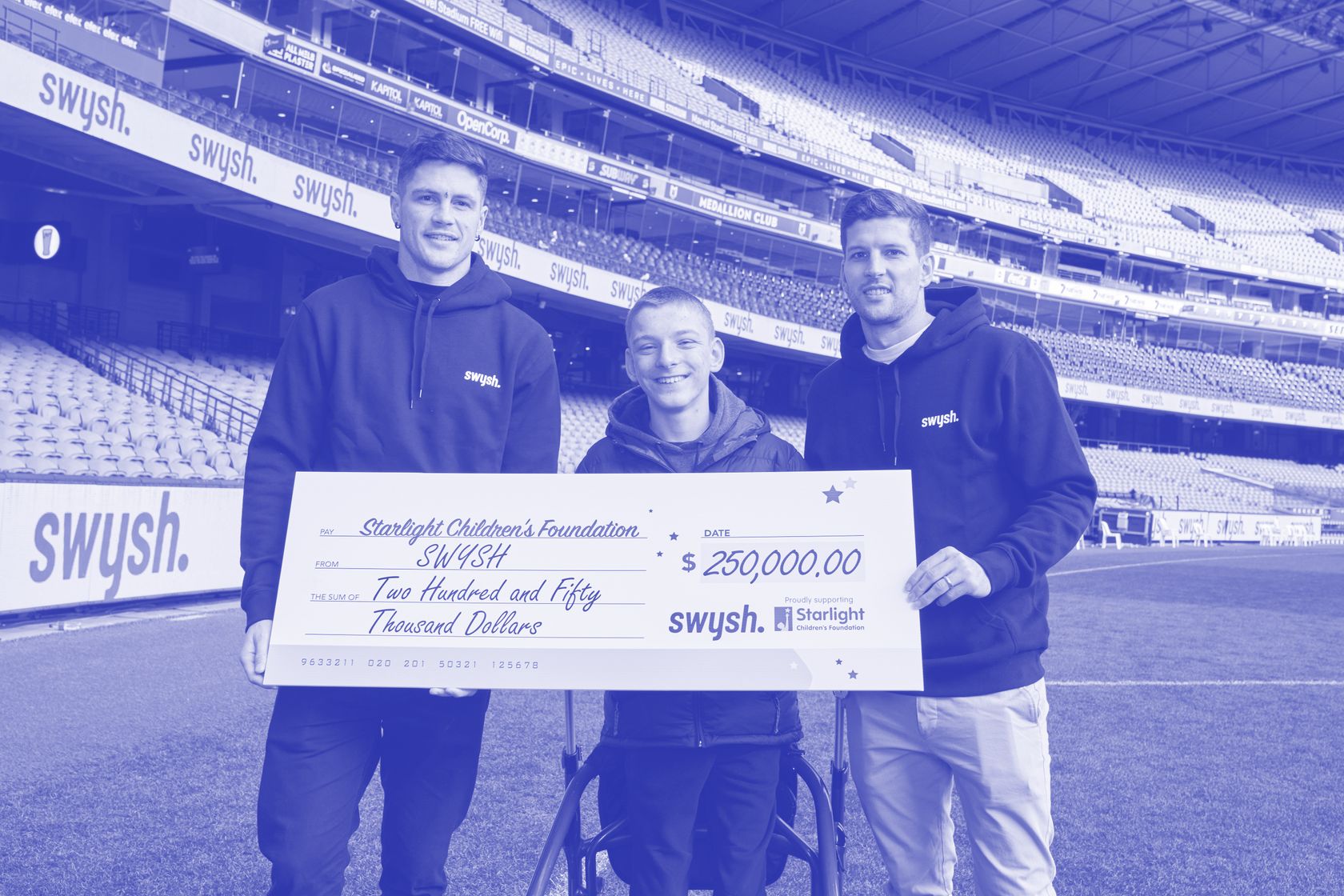
A Sydney startup has just raised $1 million for local charities. It’s all part of the way they turn a profit.


In recent times, tech companies haven’t exactly been quiet about their contributions to charity. The likes of Google, Apple and Microsoft have all but shouted it from the rooftops.
Google set up its charity division, Google.org, in 2005, granting USD200 million ($307 million) in philanthropic capital per year to nonprofits and social enterprises. Apple has raised more than USD880 million for almost 44,000 organisations since kicking off its Employee Giving program in 2011. And Microsoft’s 2022 impact report said the company had donated USD255 million to over 32,000 nonprofits last year.
Australia’s tech giants have trodden a similar path. The Atlassian Foundation has donated USD54 million and counting to good causes, while Canva co-founders Cliff Obrecht and Melanie Perkins have pledged to give most of their 30% company holding, valued at about $US7.6 billion ($11 billion), to “do the most good we can.”
But while the benchmark for corporate altruism has all but been set by the Pledge 1% campaign, spearheaded by Atlassian, Salesforce and Rally since 2014, one Sydney startup is busy making everyone else look bad — committing ten times that rate three years before they ever turned a profit.
