The RBA's most important move today wasn't on interest rates
Michele Bullock wasn't keen to talk about it, but the central bank has shifted its productivity assumptions in a profound move ahead of next week's economic roundtable.



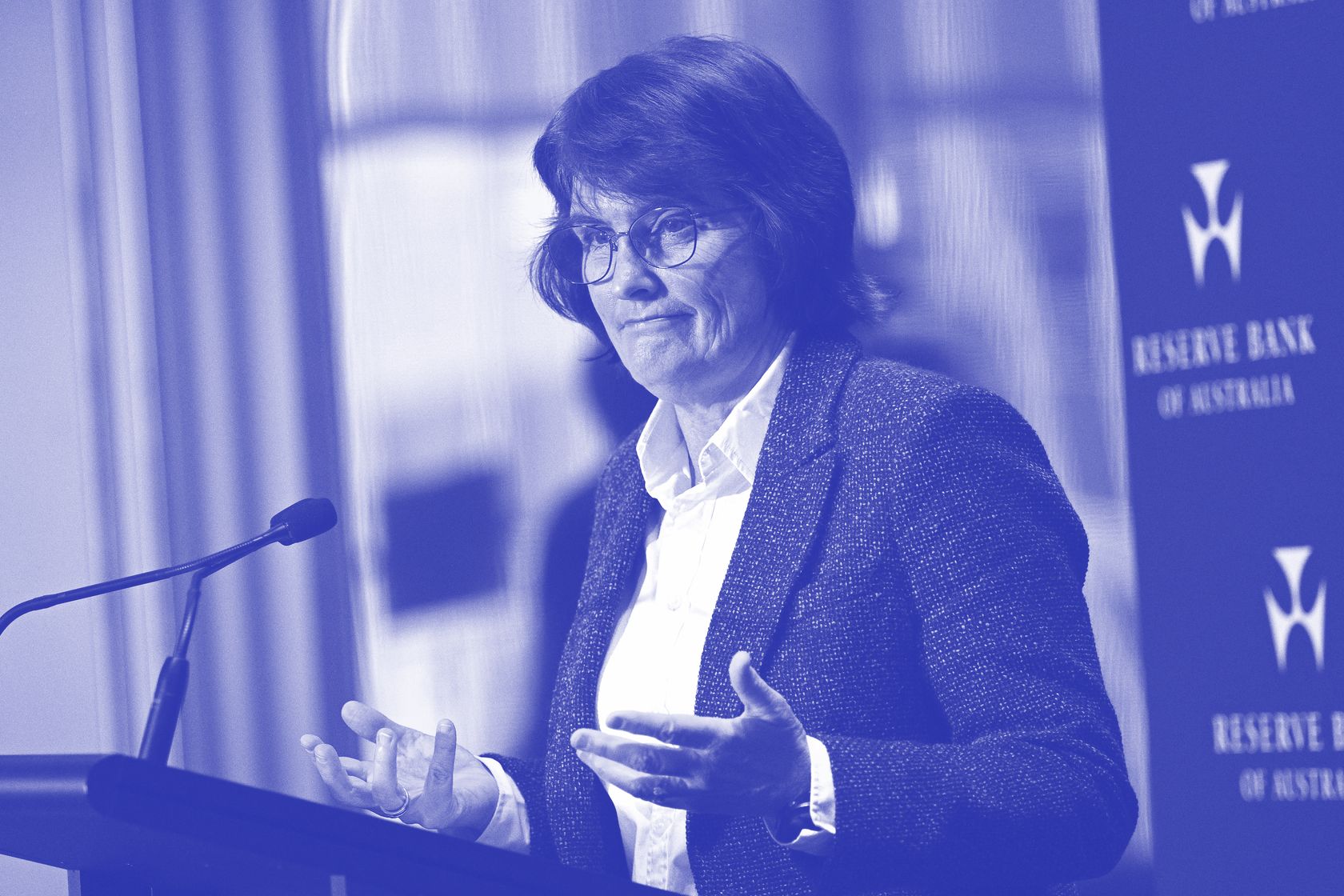
Michele Bullock rarely loses her cool, but there was an unmistakable tone of exasperation at her press conference on Tuesday afternoon after the Reserve Bank, as expected, delivered a 25 basis point rate cut.
Rather than focusing on the much-anticipated easing — following the highly criticised decision to hold rates steady in July — the assembled media, including Capital Brief, zeroed in on a significant shift in the Reserve Bank’s productivity assumptions released alongside the rate decision.
In its latest forecasts, the RBA admitted it had been wrong for some time on productivity, downgrading expected growth from 1% to 0.7% by the end of its forecast period to December 2027, and by extension reducing its GDP growth outlook. The data was released a week ahead of Bullock’s scheduled appearance at Treasurer Jim Chalmers’ economic reform roundtable.
“The main news here is actually the reduction in interest rates … breaking out of the productivity slowdown is a matter for the government that they are taking on,” Bullock told reporters after fielding a dozen questions about productivity issues in the economy. “There’s nothing the Reserve Bank can do.”