What founders can learn from viral toy phenomenon Labubu
Pop Mart's increasing global success shows how brand, community and clever distribution can drive growth — and why startups should take note.


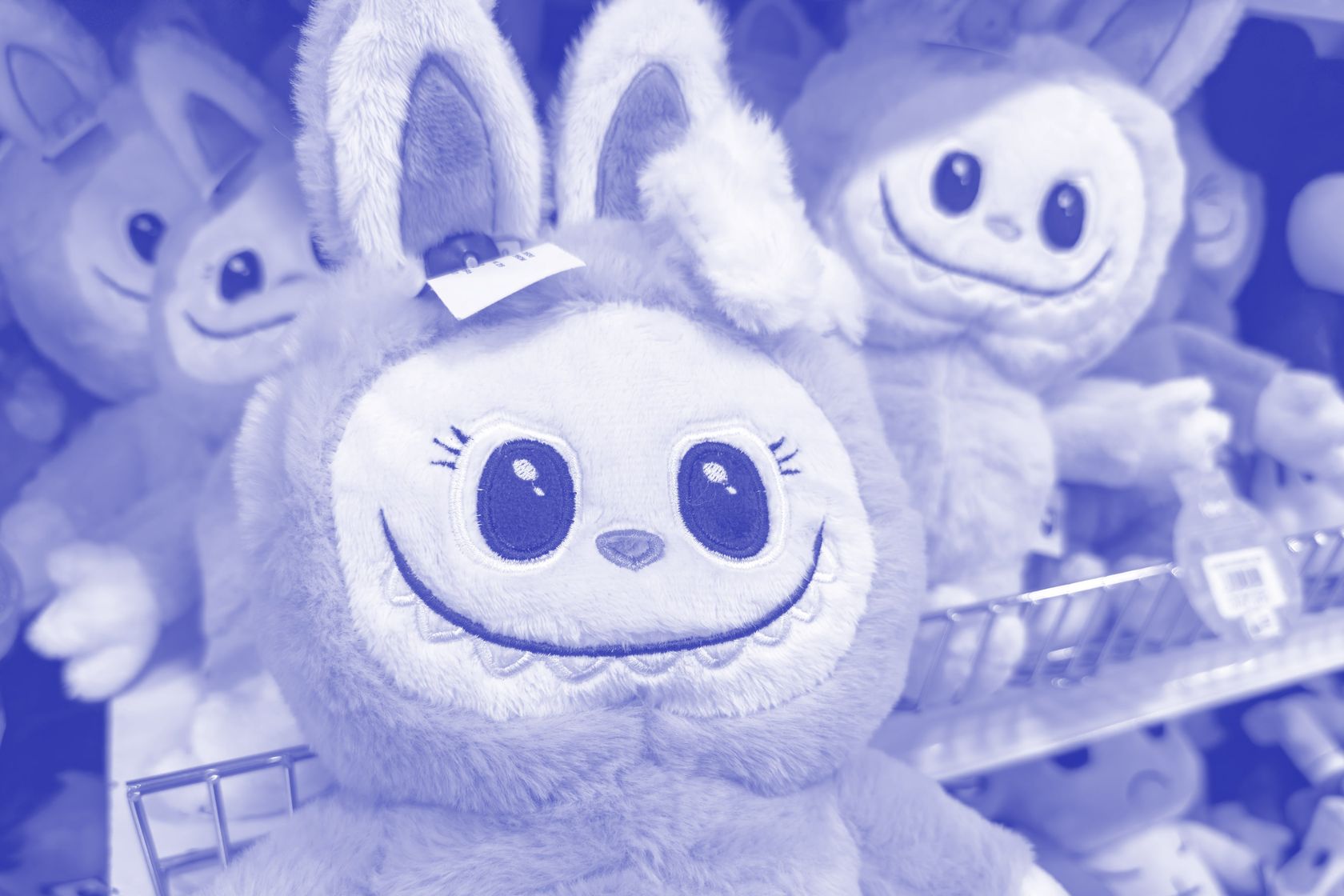
Labubu, the goblin-eyed plush toy with a permanent snarl, has sparked a global craze — netting billions in revenue, putting its Chinese parent company Pop Mart on the map with a $34 billion valuation, and even triggering fights outside London storefronts. When toys cause shopping centre brawls, you know something real is going on.
But Labubu is more than just a viral plush toy. It’s the mascot for a new playbook in brand building — one that blends intellectual property, gamification, and ecosystem thinking with a distinctly post-Silicon Valley flavour. Startups everywhere should pay close attention.
Created by Hong Kong artist Kasing Lung, Labubu is part collectible, part cult phenomenon. The character appears in plush toys, vinyl figurines, and an expanding branded merch universe. Its popularity exploded after K-pop star Lisa shared her adoration for it — and soon Rihanna, Dua Lipa and NBA player Dillon Brooks were seen toting their own Labubus.
Pop Mart, the Beijing-based company behind the character, has built a portfolio of original IP and licensed hits, from Teletubbies to Harry Potter, and along the way developed a business model centred around partnerships and customer engagement that should make any founder take notes.
