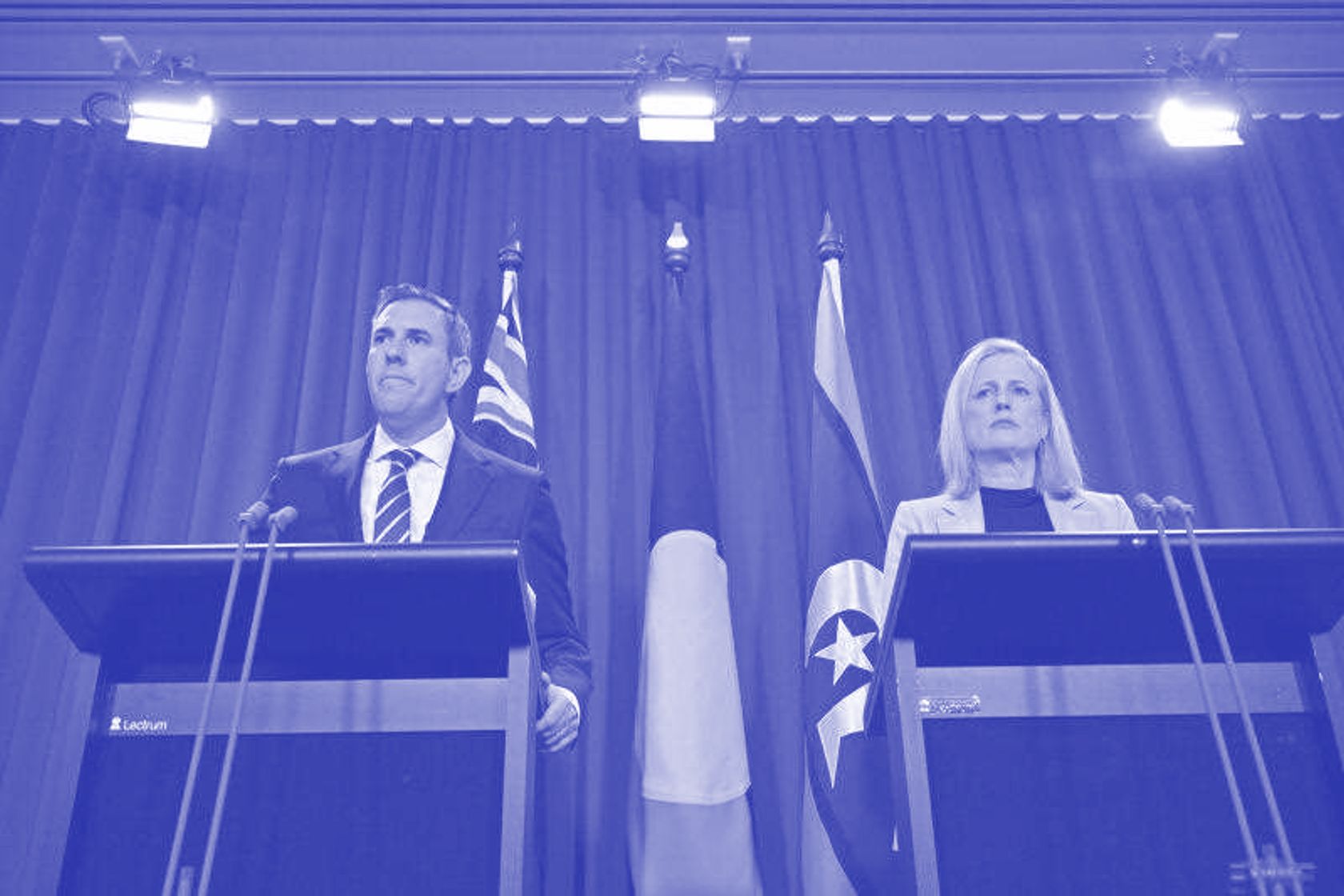
When Jim Chalmers delivered his third federal budget on 14 May, 2024, it was widely expected to be his last. We said at the time that it was “unclear” whether it was an election budget, with around a year still to run until Australians would head to the polls.
Regardless, it was obvious then that the treasurer was delivering a clear message to voters. The Albanese government was aiming to demonstrate that it could both ease near-term financial pressures — by offering big energy rebates and amending the stage 3 tax cuts to be more generous to lower-income households — and future-proof the nation with a $23 billion plan to shore up investment in critical industries.
A lot has changed since then.
The Reserve Bank recently delivered an interest rate cut for the first time since 2020 as inflation has started to return to the target band — though it's still lingering higher than the central bank would like. And the discussion about responding to Joe Biden’s historic Inflation Reduction Act has dissipated, with the focus now firmly on his successor Donald Trump’s tariff regime.
As UNSW professor Richard Holden tells Capital Brief, this will be a particularly difficult budget for Chalmers to navigate successfully. One of the “bigger challenges” will be crafting a narrative that suits the times.