Dow Jones joins Nasdaq in correction territory as Wall St sell-off intensifies
Plus: Marco Rubio says Iran war to last two to four weeks; Softbank secured USD40b loan for OpenAI follow-on investment; ARN is going after Kyle Sandilands in contract battle.

Good morning. Here’s what happened overnight and what you need to know this weekend.

1.
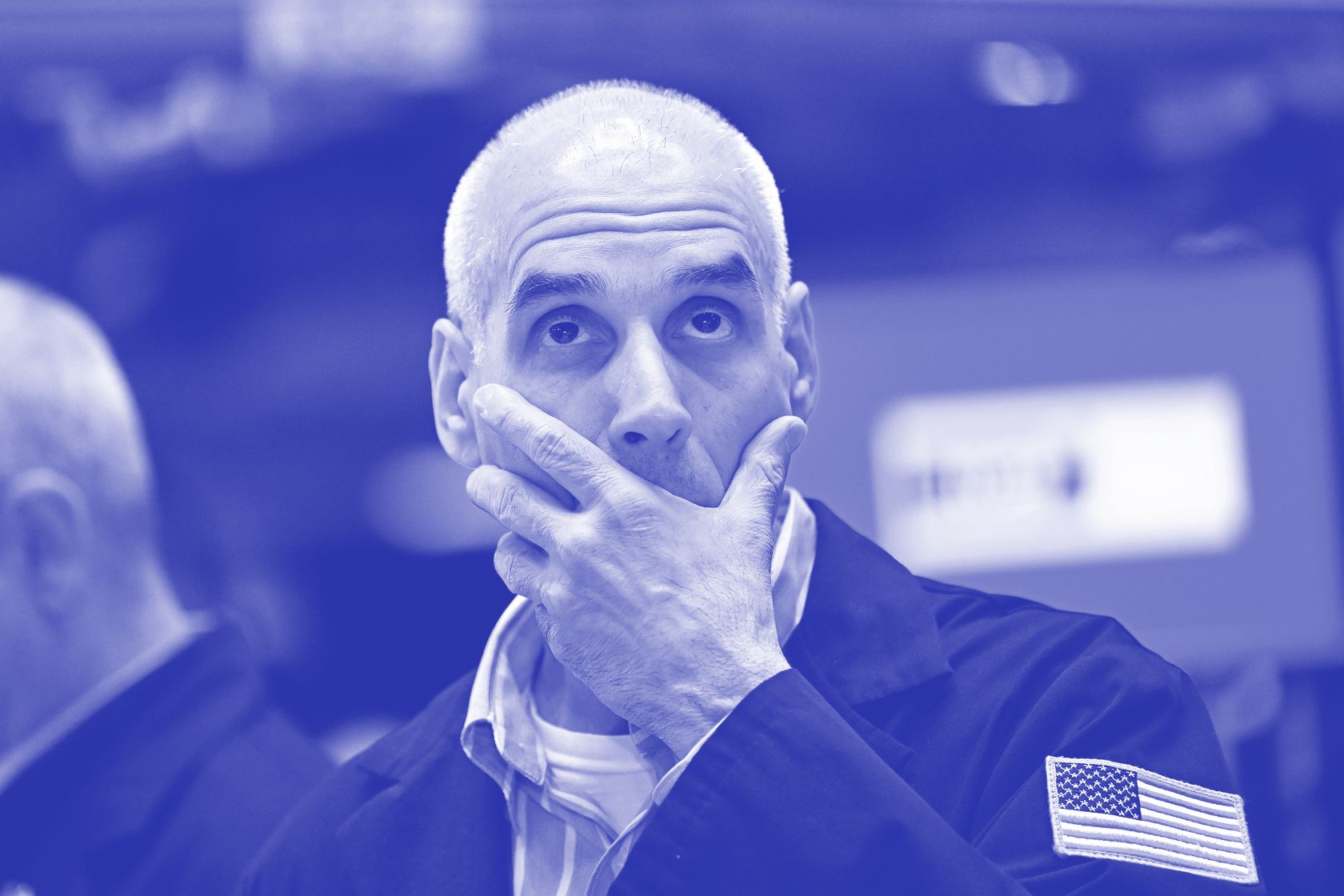
War-ried markets: The Wall Street sell-off intensified into the close on Friday, as strikes continued across the Persian Gulf, exacerbating investors concerns about energy supply. The Dow Jones Industrial Average fell 793 points, or 1.7%. to 45,167, while the Nasdaq Composite Index, which fell into a correction Thursday, dropped 2.1%. The S&P 500 closed lower for its fifth straight week, down 1.68%, notching its worst monthly performance since 2022. The decline come despite US President Donald Trump’s move to suspend strikes on Iranian energy infrastructure until 6 April to allow time for negotiations with Tehran. Oil prices closed at their highest level since July 2022, with Brent crude settling 4.2% higher on Friday at USD112.57 per barrel, while West Texas Intermediate settled at USD99.94, up 1.3% since last Friday for its fifth weekly gain in five weeks. In economic news, US consumer sentiment fell to a three month low in March, as a rise in fuel prices and existing concerns about the cost of goods dampening consumer spending. (FT)(CNBC)(WSJ)(Bloomberg)
2.
Iran war: The US expects the war against Iran to last another two to four weeks, US Secretary of State Marco Rubio told G7 partners on Friday, according to sources cited by Axios. In a meeting in France, Rubio reportedly told foreign ministers that the conflict was proceeding in line with the Trump administration’s plan and that “this is not going to be a prolonged conflict.” His comments come as Trump gave Iran a 10-day extension to reopen the Strait of Hormuz to commercial shipping, or face strikes on energy infrastructure. Rubio said the current priority remains preventing Iran from establishing an “illegal” tolling system for global shipping through the vital thoroughfare. Rubio also reiterated that Iran has not responded yet to Washington’s 15-point list of demands to end the war and that the US wants to know to whom it’s talking to on the Iranian side. Iran’s Foreign Minister Abbas Araghchi condemned a spate of Israeli strikes on Iranian nuclear facilities on Friday, threatening a “HEAVY price for Israeli crimes.” (Axios)(CNN)(The Guardian)(WSJ)(Bloomberg)
3.
Monster loan: SoftBank inked a USD40 billion ($58.22 billion) loan to finance its follow-on investment in OpenAI, loading up the Japanese company’s debt pile as it pushes to assert itself amid the AI race. In a statement released Friday, SoftBank said the non-collateralised bridge loan, maturing in 12 months, will be used by its Vision Fund 2 for a USD30 billion follow-on investment in OpenAI and for general corporate purposes. The loan’s underwriters include JP Morgan Chase, Goldman Sachs, Mizuho Bank, Sumitomo Mitsui Banking Corp and MUFG Bank and the loan will be paid partly through the sale of its existing assets. While the loan is SoftBank’s largest ever borrowing denominated solely in dollars, Masayoshi Son’s company has previously invested over USD30 billion into the startup. Earlier this week, an OpenAI spokesperson told CNBC that its ads business pilot brought in USD100 million in annualised revenue in under two months. The move to introduce ads was ridiculed by rival Anthropic, but OpenAI said that it has not seen any impact on privacy-related trust metrics. (SoftBank)(CNBC)
4.
Pinch-points: The first round of the Kyle Sandilands v ARN fight in the Federal Court on Friday did not go well for the radio presenter — until the final moments. After filing his case a week ago, Sandilands pleaded with Justice Angus Stewart to expedite it, saying he could be ready in two weeks and that it would need only three days. Stewart seemed ready to roll, until ARN estimated the case could take up to 10 days and said it would seek to explore “all the pinch-points in the relationship”. The judge tentatively set aside five days from June 22 at Sandilands’ behest, but hinted the matter was more likely to be listed after 20 July. The 30-minute hearing indicated the case will be a bruising court battle, should the parties fail to reach a settlement over the coming months. The case will return to court on 24 April for the next case management hearing. (Capital Brief)
5.
Epstein files: A survivor of Jeffrey Epstein is suing the Trump administration and Google for the wrongful disclosure and republication of identifying information of Epstein’s victims. The lawsuit filed on Thursday afternoon in California is seeking class-action status, claiming that the Department of Justice violated their privacy protections under US law when it released records required by the Epstein Files Transparency Act. The suit alleges that the DOJ violated the privacy of around 100 victims and that Google “continuously republish[ed] its, refusing victim’s please to take it down.” It argues that the US “intentionally prioritised volume and speed of public disclosure over the safety and privacy of Epstein survivors, adopting a release now, retract later approach.” The plaintiff, listed as Jane Doe, wants to compel Google to remove and stop displaying victim information, unspecified compensatory and punitive damages, and statutory minimum damages. (US District Court)(CNBC)(Bloomberg)(CNN)(Politico)
6.
Race to build: Google is planning to help finance a multibillion-dollar data centre project in Texas leased to Anthropic, according to sources cited by the FT. The funding would include Google offering construction loans for Nexus Data Centers, which operates the site and is expected to be finalised in the coming weeks. Meanwhile, sources said that a group of banks is contending to provide financing which could total more than USD5 billion ($7.28 billion) for the first phase of the project and support from Google parent company Alphabet would help to raise the financing at a lower cost. Nexus’ 2,800 acre data centre campus is expected to deliver around 500 megawatts of capacity by late 2026, with sources saying the campus could ultimately deliver around 7.7 gigawatts. Meanwhile, a report from Fortune raised concerns that an Anthropic AI model currently being tested may be used by hackers to circumvent cyber defences, prompting cyber stocks to sink. (FT)(Fortune)(Bloomberg)
7.
Strictly independent: For all the focus on One Nation in Farrer, bookies are tipping an independent. Michelle Milthorpe sat down with Capital Brief — talking water, the Liberals’ ‘gross’ treatment of Sussan Ley, and why you shouldn’t call this candidate a teal. In front of 200 supporters at her Albury launch this week, Milthorpe, who receives funding from Climate 200, struggles to contain an eye roll when the ‘teal’ label is raised. (Sky News ‘after dark’ host Paul Murray has taken to calling her a ‘stealth teal’, hiding her true agenda from regional voters). Asked to nominate one national issue she would fix with the wave of a wand, she expands on her call for a royal commission into water management. “If you were being charged a $110,000 water delivery fee and not getting a drop of it, you’d be asking questions. We’ve got people that have done that three years in a row.” (Capital Brief)
8.
Pending regulatory approval: The US Department of Justice has sent subpoenas in its investigation of the Paramount Skydance acquisition of Warner Bros Discovery, sources told Reuters as the DOJ persists with its probe into the record USD110 billion ($160.12 billion) deal. Sources told the news agency that the Justice Department is seeking information around how the deal will affect studio output, content rights and competition among streaming services, as well as how the acquisition could affect cinemas. As part of the deal, Paramount promised to pay Warner Bros shareholders a 25 cent per share quarterly ticking fee, commencing October, should the deal not be closed by then. Shares in Warner Bros have toppled more than 7% since their peak in February to around USD27 per share, a USD4 per share bite on the price Paramount agreed to pay. Bloomberg reports that the price decline could signal a diminishing probability that the deal will be completed. (Reuters)(Bloomberg)
