Israel kills two senior Iranian leaders as Trump floats NATO exit
Plus: Wall St rises for a second day as war rages on; Government’s NRF backs GPS alternative maker Advanced Navigation in $158m raise; Future Fund’s Combet flags geopolitics as biggest risk.

Good morning. Here’s what happened overnight and what you need to know today.
1.
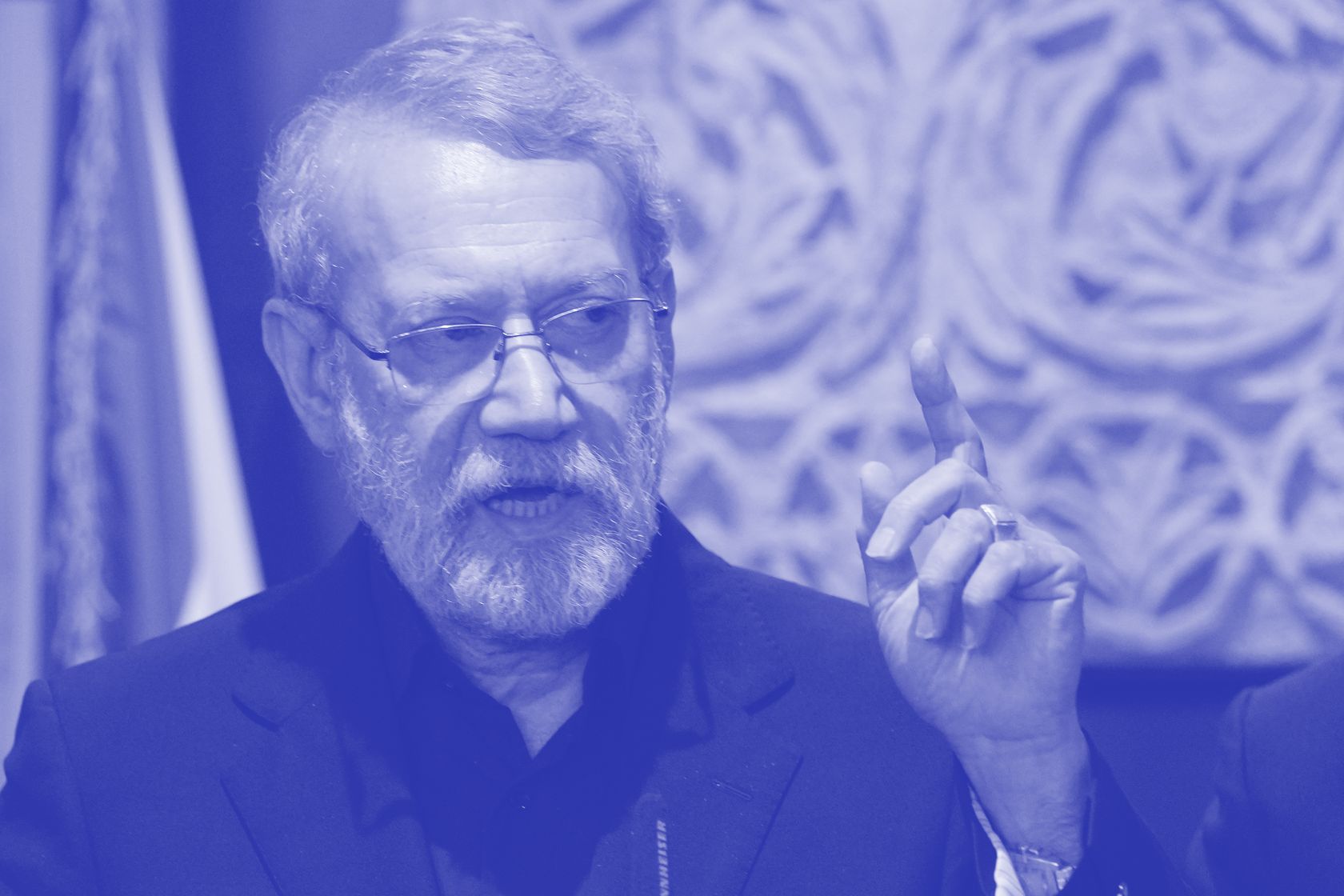
Head hunt: Israel said it killed Ali Larijani, Iran’s most visible figure since the death of Supreme Leader Ayatollah Ali Khamenei, in an airstrike near Tehran, dealing another blow to a leadership torn apart by 18 days of US-Israeli strikes. Defence Minister Israel Katz said the Israeli military also killed Basij militia commander Gholamreza Soleimani in the same operation. Iran had not confirmed either death, though two unnamed Iranian officials told The New York Times they believed both men had been killed. It came as Reuters reported an unnamed Iranian official said the newly installed supreme leader Mojtaba Khamenei had declared at his first foreign policy session that it was not “the right time for peace until the United States and Israel are brought to their knees, accept defeat, and pay compensation.” The conflict claimed its first political casualty in Washington. National Counterterrorism Center director Joe Kent quit and posted a letter on X saying Iran “posed no imminent threat to our nation and it is clear that we started this war due to pressure from Israel and its powerful American lobby.” Trump told reporters Kent was “weak on security,” while the White House said his letter contained false claims. Meanwhile, Trump singled out Australia, Japan and South Korea for criticism, alongside NATO allies as he floated a US withdrawal from the alliance. “It’s certainly something that we should think about. I don’t need Congress for that decision,” Trump said, adding: “I have nothing currently in mind.” Meanwhile, Emmanuel Macron pushed back on Trump’s suggestion that France would help unblock the Strait of Hormuz, saying France would “never” join such operations while hostilities continued, though it was prepared to help escort ships through the strait once the bombing stopped. (FT)(WSJ)(AP)(NYT)(Capital Brief)
2.
War fuelled: With the US-Israeli war on Iran showing no signs of abating, oil remained above USD100 a barrel and global energy markets on edge. Yet Wall Street held its nerve, rising for a second straight session. The S&P 500 was up 0.31% in afternoon trade in New York, the Nasdaq 0.45% and the Dow 0.28%. Brent crude rose to as much as USD103.53 a barrel as Iran renewed attacks on UAE energy infrastructure, with the Fujairah oil terminal forced to halt oil loading for the third time in four days and cutting UAE output by more than half. Ship movement through the Strait of Hormuz remained very limited at roughly two crossings per day, down from more than 100 in peacetime. Elsewhere, all eyes turn to the US Fed tomorrow, when the central bank is expected to hold rates steady. Its updated economic projections and Jerome Powell’s press conference will be closely watched for signals on whether an easing cycle is still on the cards. That after the RBA raised rates for a second straight month in a narrow 5-4 vote, lifting the cash rate to 4.10%. All four major banks passed the increase on to mortgage customers within hours. In corporate news, Delta and American Airlines raised first-quarter revenue guidance as travellers rushed to lock in fares ahead of expected fuel-driven price increases. Qualcomm announced a USD20 billion share buyback and raised its quarterly dividend. (WSJ)(Reuters)(Bloomberg)
