It's the cost of living, stupid
Australians are feeling the pinch right now and are punishing the government in the polls. But with billions of dollars about to trickle back into the economy, will political fortunes shift?



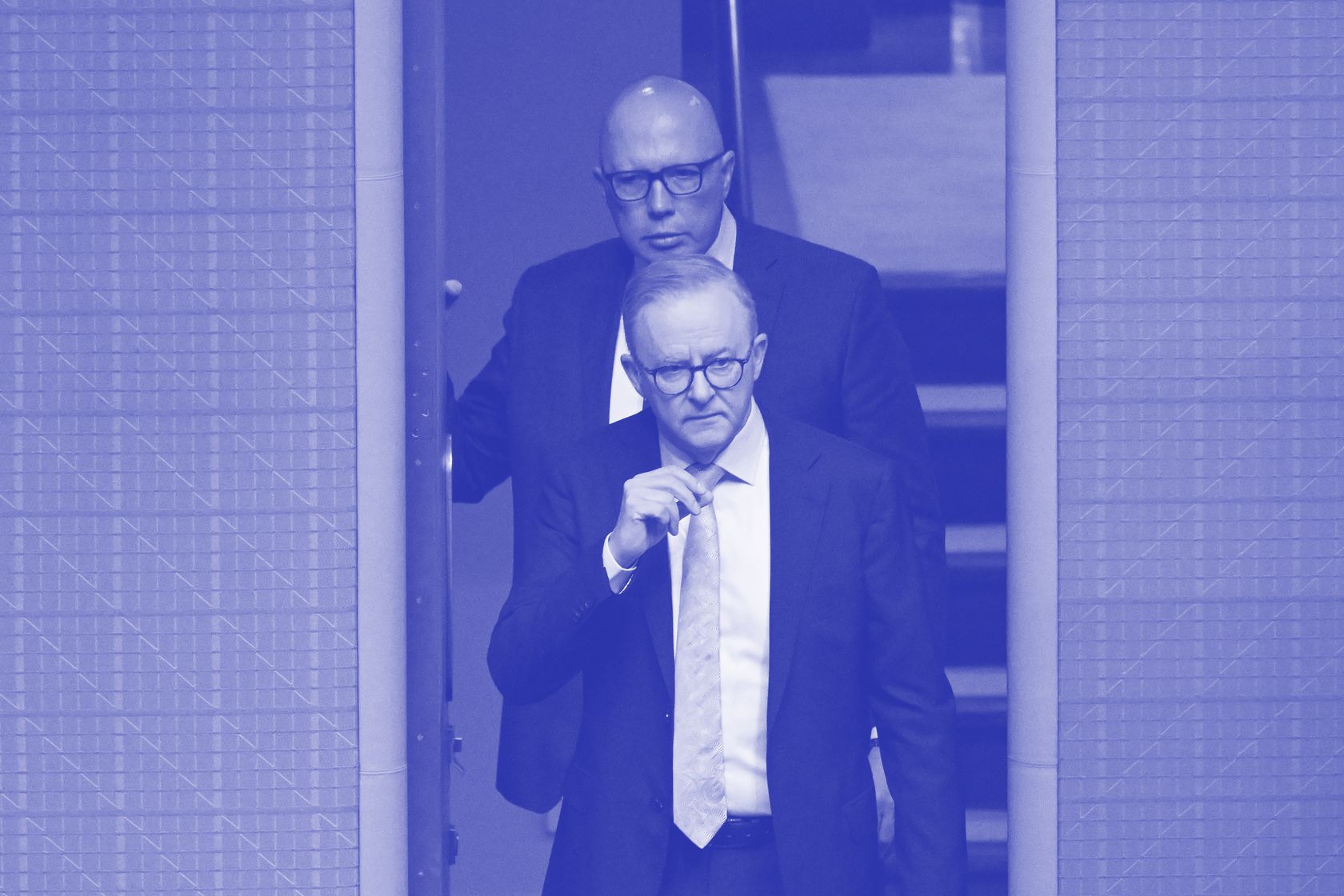
Getting the politics wrong on the cost of living is becoming an existential threat for Labor. For the first time, Opposition Leader Peter Dutton has crept ahead of Prime Minister Anthony Albanese on the Resolve Political Monitor. It’s a narrow lead but it’s significant in a poll that typically favours the first-term incumbent. And it tells us that voters are angry, with the cost of living dominating their concerns.
It has been well-covered here and elsewhere that many economists were not a fan of the government’s extra spending unveiled in the May budget, including cost-of-living measures, due to concerns it could make inflation worse.

As independent economist Chris Richardson tells Capital Brief, there’s a “fundamental difference between the symptoms and the disease”. Giving extra cash to households helps treat symptoms (higher costs) but does not do much to address the underlying cause (inflation).
But economists aren’t the ones the government must convince right now. And with just weeks until the amended stage three tax cuts, additional energy bill relief and state support start to flow into pay packets and utility accounts, both sides of politics will be watching closely for the public’s reaction.
