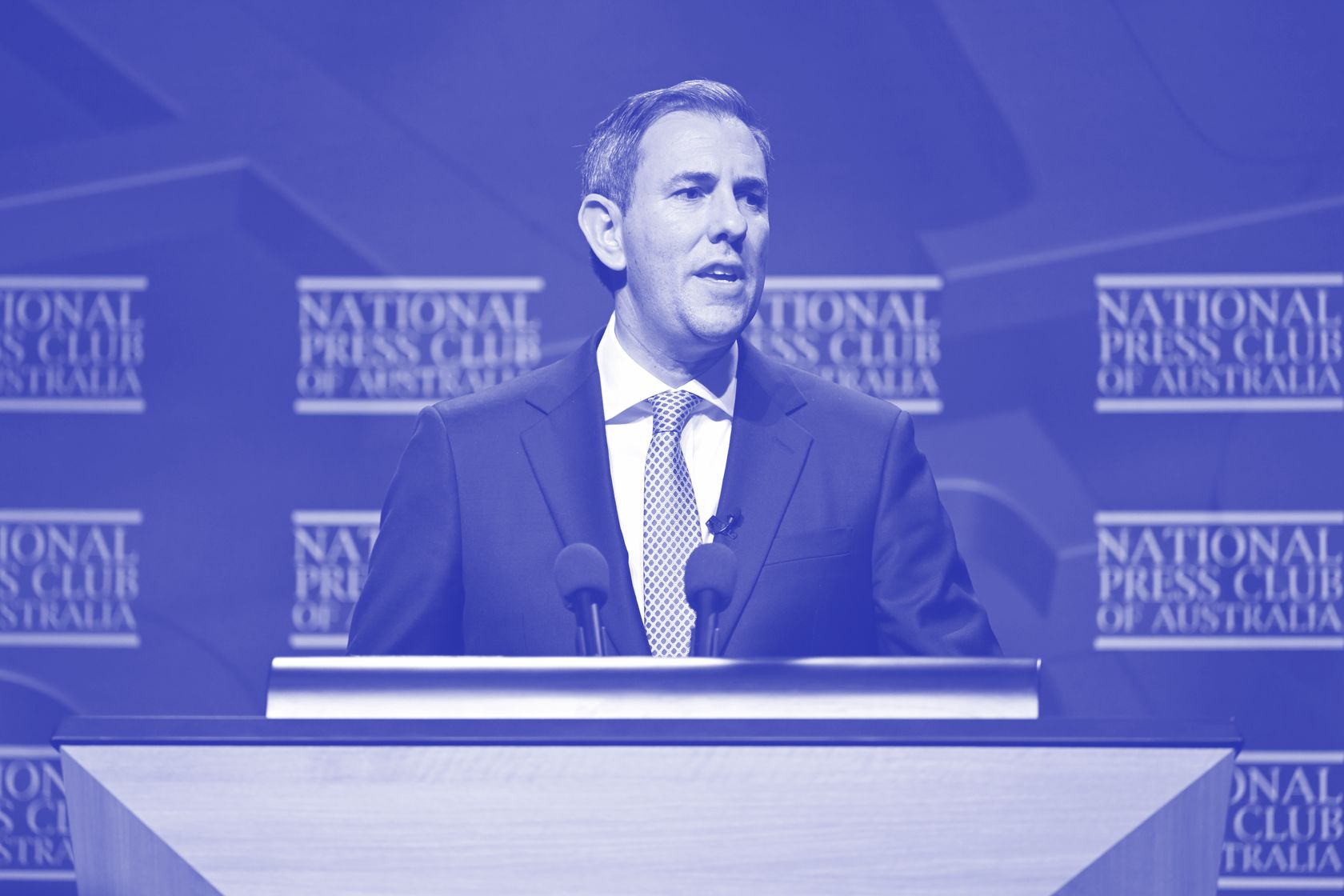
Few market economists would be better placed than Luci Ellis to gauge the impact of Jim Chalmers' latest budget on the Reserve Bank's fight against inflation. Less than a year ago the Westpac chief economist was an assistant governor at the central bank, giving her a pretty good grasp on how the budget will be received at Martin Place.
"In a world where [we] do have a tight economy, where there’s not a lot of spare capacity, [government spending] does add a little bit of inflation risk to the outlook,” she wrote in the bank’s post-budget summary. “But we do have to put it in perspective that the economy isn’t growing quickly at all...”
Ellis describes the impact of the budget overall as “neutral”, but other economists are more concerned. Goldman Sachs chief economist Andrew Boak thinks there’s now an upside risk to inflation, a sentiment broadly echoed by Jarden’s Carlos Cacho and analysts from Macquarie. KPMG’s chief economist Brendan Rynne decried the budget as “too stimulatory” and said it will place “inevitable upwards pressure on inflation”.
At the centre of the post budget debate is whether Chalmers’ cost-of-living measures — $300 energy bill subsidies and increased rental assistance — will actually reduce inflation.