Japan's Ishiba vows to stay after projected upper house loss
Plus: Labor divides crypto duties among ministers; Metrics says it’s unaware of ASIC probe; Brussels plots response to Trump’s tariff threat.

Good morning. Here's what happened overnight and what you need to know today.

1.
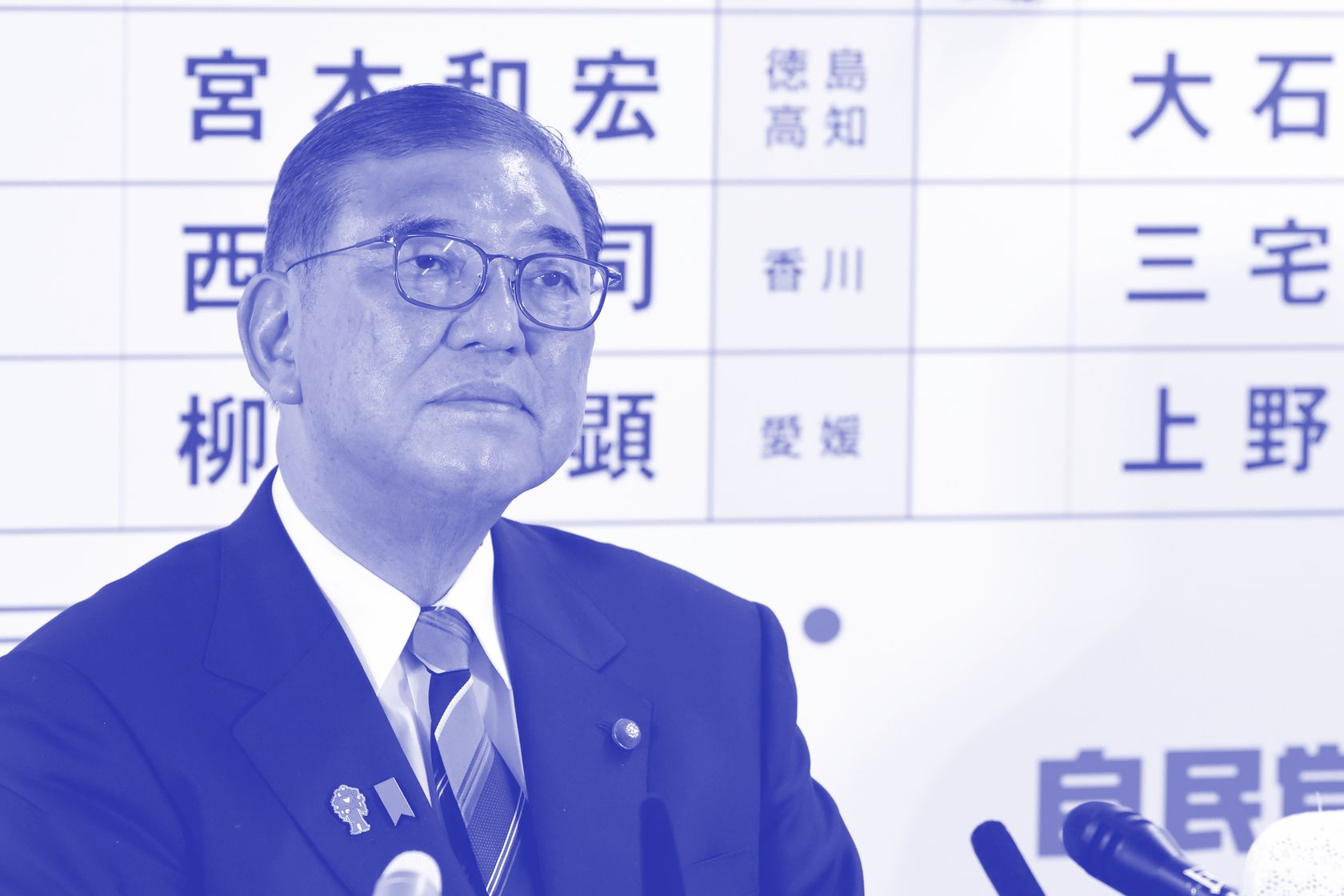
Sakura fate: Japanese Prime Minister Shigeru Ishiba signalled he plans to stay on despite his ruling Liberal Democratic Party and coalition partner Komeito appearing set to lose their majority in Japan’s upper house, according to exit polls. Public broadcaster NHK projected the coalition would win between 32 and 51 seats, short of the 50 needed to retain control of the chamber. Ishiba said he “solemnly” accepted the “harsh result”. Ishiba was repeatedly asked on Sunday night if he intended to stay. “That’s right,” he said. “I continue to have a number of duties I must fulfil for the nation.” The setback follows a previous loss in the more powerful lower house, with exit polls suggesting voters have shifted to opposition parties like the Democratic Party for the People and the far-right Sanseito. (Capital Brief)(Bloomberg)(NHK)
2.
New rules: Labor's approach to tackling cryptocurrency reform is slowly coming into form three months after the Federal Election and as the US makes its first major moves to regulate the blockchain. Regulation of digital assets and the platforms they're used on will be the purview of Assistant Treasurer Daniel Mulino, while Assistant Minister for Productivity, Competition, Charities and Treasury Andrew Leigh will continue working on crypto taxation policy. Offices for both ministers confirmed the responsibilities. Andrew Charlton, who as Assistant Minister for Science, Technology and the Digital Economy has been rumoured to have a seat at the table, for now has no formal role in cryptocurrency regulation. A spokesperson for Charlton said he would advise on all matters related to the digital economy. While both political parties made election promises of establishing a regulatory framework for blockchain technology, it has until now not been clear which minister would be responsible for what. (Capital Brief)
3.
Metric check: Metrics Credit Partners told Bloomberg that it is unaware of an ASIC probe into the company, after the outlet reported that the regulator had launched an investigation into the company’s loan valuations and governance practices. Per last week's report, the corporate watchdog is looking into the private credit manager over concerns which have emerged as part of a broader industry probe. While an ASIC spokesperson said that the commission is increasing surveillance of PE and private credit funds, it declined to comment on Metrics to Bloomberg specifically. On Sunday, Metrics told Bloomberg that it “is not aware of any ASIC investigation related to specific practices or transactions in our business.” The Metrics representative did not respond specifically to questions on whether the company was facing additional attention by ASIC because of its practices or due to its large exposure to real estate. (Bloomberg)(Capital Brief)
4.
Brussels moves: Senior EU officials and member state representatives are set to meet this week to prepare a response plan after US President Trump threatened the bloc with a 30% tariff on most of its exports from August 1 if no agreement is reached. US Commerce Secretary Howard Lutnick told CBS he was “confident we’ll get a deal done”. A growing number of EU countries are pushing to activate the anti-coercion instrument, the bloc’s most powerful trade tool, if talks fail and Trump follows through. The measure would give Brussels broad powers to retaliate, including new taxes on US tech firms, investment restrictions and limits on public procurement. Meanwhile, German newspaper Bild reported the EU is working on a plan to prohibit car-rental firms from buying non-EVs for fleets from 2030. While the FT reported Brussels is stepping up efforts to revive bank consolidation, accusing Italy of “infringing” EU merger laws in UniCredit’s €10 billion bid for Banco BPM and issuing Spain a “formal notice” over its blocking of BBVA’s merger with Sabadell. The commission said both actions breached EU law and demanded legislative changes. (Bloomberg)(CBS)(FT)
5.
Investor flux: Blackstone has withdrawn from a consortium seeking to invest in TikTok’s US operations, Reuters reported citing an unnamed source, as uncertainty mounts around a deal now at the centre of US-China trade talks. The group, backed by the Trump administration and led by Susquehanna International Group and General Atlantic, had been seen as the front-runner to buy TikTok US, but repeated delays to ByteDance’s divestment deadline have clouded the process. Meanwhile, Elon Musk said his AI company xAI will make a kid-friendly app called Baby Grok. The Financial Times reported the London Stock Exchange is weighing whether to launch 24-hour trading amid growing demand from active small investors outside normal hours. And Bloomberg reported the US Justice Department is working on a criminal antitrust investigation into whether some investors in CLOs colluded to bolster their positions as markets transitioned away from LIBOR in 2023. (Reuters)(FT)(Bloomberg)
6.
Salacious celebrations: President Trump sued the Wall Street Journal publisher, Dow Jones, late Friday night over a story which described a “bawdy” birthday letter that the WSJ says was sent from Trump to Jeffrey Epstein. Trump had previously said that “the supposed letter” was “a FAKE”. The libel suit filed in Florida says that Trump is seeking damages and other costs “not to be less than USD10 billion ($15.3 billion)”, also requesting a jury trial. In the filing which names CEO Rupert Murdoch, Trump accused the reporters and publishers of “malicious, deliberate, and despicable actions” and said the letter to Epstein was “non-existent”. According to the WSJ report, the letter included several lines of typewritten text framed by the outline of a naked woman, which ends: “Happy Birthday — and may every day be another wonderful secret.” (WSJ)(Court filing)(FT)(Axios)(Reuters)
7.
Israel-Palestine conflict: 73 Palestinians were killed and over 150 injured while trying to access aid stations in Gaza on Sunday, according to the local Health Ministry. The Israel Defense Forces (IDF) said that troops had “fired warning shots in order to remove an immediate threat posed to them” after “a gathering of thousands of Gazans was identified in the northern Gaza Strip.” The IDF told The Times of Israel that it is “aware of the claims of casualties in the area,” but added that “a preliminary examination shows that the reported number of casualties does not align with the existing information.” Meanwhile, the IDF issued an evacuation order for Deir al-Balah in central Gaza on Sunday, as it prepares to expand its offensive against Hamas into the densely populated area where it has not yet deployed ground forces. Some of the Israeli hostages taken on 7 October 2023 are believed to be held in Deir al-Balah. (Times of Israel)(Politico)(Reuters)(ABC)(Bloomberg)(FT)(Capital Brief)
8.
Trump’s tariffs: Brazilian aircraft manufacturer, Embraer, warned tariffs threatened by US President Donald Trump could add USD9 million ($13.8 million) to the price of each jet bought by US airlines. CEO Francisco Neto told the FT that aircraft production might have to be slowed or stopped if US customers refused to pay the higher price, and that tariffs could delay his company’s purchase of up to USD20 billion ($30.6 billion) worth of American-made parts and equipment over the next five years. The US is a key market for the company’s E175 narrow-body jets built in Brazil and around 70% of Embraer’s executive jets are sold in the US. The overall impact of Trump’s tariffs on the planemaker, said Neto, could be as damaging as Covid-19. Meanwhile, the WSJ reported that when the Trump administration reviewed SpaceX’s government contracts in June, officials determined that most SpaceX contracts were critical to Defense Department and NASA missions. (FT)(WSJ)
