Just you wait
As Australia sees early AI-linked redundancies, RBA governor Michele Bullock insists the bigger jobs impact is likely to unfold less dramatically.


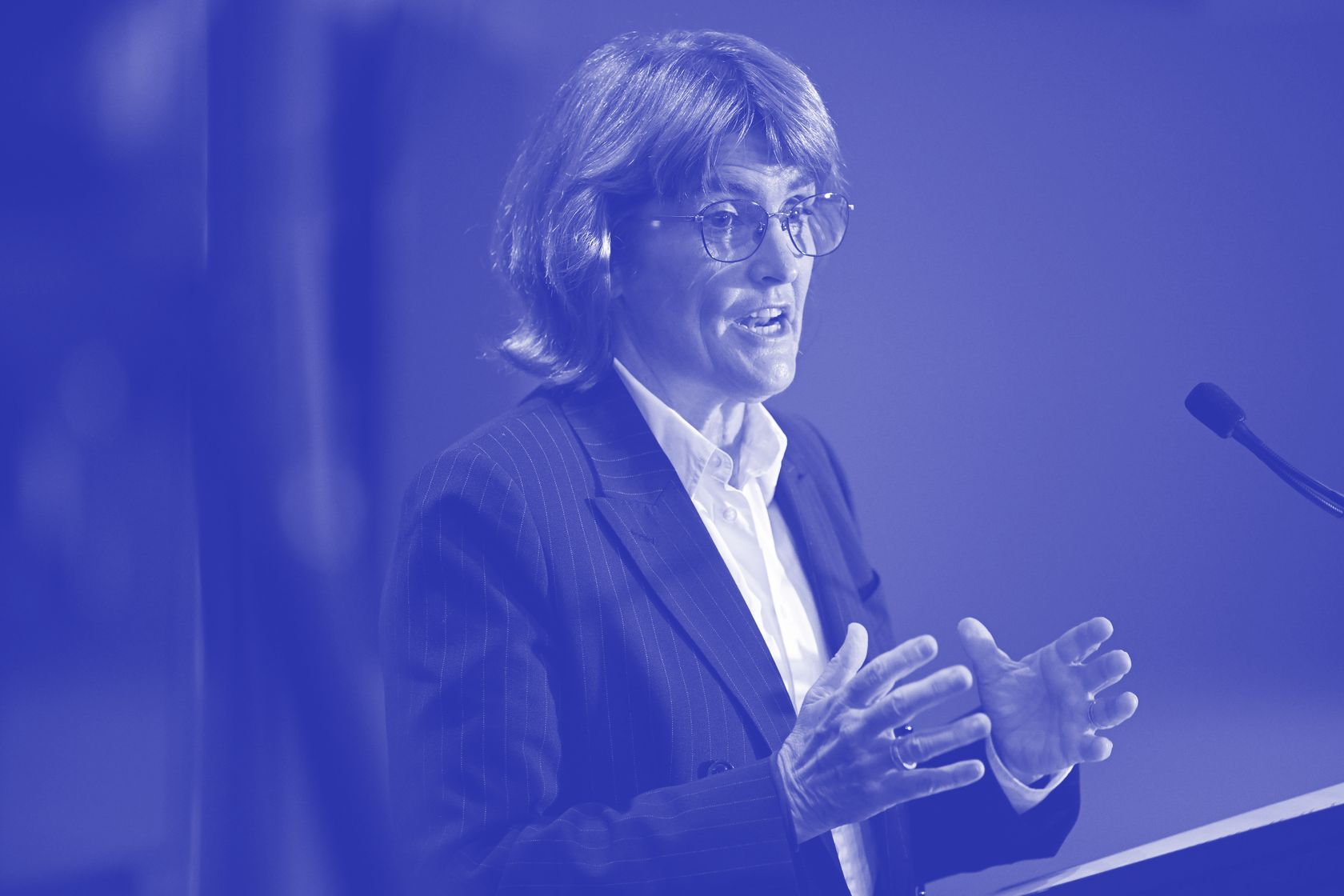
Reserve Bank governor Michele Bullock was true to form on Tuesday morning, refusing to speculate on how the conflict in Iran might affect the Australian economy. But on one contentious issue she appeared more forthcoming than usual: the impact of AI on jobs.
Bullock is, of course, the head of the policymaking institution charged with not only keeping inflation on target but also aiming for full employment. And she’s well aware there is palpable fear in parts of the workforce about what AI will mean for white collar jobs.

As Capital Brief has extensively documented, last week saw the first true examples of AI-driven job cuts by major Australian employers.
CBA, under the cover of darkness, cut 300 technology roles. WiseTech upped the ante by slashing 2,000 jobs, about a quarter of its workforce. Then Block, which has a large presence in Australia after acquiring Afterpay, finished the week by cutting 4,000 positions, pointing to AI as the reason.
