Microsoft, Apple abandon OpenAI board oversight amid antitrust concerns
Plus: Paramount local boss says jobs safe for now; Clooney and Pelosi deal latest blow to Biden’s campaign; Powell says US Fed won’t wait for 2% inflation to cut rates.


Good morning. Here's what happened overnight and what you need to know today.

1.
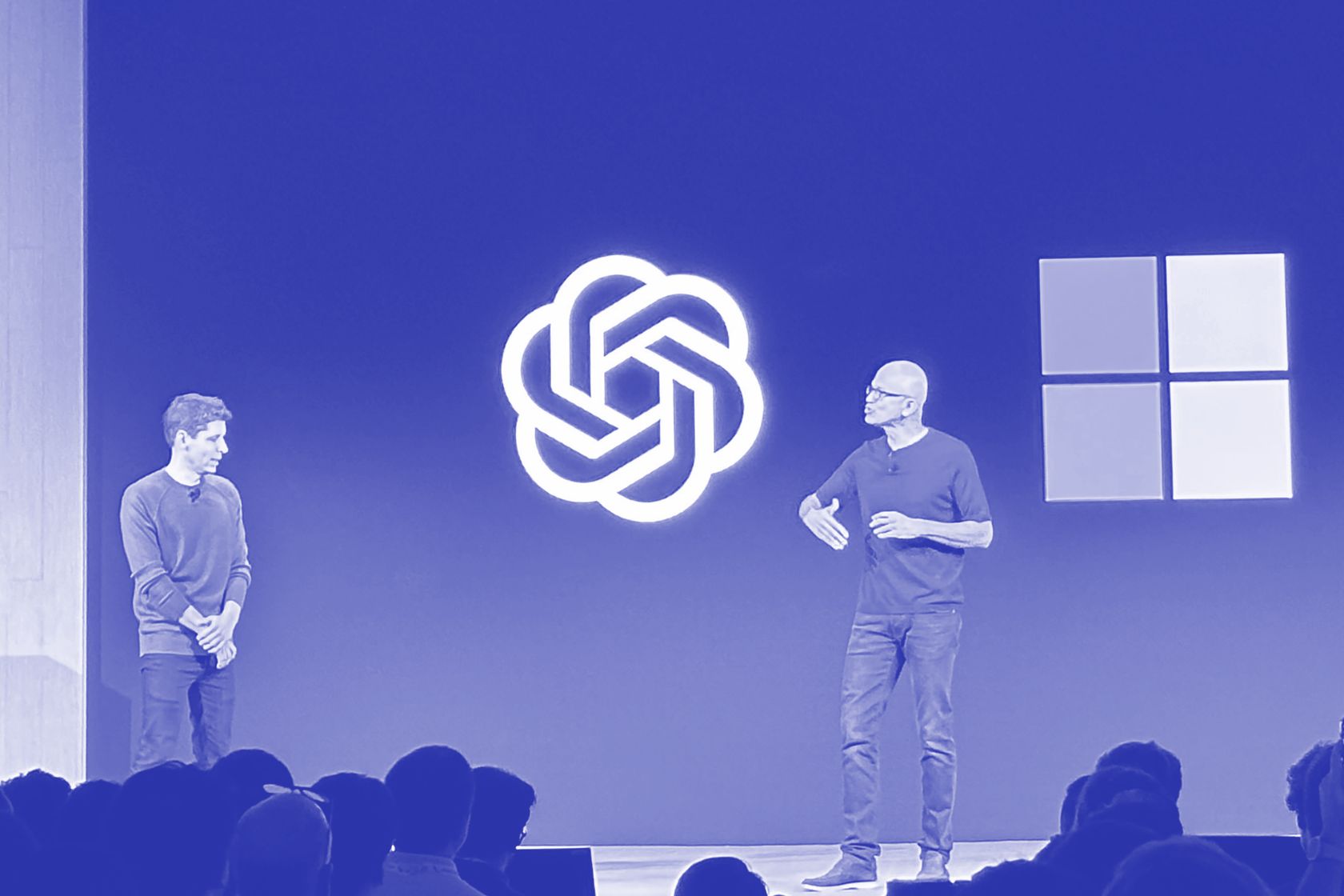
Board retreat: Microsoft stepped down from its observer role on the OpenAI board and Apple has decided not to take up a similar position, amid increasing regulatory scrutiny of Big Tech's AI investments in the US and Europe. The Financial Times reported Microsoft, which invested USD13 billion ($19.3 billion) in OpenAI, announced its immediate withdrawal in a letter to the AI start-up late Tuesday. Apple was expected to take an observer role as part of a deal to integrate ChatGPT into its devices but will now refrain, the publication said citing an informed source. Apple did not comment. OpenAI plans to hold regular meetings with partners and investors under the guidance of Sarah Friar, the newly appointed CFO, the publication said. The surprising moves come as antitrust authorities in the EU and the US examine Microsoft and OpenAI's partnership amid concerns about the dominance of Big Tech in the AI sector. (Financial Times)
2.
Paramount shift: As Paramount Global's merger with Skydance Media nears completion, local boss and Network 10 president Beverley McGarvey reassured her roughly 900 local staff that there are no immediate plans for local job cuts, despite layoffs at rival networks. She did not completely rule out future reductions, however, saying any impacts from the merger would likely not be felt locally for about a year. The USD2.4 billion ($3.6 billion) merger sees David Ellison’s Skydance, backed by RedBird Capital and the Ellison family, take control of Network 10's parent. Incoming leaders Ellison and Jeff Shell outlined bold ambitions for the company this week, including technology-driven improvements, plans to cut USD2billion in costs – likely involving job cuts, reduced programming and the consolidation of TV production – as well as potential asset sales. Paramount’s focus will shift towards its streaming service Paramount+ and its Hollywood studio Paramount Pictures. The agreed deal includes a 45-day “go shop” window where Paramount could find a better deal. (Capital Brief)
3.
Biden’s battle: Joe Biden’s re-election bid received new blows as more key figures voiced serious concerns about his chances to beat Donald Trump. George Clooney, the actor and prominent Biden fund-raiser wrote in The New York Times: “I love Joe Biden. But the one battle he cannot win is the fight against time.” Influential Democratic lawmaker Nancy Pelosi also appeared to suggest in a MSNBC interview that the president should reconsider his re-election bid, saying “time is running short” for a decision. “It’s up to the president to decide if he is going to run,” she said. “We’re all encouraging him to make that decision. Because time is running short.” Eight House Democrats have publicly urged Biden to step aside. On Tuesday, Colorado Senator Michael Bennet became the first senator to publicly voice serious concerns about Biden’s chances against Trump. That followed reports that Bennet and fellow Democrat senators Jon Tester of Montana and Sherrod Brown of Ohio had privately told colleagues in a meeting Biden couldn’t win. US Fed Chairman Jerome Powell was asked if he had noticed any mental or cognitive decline in the president during meetings, to which he responded that he had not, clarifying he had only met the president briefly at an event where they shook hands. (Reuters)(New York Times)
4.
Pre-2% cut: US Fed Chairman Jerome Powell said the central bank will not wait for inflation to hit its 2% target before cutting interest rates, as it would be too late by then. On his second consecutive day addressing Congress, Powell told the House of Representatives the bank had “some confidence” inflation was moving sustainably towards its target but wanted “more good inflation readings” to be certain before lowering the official 5.25%-to-5.50% borrowing rate. PCE inflation, the Fed's preferred measure, rose 2.6% in the year to May, down from 7.1% in June 2022. The next reading is due in two weeks, with economists expecting another measure due Thursday, CPI inflation, to print a slightly lower annual reading. “If you waited that long [until inflation is 2%], you probably waited too long, because inflation will be moving downward and we'll go well below 2%, which we don't want,” Powell said. “We also have an employment mandate, so I could also see us cutting [rates]… if we saw unexpected weakening in the labour market.” Traders are pricing a roughly 70% chance the Fed will cut rates at its September meeting. (House Financial Services Committee)(Capital Brief)
5.
Gaza conflict: An Israeli missile hit a tent encampment in southern Gaza, killing at least 29 people, mostly women and children, as they gathered to watch a football match at a school, Reuters reported citing Palestinian officials. The Israeli military said the strike targeted, with "precise munition," one Hamas fighter involved in the 7 October raid on Israel that triggered the war, and that it was reviewing reports of civilian harm. Witnesses described a scene of devastation with body parts scattered and blood everywhere, Reuters reported. Israel continued its offensive in northern and central Gaza, urging civilians to evacuate Gaza City, an early target of the war that is seeing renewed fighting. The war has resulted in over 38,000 Palestinian deaths according to Gaza health officials. Israeli Defence Minister Yoav Gallant said 60% of Hamas fighters had been killed or wounded. Meanwhile, ceasefire talks were set to resume in Doha. (Reuters)(Associated Press)
6.
Indefinite strike: Samsung Electronics' largest workers' union in South Korea extended an original three-day strike indefinitely, demanding better pay and benefits. The National Samsung Electronics Union (NSEU), representing about 30,000 employees or about a quarter of the company’s workforce in the country, had started a three-day strike on Monday. It has decided to prolong it indefinitely due to a lack of response from management, Reuters reported citing the union. About 6,500 workers participated, the syndicate said. Samsung said the strike had caused no disruptions during the first three days and in a statement to Reuters the company also committed to “ensure” no disruptions occur in production lines. They union is asking for a 3.5% base salary increase, a day off to mark the union’s founding and equal bonus distributions between rank-and-file workers and executives. (Reuters)
7.
Flight refunds: The UK Supreme Court ruled airlines must compensate passengers if a flight is cancelled due to pilot illness, potentially leading to multi-million pound compensation bills for airlines. The decision arose from a case involving British Airways subsidiary BA Cityflyer, which had refused to pay £200 ($380) to Kenneth and Linda Lipton after their 2018 flight from Milan to London was cancelled. The airline argued that pilot illness was an “extraordinary circumstance” exempting them from compensation. However, the Supreme Court determined that pilot illness is a regular business occurrence and not extraordinary. “Although the sum at stake is small, the decision has the potential to affect tens of thousands of claims which are made annually,” the court said in a summary of the judgement. (Financial Times)
8.
Huawei ban: Germany will remove Huawei and ZTE components from its 5G mobile networks by 2029, finally aligning with the US and allies due to concerns over security risks posed by Chinese technology, the Wall Street Journal reported citing sources. Under a draft agreement, major German telecom operators will eliminate the components from their core networks by the end of 2026 and from radio access networks by the end of 2029, the paper said. The move addresses long-standing espionage concerns and brings Germany in line with other Western nations. A spokesman for the German Interior Ministry confirmed a decision on securing critical parts of the country’s 5G wireless networks but declined to elaborate. Security agencies, including in Australia, have reported increased Chinese espionage activities. (Wall Street Journal)
