Musk sues Apple and OpenAI over AI monopoly claims
Plus: Aussie AI pioneer backs Farquhar’s call to relax copyright laws; Trump raises prospect of Kim Jong Un summit while hosting SK president; AirTrunk secures record green APAC $16b refi.
Good morning. Here's what happened overnight and what you need to know today.
Get Standup in your inbox Signed up to Standup
1.
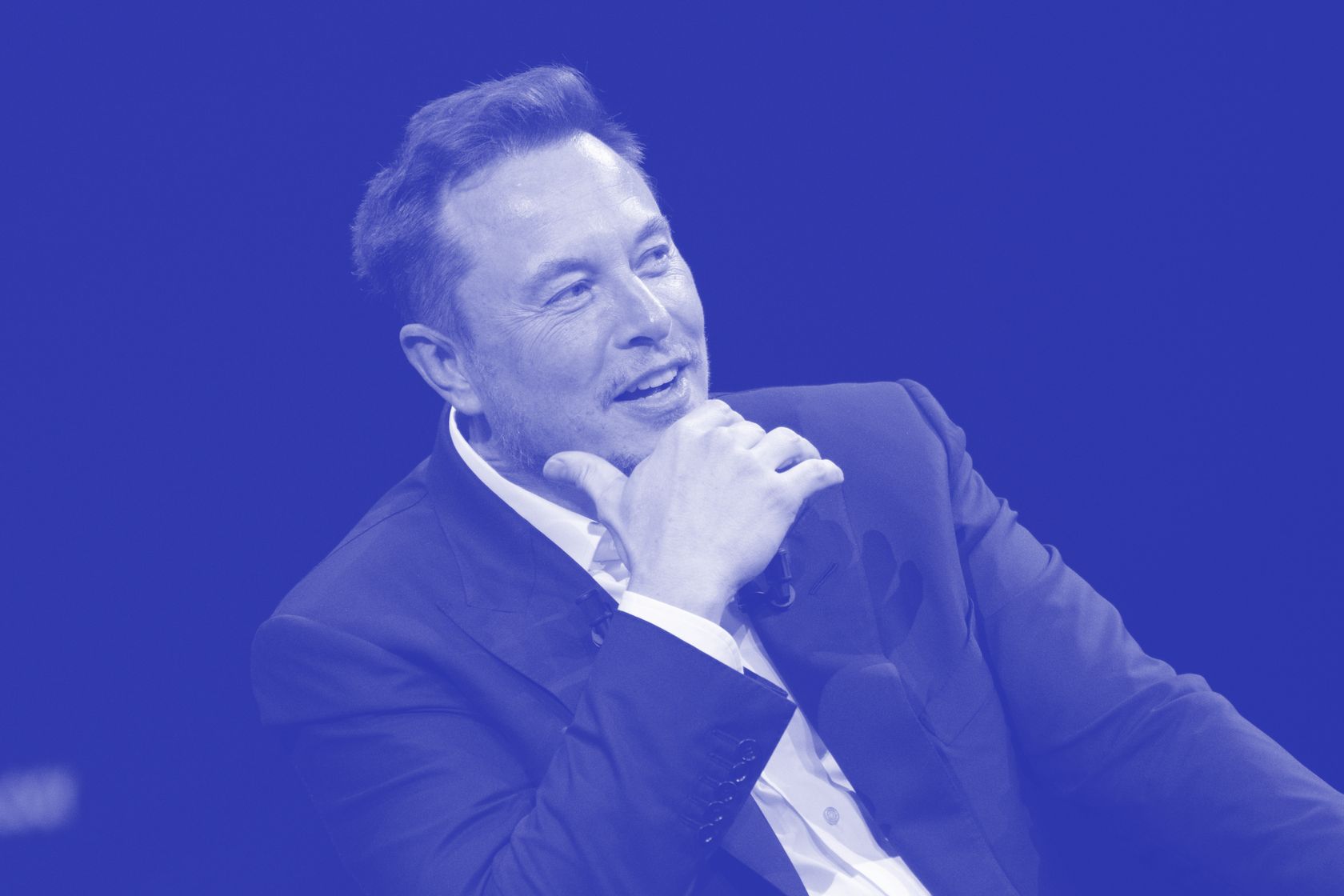
Musk fight: Elon Musk’s xAI and X Corp have sued Apple and OpenAI in US federal court in Texas, alleging they conspired to block competition in artificial intelligence. Court documents cited by media say Apple’s partnership with OpenAI makes ChatGPT the only generative AI chatbot integrated into the iPhone, giving it exclusive access to billions of user prompts and feedback. Musk’s companies claim Apple deprioritises competing chatbots in App Store rankings, stifling innovation and blocking rivals like X and xAI. The suit seeks billions in damages and a court order to stop the alleged “illegal arrangement.” OpenAI called the filing part of Musk’s “ongoing pattern of harassment.” Apple has not commented. Musk co-founded OpenAI a decade ago but later split from the company. He launched xAI less than two years ago, acquired X in March 2025 for USD33 billion, and is suing OpenAI separately in California. (Capital Brief)(WSJ)(Bloomberg)(Reuters)
2.
Big Copyright: A pioneering Victorian AI researcher whose work inspired ChatGPT has backed Scott Farquhar’s push to loosen copyright laws “at least” in line with the US. Calling existing copyright rules “purely extractive,” Answer.ai founder Jeremy Howard told Capital Brief that relaxing them would both be fairer and a way to attract investment from AI labs like OpenAI. "Copyright has its place, but it's gone far beyond the original plans for it thanks to corporate lobbying," Howard said on the sidelines of the Actuaries Institute's AI Con event, where he was keynote speaker. "Copyright has been created by Big Copyright. It used to be called the Mickey Mouse law because it was created in order to maintain the profits of Mickey Mouse." Copyright laws initially granted book publishers exclusive rights to their works for 14 years, but Australian copyright protections now last 70 years after the creators' death. (Capital Brief)
3.
Trump Tower: Donald Trump hosted South Korean President Lee Jae Myung at the White House on 25 August, hours after saying on social media that a “Purge or Revolution” seemed to be going on in the country and that “we can’t have that and do business there.” Trump later told reporters he had heard “very vicious raids on churches by the new government in South Korea” adding, “I don’t know if it’s true or not.” At the Oval Office, Trump used the meeting to raise the prospect of a new summit with Kim Jong Un, describing their relationship as “very friendly.” Lee asked Trump to help “in establishing peace on the Korean Peninsula” and joked that could be followed by building a Trump Tower in North Korea. Trump said the 15% tariff deal on South Korean imports could be renegotiated but “that doesn’t mean they’re going to get anything.” Lee promoted cooperation on shipbuilding and manufacturing, while Trump later said of the church raid reports, “I am sure it’s a misunderstanding.” (Reuters)(Bloomberg)(AP)
4.
Green refi: AirTrunk closed a $16 billion refinancing, which Bloomberg reported as the largest sustainability-linked financing ever in Asia Pacific and Japan. The loans, covering operational and in-progress data centres in Australia, Hong Kong, Malaysia and Singapore, involved more than 60 banks including Westpac, NAB and CBA, according to media reports citing a press release. The package combines sustainability-linked and green loans across multiple currencies, tied to targets on water consumption, renewable energy, net zero emissions by 2030 and gender pay equity. Reportedly heavily oversubscribed, the facility averages five-year tenures and refinanced earlier green loans, including a $2.7 billion Singapore facility. Blackstone and the Canada Pension Plan Investment Board acquired AirTrunk last year in a deal valuing it at more than $24 billion. The company is reportedly considering private placements, M&A and asset-backed bonds to fund growth, and treasurer Luke Stephens told Bloomberg it is sounding out investor appetite in the US and Europe for a securitisation. (Capital Brief)(Bloomberg)
5.
Brew buyout: S&P Global Ratings placed Keurig Dr Pepper on negative ratings watch in response to the beverage maker’s plan to acquire JDE Peet’s for €15.7 billion ($28.3 billion). The ratings agency is considering whether to downgrade Keurig’s rating to BBB-, from BBB, as the company plans to take on billions in debt to fund the acquisition. Keurig is planning to borrow €16.2 billion from Morgan Stanley and MUFG for the purchase, which it argues will make it the world’s largest pure-play coffee business. Keurig will pay €31.85 a share in cash for the Dutch firm, a 20% premium over its closing price on 22 August. Shares in JDE Peet's climbed over 17%, while Frankfurt-listed shares of Keurig Dr Pepper fell over 8%. Keurig said it plans to split its coffee and drinks business units into two independent, US-listed companies once the deal is completed. In other M&A news, Bloomberg reported the Pinault family is exploring the sale of its 29% stake in Puma, while PE firm Thoma Bravo is buying customer service software maker Verint Systems for USD1.23 billion in cash. (Bloomberg)(Capital Brief)(Keurig Dr Pepper)(FT)
6.
Israel-Hamas war: Israeli strikes on Nasser Hospital in southern Gaza on Monday killed at least 20 people, including journalists that worked for Reuters, The Associated Press and Al Jazeera. The hospital in Khan Younis was struck at around 10:10am local time on Monday and as journalists rushed up an external staircase to the site of the strike, a second missile hit. The second strike killed 17 people, the Associated Press (AP) reported. Israel’s military confirmed to the AP it had struck targets in the area of the hospital. It said it would conduct an investigation and “regrets any harm to uninvolved individuals and does not target journalists as such.” The AP, Al Jazeera and Reuters have confirmed their journalists and freelancers were among the five journalists killed. Meanwhile, Trump said the war in Gaza would reach a “conclusive ending” in the next two to three weeks, without elaborating on how. (AP)(Bloomberg)(Reuters)(Capital Brief)
7.
Chip stakes: Intel warned that a 10% stake by the US government in the chipmaker could risk its businesses by potential harm to international sales and threatening its ability to secure future grants from the government. An SEC filing submitted by Intel on Monday explained that sales outside the US accounted for 76% of Intel’s revenue for the 2024 fiscal year and that the stake could subject Intel to additional obligations such as foreign subsidy laws abroad. It also warns that the deal could result in other government entities trying to convert their existing grants into equity investments or that they might be unwilling to support future grants. Trump on Monday said: “I will make deals like that [Intel] for our Country all day long,” while US economic adviser Kevin Hassett said the deal is part of a broader White House strategy to create a sovereign wealth fund that could include more companies. (Intel SEC)(Reuters)(Capital Brief)
8.
Blocked windfall: Orsted, the Danish offshore wind developer, saw its shares fall as much as 19% to a record low after the Trump administration blocked construction of the almost-finished Revolution Wind project off Rhode Island. The US Bureau of Ocean Energy Management issued the stop-work order late Friday, citing national security and environmental concerns. The USD6.2 billion ($9.6 billion) wind farm, 80% complete with 45 of 65 turbines installed, was expected to supply electricity to 350,000 homes in Rhode Island and Connecticut next year. The suspension is the latest setback for Orsted, which has already seen its credit rating cut to the lowest investment grade and its shares fall more than 40% this year. The company said it will continue with a planned 60 billion-kroner rights issue, backed by the Danish government, to strengthen its capital structure. The order drew criticism from the governors of Connecticut and Rhode Island, who pledged to seek its reversal. (Reuters)(Bloomberg)(NYT)(Capital Brief)