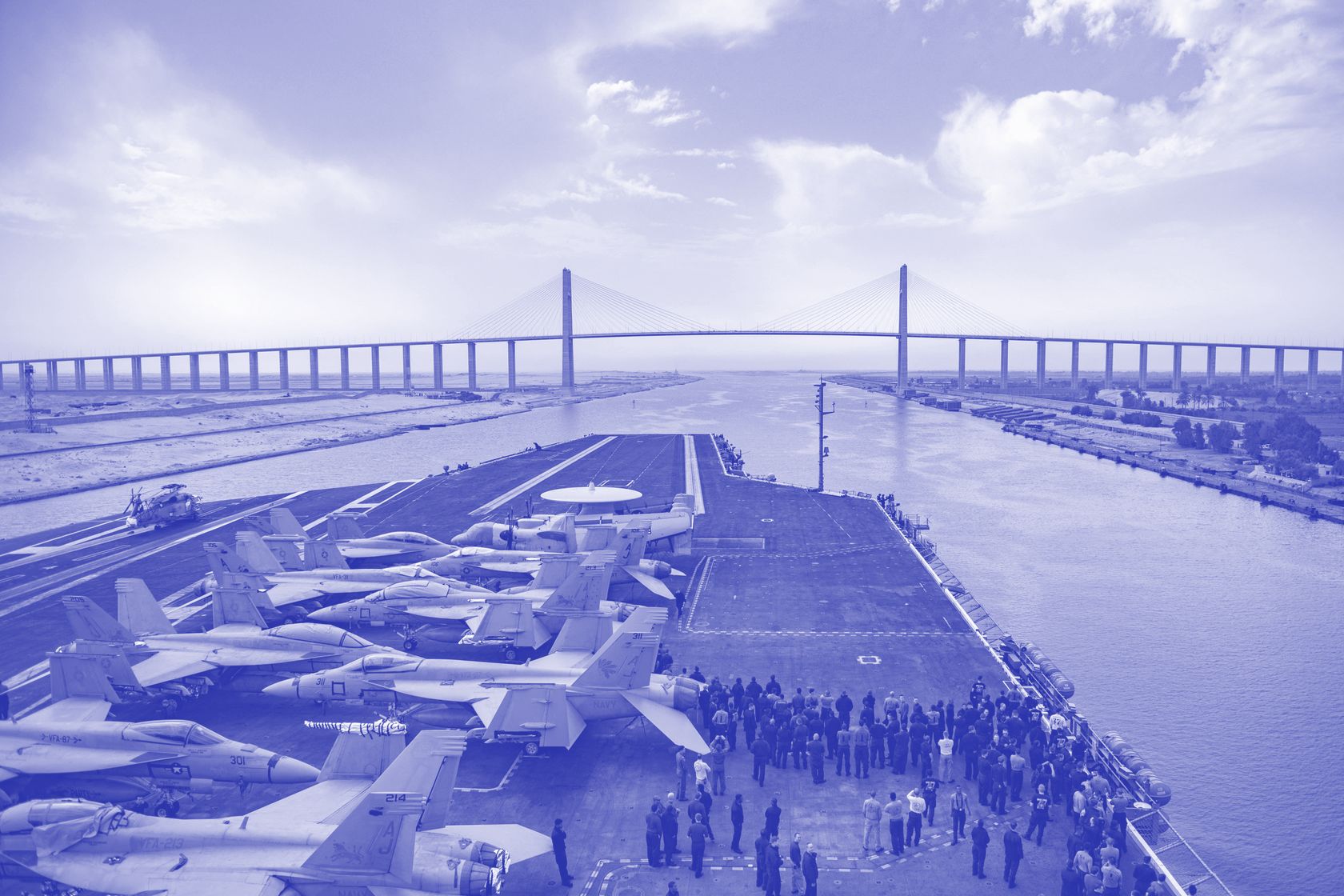
The conflict in the Middle East has extended beyond the ravaged Gaza Strip and into the Red Sea, where Iran-backed Houthi militants, in support of Hamas, are stepping up their attacks on merchant vessels traversing the vital global shipping route.
The escalating threat to global commerce prompted the United States on Tuesday to announce the creation of a multinational naval mission. But Houthi officials have insisted they will not be deterred, and spooked global shipping firms are already detouring around southern Africa.
It is stoking fears of a worldwide logistics logjam worse and lengthier than when a stuck container ship blocked the Suez Canal in 2021. And it risks delivering a blow to the global economy at a delicate time, ratcheting up prices for goods and energy just as inflation had looked to be easing. Oil prices have already shot up, with freight costs, insurance premiums, and shipping delays expected to mount — all with flow-on effects for Australia.
Worse still is the potential for a cascading regional conflagration, with reports that the US is considering possible military strikes against the Houthis at its Yemen operational base, in the event the multinational response and diplomacy fails to alleviate the situation. That opens up all sorts of unsavoury scenarios that the Pentagon would have war-gamed following the 7 October attacks by Hamas.