Nothing will quite rival the tectonic jolt to the world’s geopolitical axis if Donald Trump manages to engineer a return to the White House. But there’s another globally significant presidential election looming next year, and it's one that promises to be no less dramatic.
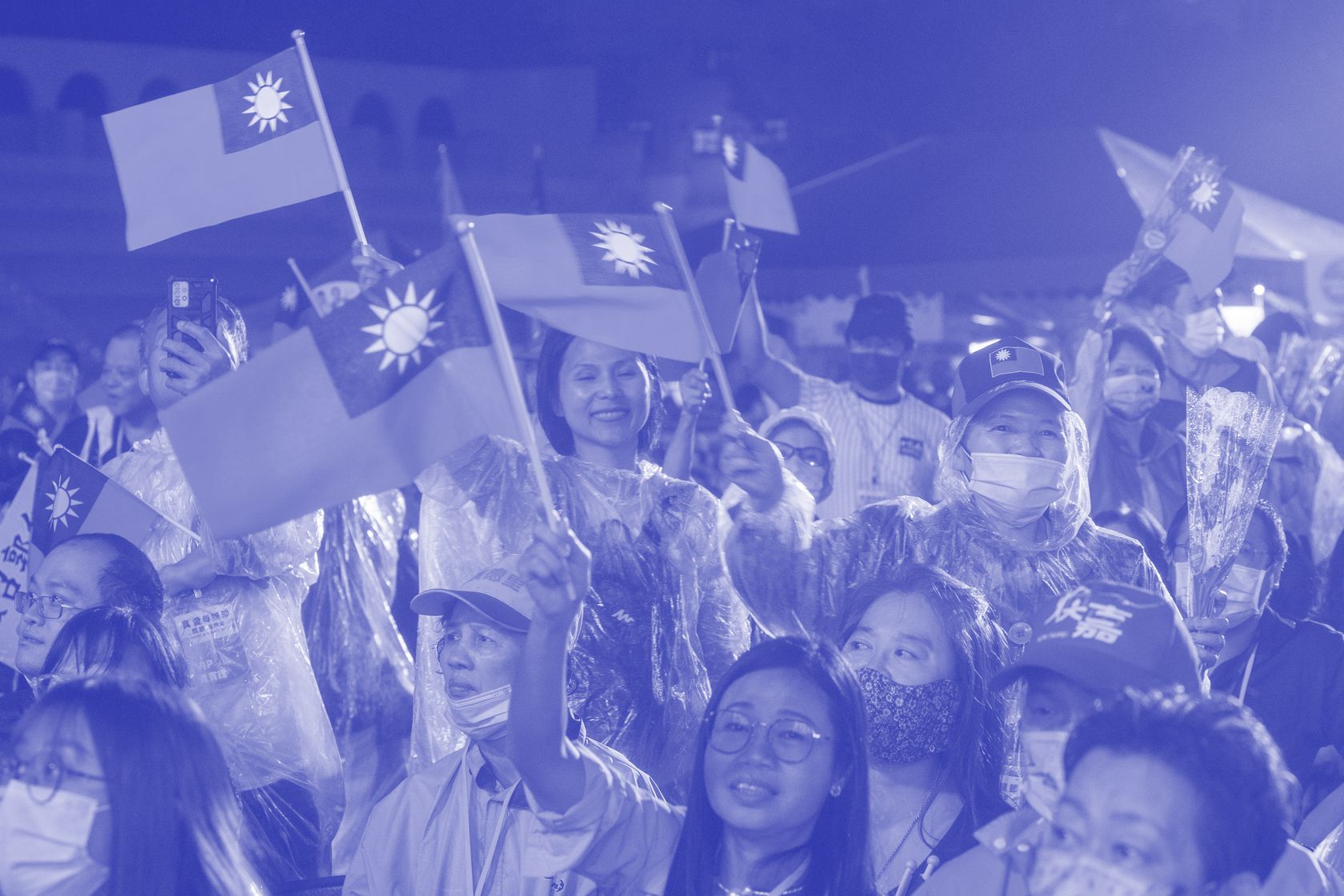
Taiwan will vote on 13 January in presidential elections it holds every four years. The new leader — incumbent Tsai Ing-wen is stepping down after reaching her two-term limit — will shape cross-strait relations and determine the trajectory of the region’s most consequential potential flashpoints between China and the United States.
China, which regards Taiwan as its own territory and has been ramping up military pressure on the democratically self-ruled island, looms larger than ever.
Frontrunner Lai Ching-te, the ruling Democratic Progressive Party’s current vice president, has framed the poll as a choice between advancing democracy or walking into the “embrace of China.” Meanwhile, the Kuomintang (KMT) or Nationalist Party, the largest opposition party which typically favours closer ties with Beijing, has gone as far as warning voters they are deciding between “peace and war.”