Tranche of Epstein Files released by US Justice Department
Plus: Nine drugmakers ink deal with Trump to lower prices; EU pledges EUR90 billion loan to Ukraine; Oracles pushes AI stocks toward stronger footing.

Good morning. Here's what happened overnight and what you need to know this weekend.
1.
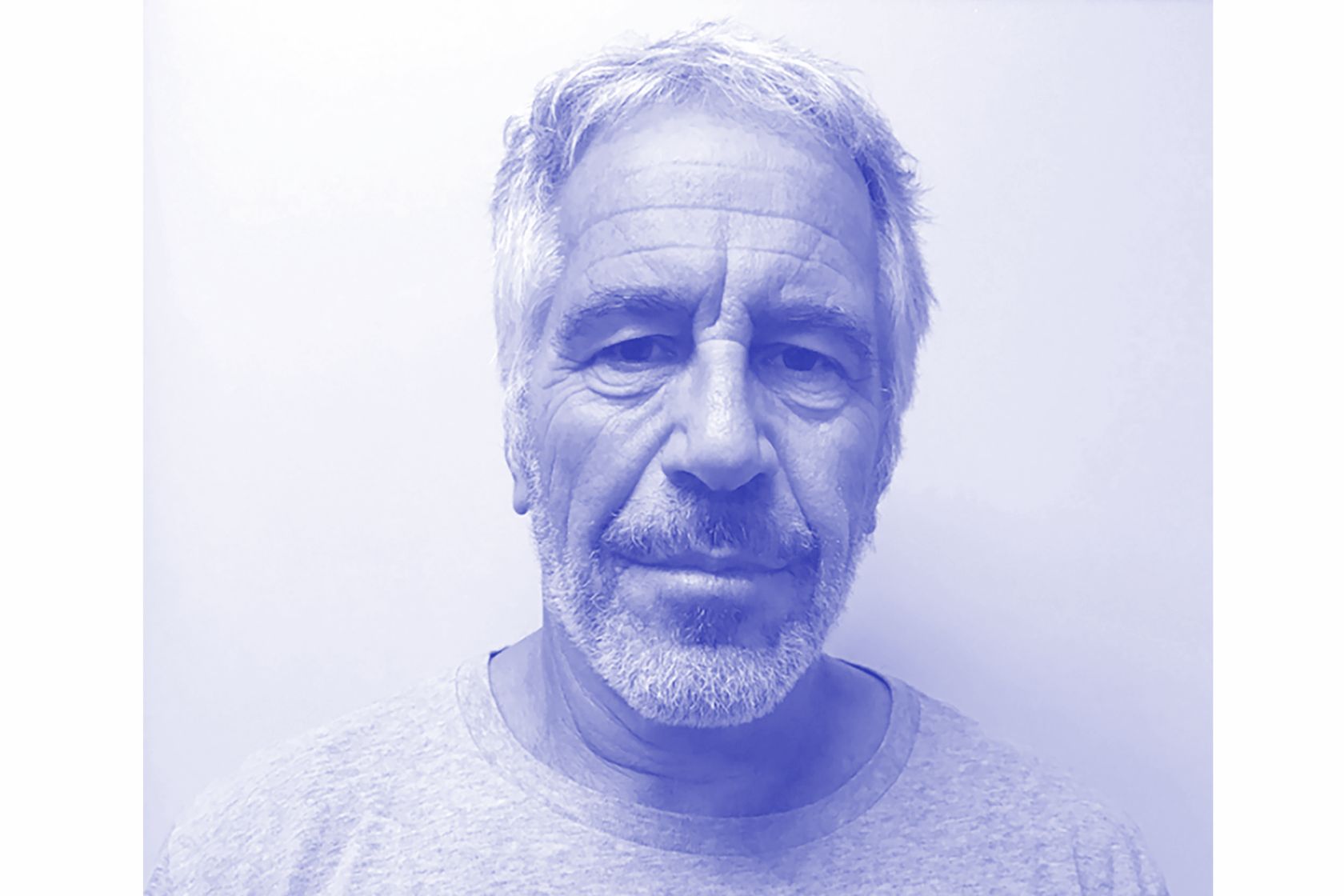
Epstein Library: The US Department of Justice (DOJ) released files from investigations into the late sex offender Jeffrey Epstein on Friday afternoon in Washington (8:00am Saturday). Last month US Congress passed the Epstein Transparency Act, compelling the DOJ to release all of the files by 11:59pm ET Friday (2:59pm AEDT Saturday). The Act requires disclosure of internal Justice Department memos, FBI interview notes with victims, personal communications, immunity agreements and more. It is not immediately clear how much new material is available on the DOJ’s website which features a new page titled “Epstein Library”. The page has a search box to search for keywords through the files. Efforts to search the library using keywords including ‘Epstein’, ‘Trump’, ‘Clinton’ generated no result messages. Earlier on Friday, Deputy Attorney General Todd Blanche told Fox News officials were reviewing files to ensure victims are protected and that further documents would be released in coming weeks. Senate Minority Leader Chuck Schumer slammed the DOJ, Attorney General Pam Bondi and Blanche for the partial release plan, saying that failing to release all of the files “is breaking the law.” (DOJ)(Capital Brief)(Bloomberg)(CNBC)(WSJ)
2.
Festive recovery: US stocks rose on Friday, lifted by Oracle's strong performance as the AI trade recovered momentum. The Nasdaq gained 1.3%, the S&P 500 closed up 0.9%, while the Dow Jones rose 182 points (0.4%). Oracle's shares climbed 6.8% after TikTok's Chinese owner ByteDance signed binding agreements with investors to operate its US operations through a new joint venture, including Oracle, Silver Lake and MGX. Oracle’s performance rippled across AI stocks including Broadcom and AMD, which climbed 3.2% and 6.1% respectively. Nvidia gained 3.9% on news the Trump administration is reviewing the prospect of authorising the AI leader to sell its advanced chips to China. Micron Technology's shares also lifted a further 7% today, extending Thursday's 10.2% climb on positive guidance. In deals, BioMarin Pharmaceutical agreed to buy Amicus Therapeutics for about USD4.8 billion, and Reuters reported that Morgan Stanley is tipped to be the front-runner to lead SpaceX’s expected mammoth IPO. (CNBC)(Reuters)(WSJ)(Bloomberg)
3.
Drug dealer: Nine more pharmaceutical companies committed to US President Donald Trump’s ‘most favoured nation’ drug pricing policy focused on bringing US drug prices in line with more affordable medications abroad. Roche’s Genentech unit, Novartis, Bristol-Myers Squibb, Gilead Sciences, Boehringer Ingelheim, Amgen, GSK, Sanofi and Merck have announced negotiated agreements with the administration on Friday, which were similar to the deals struck by drugmakers earlier this year. Sanofi said it will offer discounts of almost 70% on certain medicines to treat infections and cardiovascular and diabetic conditions, and Merck plans to offer three diabetes medications at a roughly 70% discount to cash-paying patients. The pledges mean 14 of the 17 drugmakers targeted by Trump earlier this year have agreed to lower prices for the Medicaid program for low-income and disabled people, to sell discounted drugs directly to consumers and to launch new medicines for the same prices in the US as they do abroad. Trump said that the discounted drugs will be rolled out on his direct-to-consumer website TrumpRX when it launches in the new year. (White House)(Capital Brief)(Bloomberg)(Axios)(CNBC)
4.
War chest: The European Union agreed to lend Ukraine EUR90 billion ($159.47 billion) over the next two years to fund its defence against Russia, after a proposal to use frozen Russian assets collapsed. The EU will fund the loan through joint debt raised on capital markets and will be backed by the Union’s budget. The deal was achieved after 16 hours of marathon talks between European leaders at a summit in Brussels. Ukraine won’t be expected to repay the loan until Russia compensates Kyiv with reparations. The loan marks a distinct shift from initial proposals to funnel to Ukraine EUR210 billion of frozen Russian cash, largely held in Belgium, which failed to proceed after Belgium demanded expansive guarantees to cover financial risk from the move. During Russian President Vladimir Putin’s annual address on Friday, he warned that the EU is struggling to carry out its “robbery” of Russia’s frozen assets “because the consequences could be severe for the robbers.” (FT)(Bloomberg)(Politico)(Reuters)(The Independent)(BBC)(WSJ)
5.
Beyond belief: Prime Minister Anthony Albanese will implement Australia’s first major gun buyback since 1996 in the wake of the Bondi terror attack. Albanese on Friday confirmed the scheme would apply to “surplus newly banned and illegal firearms” and is expected to see hundreds of thousands of weapons collected and destroyed. The Bondi attack has put Albanese under intense pressure, and Labor is privately fuming that the PM’s efforts to unify the country have been undercut by attacks from senior Coalition figures and parts of the media, attacks they see as deeply unfair. Capital Brief’s John McDuling writes that while it had looked as though 2025 would be defined by the AI boom ripping through global markets and the world order being rewritten by Donald Trump’s return to the White House, both of which the Albanese government arguably handled well, the reality is that those achievements now sit in the shadow of a tragedy that will stay with Australians for years to come. (Capital Brief)
6.
Good tenant: Google is in talks with Atlassian co-founder Mike Cannon-Brookes’ SunCable to be the lead tenant for a proposed data centre next to SunCable’s solar farm in the Northern Territory, according to sources cited by The Australian. The masthead reports that should the plan come to fruition, Google would use the data centre for AI deployment and that the centre would be the tech giant’s biggest globally. SunCable is also in talks with Google-backed American AI start-up Anthropic, which is now valued at $US183 billion ($277 billion), the paper reports. Google would pay hundreds of millions of dollars annually to buy gigawatts of renewable energy generated from solar power to run the data centre. In August, SunCable told Capital Brief that it "can enable Australia's strategic opportunity to become a global leader in AI data centres, powered by renewable energy”. (The Australian)
7.
Spill it: Activist shareholders Raper Capital and Collins Street Asset Management issued Humm Group a formal notice to call a shareholder meeting to consider its spill motion on Friday. Jeremy Raper, founder and chief investment officer at Raper Capital, told Capital Brief the meeting is slated for 19 February 2026 at the earliest. Humm disclosed on Wednesday that it had received a notice by the two investors, stating their intention to oust founder, chair and major shareholder Andrew Abercrombie, as well as fellow directors Robert Hines and Andrew Darbyshire. The move coincides with emerging speculation over recent trading activity by Abercrombie. In a note to clients, PAC Partners institutional equities trader James Nicolaou claimed Humm’s “huge spike” in trading volumes on Thursday was due to Abercrombie’s push to drive up his shareholding ahead of the spill vote. (Capital Brief)
8.
Copyright combat: New copyright licensing regimes for training AI systems proposed by the federal government do not adequately protect creators and authors from market power imbalances, intellectual property experts and the media union argue. The deficiencies have been highlighted in submissions to the Attorney-General’s Department, which closed consultation in early December. The urgency is at odds with the Productivity Commission’s (PC) call to “wait and monitor” for three years, detailed on Friday as one of a tranche of recommendations to boost productivity. The proposed options are for an extended collective licensing arrangement led by larger organisations that collect royalties on behalf of rightsholders or a compulsory statutory licence without the option to opt-out. But a joint submission for by a group of six intellectual property law experts, including University of Sydney centre for AI, trust and governance co-lead professor Kimberlee Weatherall and UNSW Professor Kathy Bowrey, is calling for greater author-protective measures. (Capital Brief)
Standup will return on 5 January.
