Good morning. Here’s what happened overnight and what you need to know today.
1.
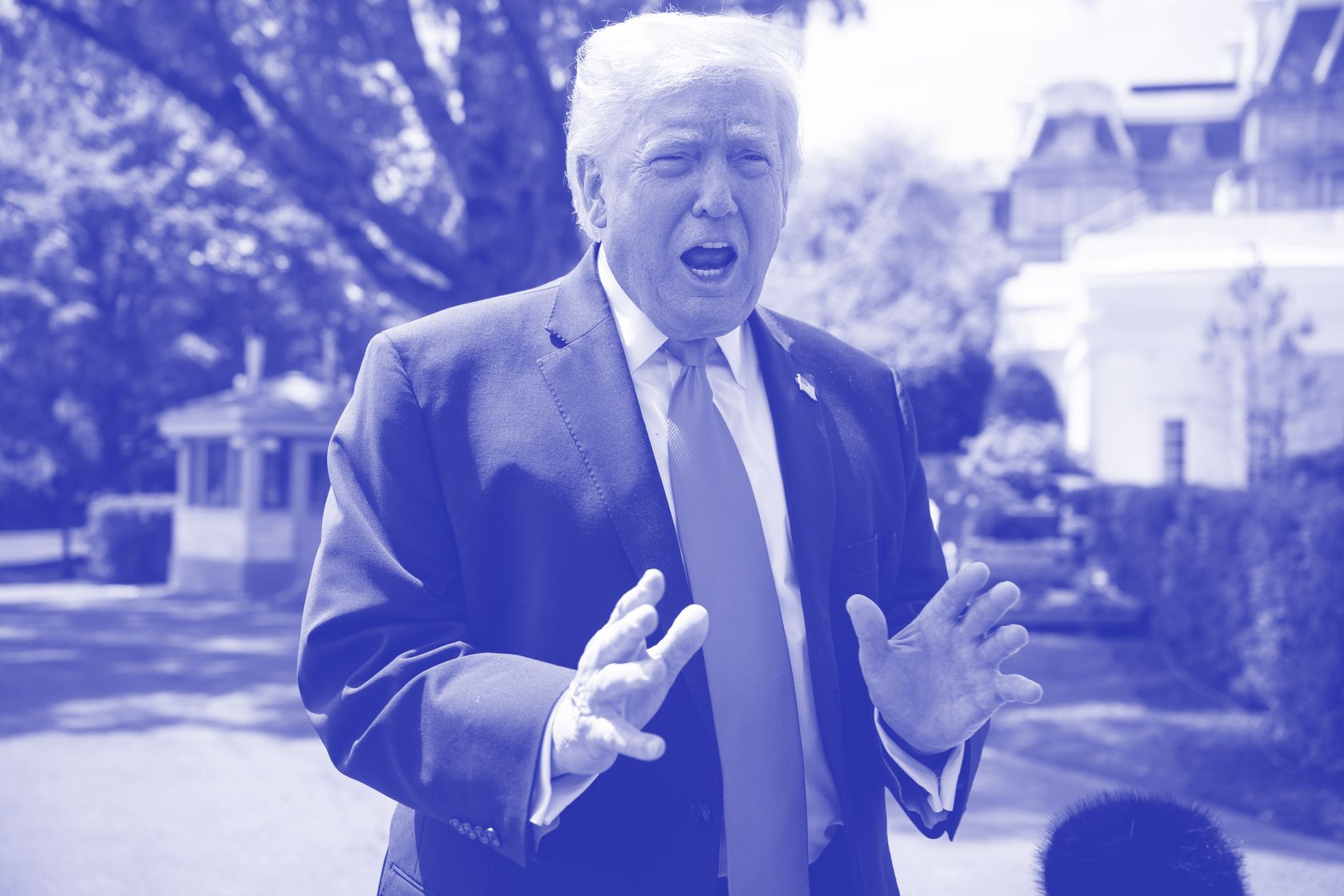
Ceasefire chaos: Israel and Lebanon agreed to a 10-day ceasefire, but Netanyahu immediately said Israeli troops would remain in southern Lebanon and Hezbollah warned it would resist any Israeli military presence, throwing the truce into doubt before it had even taken effect. Trump announced the truce after what he described as “excellent” conversations with Lebanese President Joseph Aoun and Netanyahu, who confirmed the agreement in a video statement saying Israel had “an opportunity to make a historic peace agreement with Lebanon.” The ceasefire, effective from 5pm ET Thursday (7am Friday AEST), requires Lebanon’s government to prevent Hezbollah attacks while Israel retains the right to self-defence but agreed not to carry out offensive operations. Trump said he would invite both leaders to the White House for their first direct talks since 1983, saying a meeting could take place within four to five days. The deal comes as the broader two-week US-Iran ceasefire, which expires next Tuesday remains fragile. Pakistan’s army chief Asim Munir met Iranian officials in Tehran on Thursday in a bid to extend the truce, but a second round of US-Iran talks remains unscheduled. Gulf Arab and European leaders privately believe a permanent deal could take six months, Bloomberg reported. Trump told reporters a deal was “looking very good”. (AP)(Capital Brief)(Reuters)(Bloomberg)(FT)
2.
Canva commits: Canva COO Cliff Obrecht finally has an answer to the question that has been hanging over Australia’s most valuable startup for years: the company is ready to go public. Next year. “From all metric accounts, we are fully IPO ready,” Obrecht told Capital Brief ahead of its Canva Create event. “We grew 40% last year off a massive base. We’ve been profitable for nine years.” But Obrecht, who co-founded the graphic-design platform with CEO Melanie Perkins and Cameron Adams in 2013, said Canva would not list until it had completed what he described as the most consequential shift in the company’s history — a transformation of its core business model to one built around artificial intelligence credits rather than feature-based subscription tiers. Obrecht went further than any Canva co-founder has publicly before, indicating when the company expects to list. “I assume it will be next year,” he said, telling Bloomberg he’d be surprised if the float didn’t occur by the end of 2027. “You IPO for three reasons,” he told Capital Brief. “Liquidity, to raise capital, or for marketing purposes”. With liquidity the only genuine rationale for Canva to list, he said: “We want to be a liquid company and provide that liquidity without doing sort of annual liquidity events.” (Capital Brief)