Good morning. Here’s what happened overnight and what you need to know today.
1.
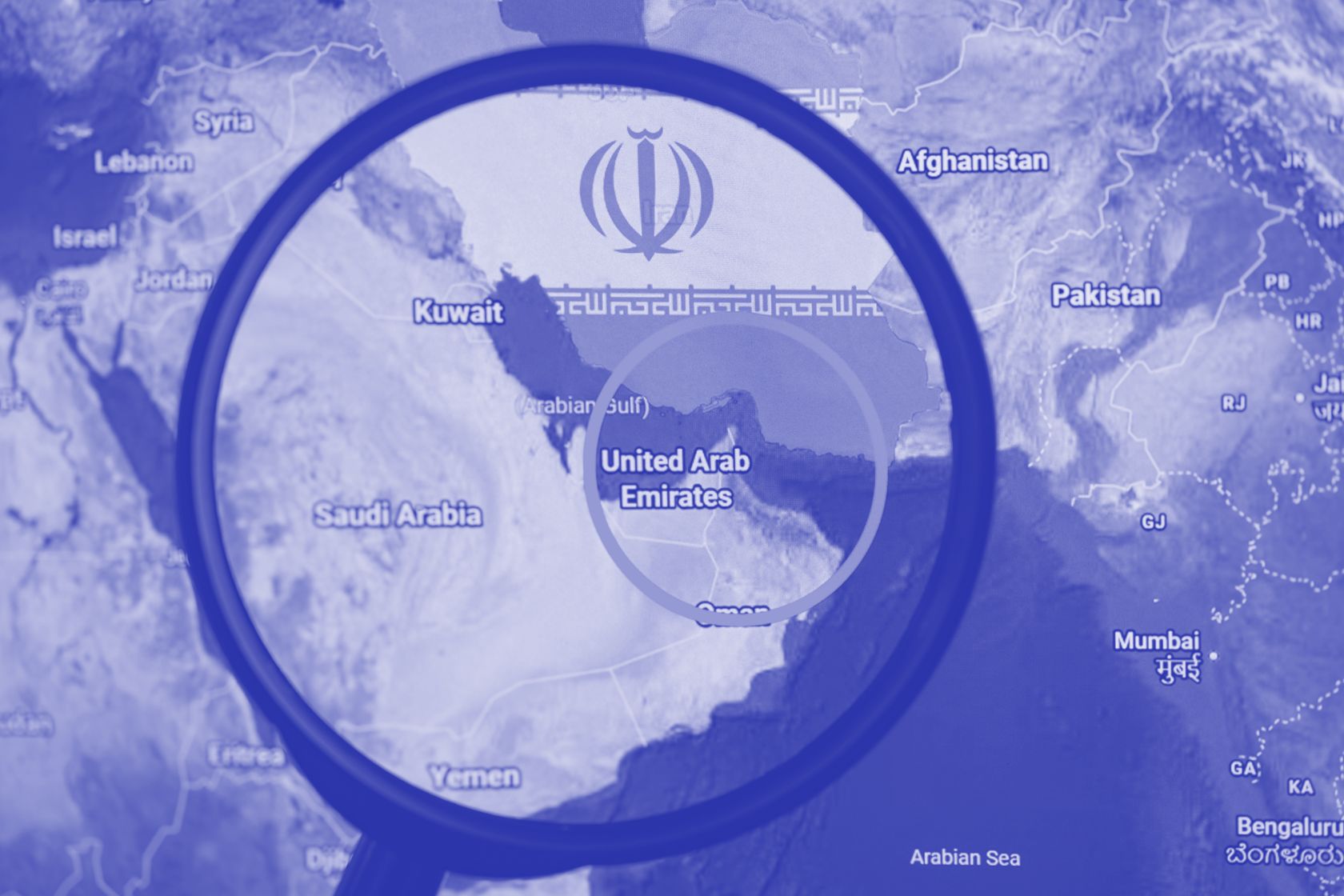
Hormuz deadlock: Donald Trump ordered a naval blockade of the Strait of Hormuz after 21 hours of historic US-Iran peace talks in Islamabad ended without a deal, threatening to deepen a global energy crisis and putting a fragile ceasefire (due to end 22 April) in doubt. The US president made the announcement as VP JD Vance departed Pakistan empty-handed from the highest-level direct talks between the two countries since diplomatic relations were severed after the 1979 Islamic Revolution. Trump also ordered the navy to “interdict” any vessel that had paid Iran a transit toll, saying “no one who pays an illegal toll will have safe passage on the high seas.” According to reports from The New York Times, citing Iranian officials, three issues proved insurmountable: the reopening of the strait, the fate of nearly 900 pounds of highly enriched uranium and Iran’s demand for approximately USD27 billion in frozen revenue held in Iraq, Luxembourg, Bahrain, Japan, Qatar, Turkey and Germany to be released for reconstruction. Vance said Iran refused to give an “affirmative commitment” not to seek nuclear weapons. Iran’s lead negotiator Mohammad Bagher Ghalibaf said that despite Iran raising “forward-looking initiatives,” the US had been unable to gain the trust of the Iranian delegation in this round of talks, and that it was now up to Washington “to decide whether it can earn our trust or not.” Oil prices will now face renewed upward pressure. (Capital Brief)(Donald Trump post)(FT)(NYT)(AP)
2.
Fuel diplomacy: Prime Minister Anthony Albanese and Foreign Minister Penny Wong will travel to Brunei and Malaysia this week to secure the two-way trade of energy supplies, fertiliser and critical goods, as Treasury warns the war could push grocery prices up 3% to 4% and Australians brace for a “long tail” of economic pain. About 60% of Australia’s urea typically passes through the Strait of Hormuz, Agriculture Minister Julie Collins told Sky News. Infrastructure Minister Catherine King also told ABC News that Australia is operating at level 2 of its four-tier National Fuel Security Plan. The government will launch a $20 million info campaign dubbed “Every Little Bit Helps” encouraging households to reduce fuel use, as the crisis reshapes the 12 May budget in real time. Treasurer Jim Chalmers told a pub event in his Queensland electorate the package would focus on fuel security, supply chain resilience and economic reform. Meanwhile, Albanese ruled out means-testing the NDIS but did not rule out limits on how many properties could be negatively geared, Nine newspapers reported. (Capital Brief)(Bloomberg)(The Guardian)(SMH)