Trump signals Iran war could be over soon sending oil lower, Wall St surging
Plus: Trump says Iran soccer players taken care of by Albanese; Wall Street fights back after oil’s historic swing; Anthropic sues Pentagon claiming unconstitutional retaliation over AI limits.

Good morning. Here’s what happened overnight and what you need to know today.

1.
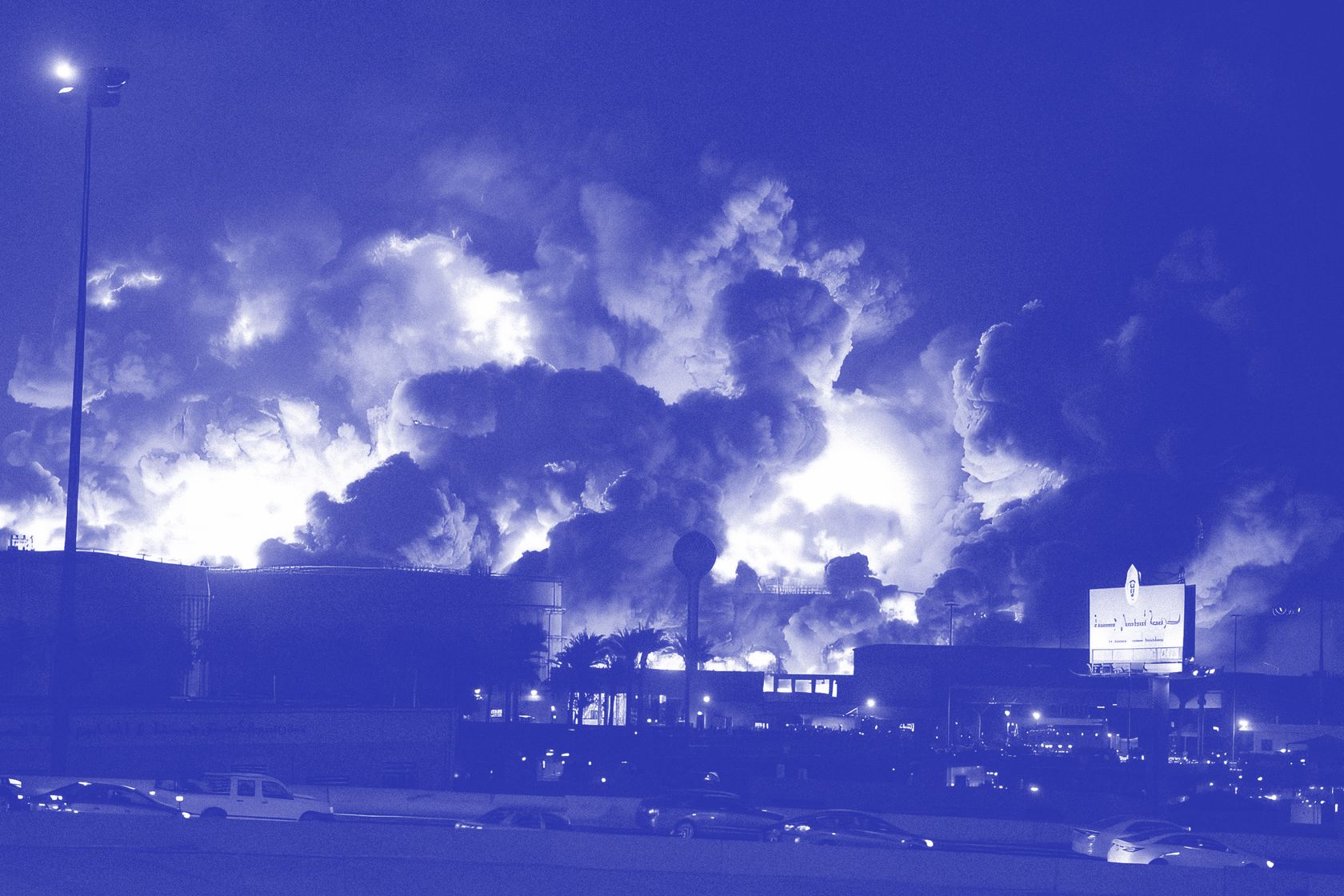
Iran War: Donald Trump said he had “a plan for everything” and signalled the war could be over soon, as surging oil prices piled pressure on the 10th day of the US-Israel war on Iran, with G7 finance ministers holding off on releasing strategic reserves while pledging they stood ready to act. Oil had surged to nearly USD120 a barrel, its biggest intraday move on record, before paring gains to around USD99 after G7 finance ministers met on Monday but stopped short of releasing reserves. In a CBS interview Trump reportedly said the war could be over soon, pulling oil down to around USD90. Earlier CNBC reported, citing sources, that G7 energy ministers will meet on Tuesday and that “the US believes a joint release of 300 million to 400 million barrels, representing 25% to 30% of the 1.2 billion barrels in the reserve, would be appropriate,” it said. Meanwhile, a report from Reuters said the White House was reviewing a set of options to tame oil prices, including restricting US exports, intervening in oil futures markets, waiving some federal taxes and lifting Jones Act requirements that domestic fuel move only on US-flagged ships. Earlier, Saudi Arabia began cutting oil production as the Strait of Hormuz remained effectively closed, which Washington-based Rapidan Energy Group said had created the largest oil disruption in history, surpassing the Suez crisis. It came after Iran’s Assembly of Experts, a council of 88 senior clerics, named Mojtaba Khamenei, 56, as the country’s new supreme leader, despite Trump having declared him “unacceptable”. In the CBS interview, Trump also reportedly said he had someone in mind to replace Khamenei. The Islamic Revolutionary Guard Corps pledged full obedience. Bahrain’s state energy company Bapco declared force majeure after Iranian drones struck its only oil refinery, injuring 32 civilians including a two-month-old child. Also, NATO intercepted the second Iranian ballistic missile over Turkey in five days. The Pentagon identified its seventh war fatality as Army Staff Sergeant Benjamin Pennington, 26, who died from wounds sustained last week at Prince Sultan Air Base in Saudi Arabia. In Lebanon, 486 people have been killed and more than 600,000 displaced since Israeli strikes began, according to Lebanese state media citing the country’s health ministry. (NYT)(AP)(Reuters)(FT)(Bloomberg)(WSJ)(Capital Brief)(CNBC)
2.
Great escape: Donald Trump said five members of Iran’s women’s soccer team in Australia had been “taken care of” after speaking with Prime Minister Anthony Albanese, whom he praised for doing a good job handling “a rather delicate situation”. His comments seemed to bring to a head a standoff that had gripped Australia after the players broke free from government minders at their Gold Coast hotel to seek police protection, rather than return to Iran. The players had refused to sing the national anthem before their opening Women’s Asian Cup match against South Korea last week, prompting an Iranian state television presenter to brand them “wartime traitors.” The team was eliminated on Sunday after a 2-0 loss to the Philippines, triggering fears they would be sent home to a country at war. Just hours before, Trump had warned Australia it was making a “terrible humanitarian mistake,“ saying the women would “most likely be killed” if forced to return, and that “the US will take them if you won’t.” NSW Anti-Slavery Commissioner James Cockayne called for an urgent investigation into potential modern slavery offences, saying the women had been denied freedom of movement and speech while in Australia. Separately, EU foreign policy chief Kaja Kallas said in a speech in Brussels that the bloc would sign a defence partnership with Australia in the coming days, its tenth such bilateral security agreement, alongside new pacts with Iceland and Ghana. (Capital Brief)(SMH)(ABC)
3.
War and markets: Global markets staged a recovery after oil pulled back sharply from historic highs, with Wall Street paring early losses as investors bet on an imminent release of emergency crude reserves. The S&P 500 was trading over 1% higher in late afternoon in New York, the Dow Jones up 0.58% and the Nasdaq 1.22% higher, after a sharp recovery of earlier lows. The wild session had begun overnight when Brent crude surged to USD119.50 a barrel, its highest since 2022 and the largest intraday move on record, before retreating to just under USD99 after G7 finance ministers pledged they “stand ready” to release strategic stockpiles. Reports that Trump told CBS the war could be over soon triggered gains in all three major US benchmarks and pushed US crude to around USD90 in post-settlement trading, according to Bloomberg. Asian markets bore the brunt of earlier selling, with South Korea’s Kospi plunging 6% and Japan’s Nikkei falling over 5%. JPMorgan head of global market intelligence Andrew Tyler turned tactically bearish, warning of a potential 10% correction in the S&P 500, while veteran strategist Ed Yardeni raised his probability of a market meltdown to 35% for the rest of the year, up from 20%. Stagflation was “the main economic scenario being discussed,” said Marc Chandler at Bannockburn Capital Markets. Analysts at Barclays, Capital Economics, Rystad Energy and Macquarie all raised their oil price forecasts, with some warning Brent could reach USD150 a barrel in a worst-case scenario. Dan Yergin, energy historian and S&P Global vice chairman, called the disruption the largest in history, saying “nothing like this on this scale has occurred before.” (Bloomberg)(Reuters)(WSJ)(FT)
4.
Model citizen: Anthropic filed two lawsuits accusing the Trump administration of unconstitutional retaliation, after the Pentagon declared the AI company a supply-chain risk for refusing to remove restrictions on military use of its technology. The AI giant argued the government had gone beyond its statutory authority with “harsh retaliation” because Anthropic would not agree to the Pentagon’s demands, and that it was “being punished for disagreeing with the administration.” In filings in federal court in California and the US Court of Appeals in Washington, Anthropic reportedly asked judges to declare the designation unlawful and block federal agencies from enforcing it. “These actions are unprecedented and unlawful. The Constitution does not allow the government to wield its enormous power to punish a company for its protected speech,” the AI company said in the filings, according to reports, adding the government was “seeking to destroy the economic value created by one of the world’s fastest-growing private companies.” The designation, normally reserved for foreign adversaries, was formally delivered to Anthropic last week after US Secretary of War Pete Hegseth demanded the company remove its guardrails against using its AI for autonomous weapons and domestic mass surveillance. CEO Dario Amodei refused, saying the current generation of AI was not reliable enough for fully autonomous weapons. Anthropic said it remained open to a negotiated settlement. (Capital Brief)(NYT)(Reuters)(Bloomberg)(FT)(WSJ)
5.
Trump drones: Eric Trump and Donald Trump Jr are backing a new drone company aimed at meeting demand from the US Department of Defense and plugging the hole left by the administration’s ban on any new Chinese drones in the US. A drone roll-up company based in Florida, Powerus, will merge with a publicly traded golf-course holding company, Aureus Greenway Holdings, which is funded by President Trump’s sons. The merger will ultimately see Powerus become a listed company on the Nasdaq stock exchange in the coming months. Investors in the deal include one of the Trumps’ investment vehicles, American Ventures, and Unusual Machines. Dominari Securities, the Trump brothers-backed investment bank, advised on the deal. Powerus CEO Andrew Fox told the WSJ the reverse merger would provide Powerus access to the public capital markets, giving the company the funding it needs to scale manufacturing and acquire more companies. (Aureus Greenway Holdings)(Capital Brief)(WSJ)
6.
Kraken on: New York-based exchange Nasdaq Inc will partner with crypto exchange Kraken and other issuing companies to build out its plan to offer tokenised stocks through its exchange. The exchange operator said its plans for tokenising stocks and exchange-traded products will focus on corporate governance and simplifying or automating proxy voting or corporate actions like dividend payments. Payward, parent company of Kraken, will design a gateway for tokenised equities to move between regulated markets and on-chain markets. The bourse expects the program to be operational from H1 2027. As part of the strategy, Kraken will become a distribution partner to Nasdaq, making the one-to-one tokenised versions of public company stocks available to Kraken’s customers in Europe and around the world. The initiative will be open to all issuers, including those not listed on the Nasdaq. Nasdaq said the initiative builds upon Nasdaq’s tokenisation proposal, filed with the US Securities and Exchange Commission in September 2025.(Nasdaq)(WSJ)(Bloomberg)(Capital Brief)
7.
Hot N Cold: The High Court will hand down its eagerly awaited decision in the Katy Perry trade mark case on Wednesday, before it tackles a March list that includes its first cryptocurrency case. Perry, the global pop star who is now dating former Canadian Prime Minister Justin Trudeau, will be hoping the court agrees with a 2024 Full Federal Court ruling that the trademark of Melbourne designer Katie Perry should never have been registered in 2009. At the hearing in September, the court examined the concept of global trade marks and whether there was any commercial activity that would not be covered. The Perry case is the middle pin of three intellectual property cases in the High Court that lawyers hope will clarify when “acting with knowledge” of another brand or registration becomes unlawful. Aparna Watal, a partner at Halfords IP, told Capital Brief that if the Australian designer wins the Perry case “then the register becomes more secure”. (Capital Brief)
8.
Ticketed off: Live entertainment and ticketing giant Live Nation reached a tentative settlement with the US Justice Department in an antitrust case accusing it of illegally monopolising the live music industry, avoiding a forced sale of its Ticketmaster subsidiary but throwing the trial into chaos as a majority of state attorneys general rejected the deal and vowed to fight on. Justice Department lawyer Andrew Kline told the Manhattan federal court on Monday that both sides had signed a binding preliminary agreement on Thursday evening, but neither informed presiding judge Arun Subramanian until late Sunday. He called that “absolutely unacceptable” and ordered officials from both parties to appear before him on Tuesday New York time (Wednesday AEDT). Under the terms, Live Nation would pay up to USD280 million ($397.8 million) in damages, open its ticketing platform to rivals and divest at least 13 amphitheatres, The Associated Press reported citing a senior DOJ official speaking on condition of anonymity. Bloomberg, also citing a DOJ official, added the deal would cap ticket fees at 15% at large venues. Shares rose about 6% on the news. (Capital Brief)(AP)(Reuters)(Bloomberg)
