Trump’s Gaza takeover plan slammed globally
Plus: Alphabet and AMD shares take AI tumble on disappointing outlook; Nissan slams brakes on Honda merger; Trump calls for immediate “verified nuclear” deal with Iran.


Good morning. Here's what happened overnight and what you need to know today.

1.
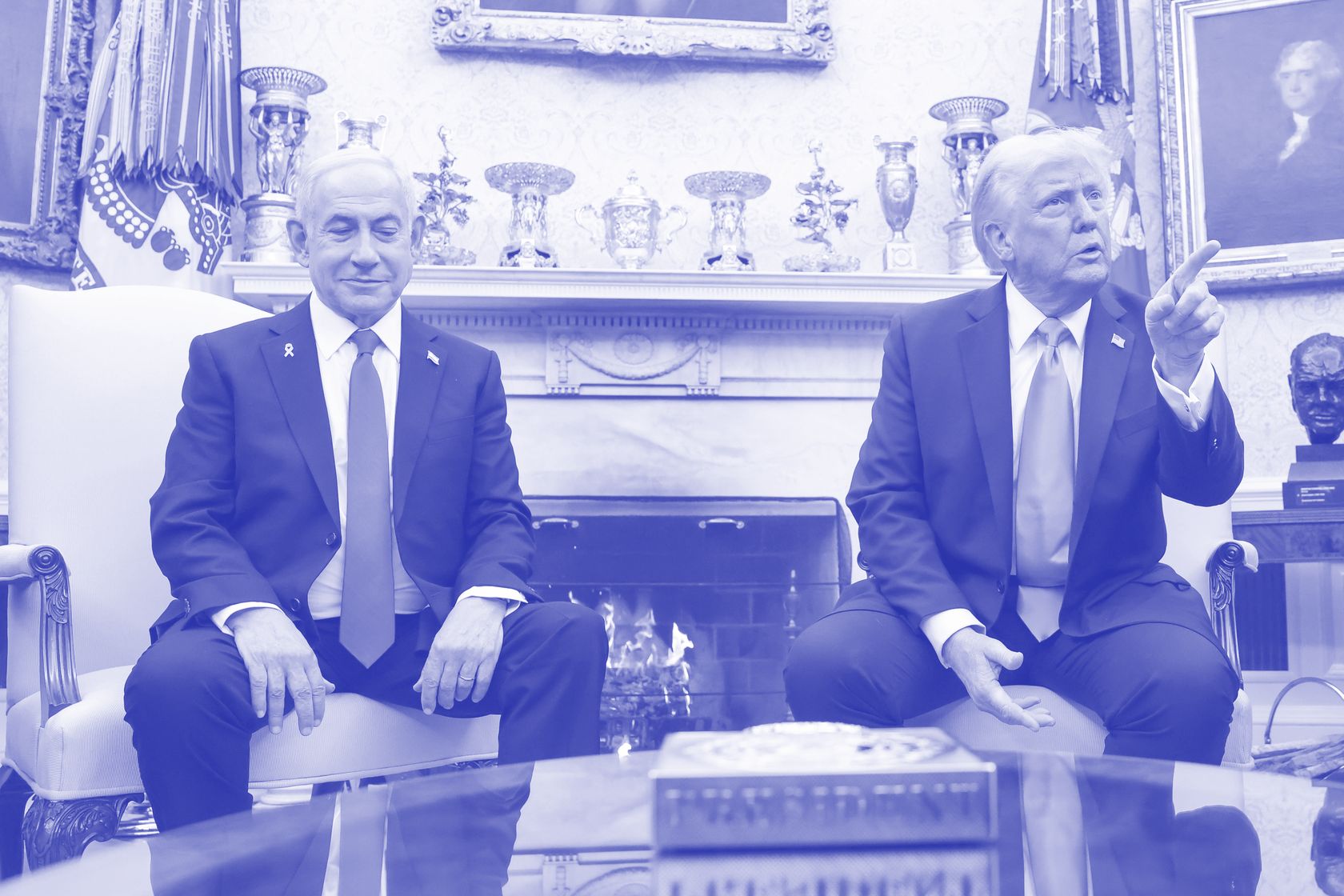
ME Riviera fallout: Donald Trump’s plan for the US to take over Gaza and relocate its roughly 2 million Palestinian residents to Jordan, Egypt and other regional countries—so he can, in his words, turn the enclave into the "Riviera of the Middle East"—has been widely condemned. On Wednesday (Thursday AEDT), Jordan’s King Abdullah rejected any attempts to annex land or displace Palestinians. Egypt said it would support Gaza’s recovery without Palestinians leaving the territory. Saudi Arabia also opposed any displacement and reaffirmed it would not normalise relations with Israel without an independent Palestinian state. Turkey called the idea "absurd." Meanwhile, Gaza residents vowed to stay even as they feared another "Nakba" (catastrophe). A Hamas official warned the plan could "ignite the region" but said the group remained committed to the ceasefire accord with Israel. Trump suggested the US might send troops to secure Gaza, though his national security adviser, Mike Waltz, downplayed a shift in policy. "I certainly didn't hear the President say it was the end of the two-state solution," he told CBS News. Israeli Prime Minister Benjamin Netanyahu praised Trump’s “fresh ideas”, while European leaders condemned the proposals and legal experts argued it violates international law, which prohibits the forced transfer of civilian populations. (Reuters)(NYT)(WSJ)(Capital Brief)
2.
AI angst: Shares in Alphabet and AMD were leading losses in tech stocks, with Alphabet shares dropping as much as 8.57% on weaker-than-expected cloud growth and a USD75 billion ($119.21 billion) AI spending plan, while AMD shares fell almost 11% after its AI chip revenue missed forecasts. Meanwhile, Alphabet introduced cheaper AI models to counter DeepSeek’s low-cost alternative and predicted commercial quantum computing applications within five years, challenging Nvidia’s Jensen Huang 20-year estimate. Broadcom and Nvidia shares were rising on Alphabet’s AI infrastructure spending, while Amazon and other cloud rivals declined. Uber also dropped due to weak bookings guidance. (Reuters)(Bloomberg)(Capital Brief)
3.
Takeover drama: Nissan’s board has decided to scrap merger talks with Honda after the two Japanese automakers were unable to agree on acceptable terms, rejecting a deal worth over USD60 billion ($95.58 billion), the Nikkei reported citing unnamed sources. Talks soured after Honda proposed making Nissan a subsidiary rather than pursuing the initially planned joint holding company, the sources said. Nissan informed Honda on Tuesday of its intention to halt talks, and the board met Wednesday to discuss ditching the MOU signed in December regarding the integration. In statements to media, Nissan and Honda said the Nikkei report did not reflect official company announcements and that they planned to determine and disclose their future direction by mid-February. Nissan’s stock dropped more than 4%, triggering a temporary Tokyo Stock Exchange halt, while Honda’s shares rose over 8%. (Capital Brief)(Nikkei)(Financial Times)(Reuters)
4.
Nuclear deal?: Donald Trump called for an immediate “verified nuclear peace agreement” with Iran, denying reports that the US and Israel are preparing military action as “greatly exaggerated.” In a post Trump said: “I would much prefer a Verified Nuclear Peace Agreement, which will let Iran peacefully grow and prosper.” It came a day after he signed an executive order reinstating a “maximum pressure” sanctions policy, aiming to cut Iran’s oil exports to zero. Iran has signalled willingness to engage in diplomacy. Iranian Foreign Minister Abbas Araqchi said US concerns over nuclear weapons could be resolved, while President Masoud Pezeshkian downplayed the impact of sanctions, calling Iran “powerful and resource-rich.” Meanwhile Iran, through state media, seemed to welcome the Trump administration's move to gut USAID. The move halted funding for pro-democracy activists and opposition groups in Iran. (CNBC)(Reuters)(FT)(Bloomberg)
5.
Parcel U-turn: The US Postal Service (USPS) reversed a temporary suspension of parcels from China and Hong Kong, adding to confusion among retailers and shipping firms following US President Donald Trump’s removal of the "de minimis" duty exemption for packages under $800 ($1,272). The policy change came amid new 10% tariff on China imports. USPS said it was working with US Customs and Border Protection to minimise disruptions, while logistics providers warned of increased customs scrutiny and delays. China has retaliated with tariffs on US coal, liquefied natural gas crude oil and farm equipment, and antitrust investigations into American tech giants including Google. Bloomberg reported Wednesday that Chinese regulators are also considering a probe into Apple’s app store fees and policies, including its commission structure and restrictions on third-party payment services. Elsewhere, Jeff Bezos’s USD10 billion Earth Fund has reportedly stopped backing the Science Based Targets initiative, with insiders linking the move to his growing ties with Trump as Big Tech scrambles for political cover. (Bloomberg)(Reuters)
6.
Trade trouble: The US trade deficit widened 24.7% to USD98.4 billion ($156.43 billion) in December, the highest since March 2022, as imports grew to a record USD364.9 billion (up 3.5%) while exports fell 2.6% to USD266.5 billion, official data showed. The full-year 2024 trade gap increased 17% to USD918.4 billion, the largest since 2021. Goods imports rose 4% to USD293.1 billion, with industrial supplies and materials up USD10.8 billion, mostly from a USD9.2 billion rise in finished metal shapes amid steel and aluminium tariffs. Exports of goods dropped 4.2% to USD170.2 billion, led by declines in consumer goods, industrial supplies and capital goods. The goods deficit with Canada grew by USD2.9 billion, while the shortfall with Mexico shrank. Meanwhile, (Reuters)
7.
French respite: French Prime Minister François Bayrou survived an initial no-confidence vote in parliament on Wednesday (Thursday AEDT), with 128 lawmakers supporting the motion—well short of the 289 needed. The motion was introduced by the far-left La France Insoumise (LFI) after Bayrou used Article 49.3 to pass the 2025 budget without a vote. A second no-confidence vote scheduled for later in the day was being examined in the wake of the vote. The far-right National Rally and centre-left Socialists did not back the motion, arguing that France needed a budget. France has faced political instability since President Emmanuel Macron’s snap election in June resulted in a hung parliament. Finance Minister Eric Lombard called the failure of the motion “a good thing” for France.(Reuters)(Le Monde)
8.
Moana magic: Walt Disney beat 1Q earnings expectations for 2025, driven by Moana 2’s success and higher streaming profits. Adjusted earnings per share rose 44% to USD1.76 per share ($2.80), surpassing analysts’ estimate of USD1.45. Revenue grew 5% to USD24.7 billion with Moana 2 grossing over USD1 billion globally. Streaming, including Disney+, Hulu and ESPN+, posted a USD293 million profit, up from a USD138 million loss a year earlier and exceeding expectations by about USD100 million – even as Disney+ subscribers fell 1% to 124.6 million after a price hike. " The streaming business is doing extremely well. The expectation is that we will continue to grow subscribers," Finance chief Hugh Johnston said. Theme park profits were flat at USD3.1 billion, while traditional TV profits fell 11% to USD1.1 billion. CEO Bob Iger called the quarter a “strong start” to the year. Disney expects high single-digit adjusted earnings growth in 2025. (Capital Brief)(Disney statement)(Bloomberg)(WSJ)
