UK debt costs spiral as markets lose trust
Plus: Star lenders warn casino headed for administration, says AFR; Gas glut to ease Aussie price pain, says ACCC, US Fed officials signal rate cuts caution amid surging yields.


Good morning. Here's what happened overnight and what you need to know today.

1.
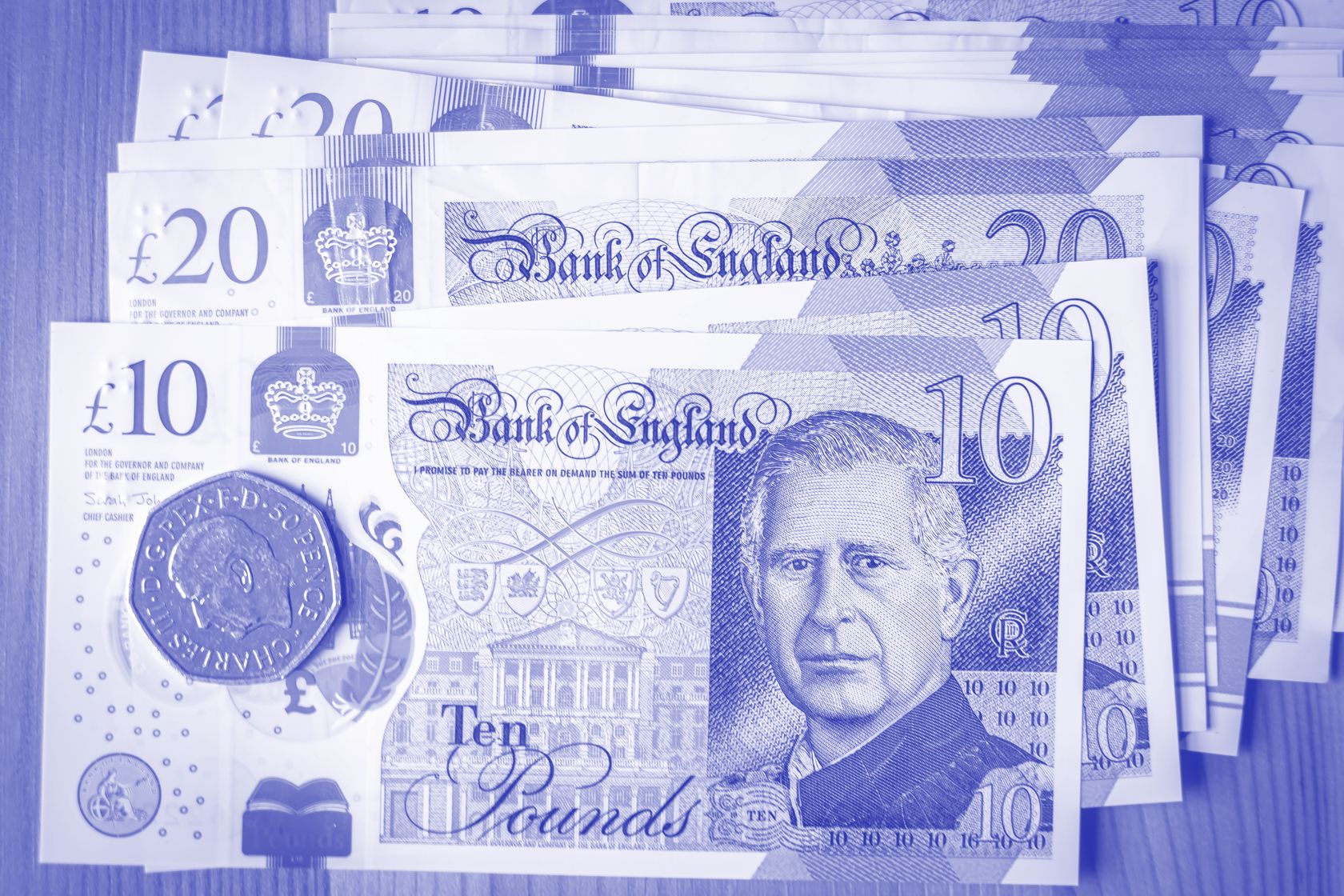
Guilt trip: UK bonds extended their sell-off, with 10-year gilt yields reaching 4.93%, their highest since 2008, before easing to 4.84%, amid fears of stagnant economic growth and rising borrowing costs. The pound dropped 0.6% to USD1.2239, its weakest since November 2023. Declining demand for gilts from pension funds has added pressure, Bloomberg noted citing UBS estimates. Chancellor Rachel Reeves’ fiscal plans are under threat, as her slim £9.9 billion ($19.66 billion) budgetary headroom is being squeezed by surging debt costs, which according to the FT exceed £100 billion annually. Analysts have compared the sell-off to the crisis sparked by former Prime Minister Liz Truss’ “mini-budget” in 2022. The current turmoil comes alongside a global bond sell-off fuelled by strong US economic data and rising Treasury yields. “The worry is that investors have just lost faith in the UK as a place to put their assets,” Eva Sun-Wai, a fund manager at M&G Investments told Bloomberg. (Capital Brief)(Bloomberg)(FT)
2.
Falling Star: Star Entertainment is teetering on the brink of collapse, with lenders reportedly warning the casino operator once worth $4 billion may enter voluntary administration within months, according to the AFR. To survive, Star must secure $150 million before it can access a $100 million loan tranche, but sources close to its lenders doubt it can attract investors in its current state. Major shareholder Bruce Mathieson told The Australian he will not invest further. Burdened by regulatory penalties, weak earnings and rising costs for its Brisbane Queen’s Wharf project, Star burned through $107 million in the December quarter, leaving just $79 million in cash on 31 December. Its market value has plunged to $373 million and shares hit a record low of 13¢ on Thursday, down 76% over the past year. While asset sales are being explored, looming uncertainty over an AUSTRAC fine persists. With 9,000 jobs at risk, Mathieson warned Star is likely to either “go bankrupt or be bought”. (AFR)(The Australian)(Capital Brief)
3.
Energy relief: Australia is forecast to have a gas surplus and lower prices this year, despite earlier shortfall concerns, according to a new report from the Australian Competition and Consumer Commission. The interim report, part of the ACCC’s 2017–2030 gas inquiry, predicts an east coast market surplus of 77–112 petajoules, depending on LNG producers’ uncontracted exports. Greater supply and falling international prices are expected to drive down domestic prices for gas extracted last year and sold in 2025. In early 2024, producer offers averaged $14.77 per gigajoule, down 1.8% from late 2023, while retailer offers dropped 13.4% to $15.43 per gigajoule. The ACCC noted that the Albanese government’s gas code, introduced mid-2023, did not directly reduce prices, though the government claims it indirectly boosted supply. (Capital Brief)
4.
Talking heads: Philadelphia Fed President Patrick Harker signalled the Fed is taking a cautious approach to interest rate cuts in 2025, emphasising the need for patience amid economic uncertainty. Harker said further cuts are on the table this year but stressed they depend on incoming data. Following a December rate cut to 4.25%-4.50%, the Fed reduced its 2025 projections to two rate cuts, down from four in September. Harker, due to retire in June, advocated a pause to assess economic conditions before making further moves. Meanwhile, Thomas Barkin, President of the Federal Reserve Bank of Richmond, said the rise in long-term US yields stems from higher term premiums rather than inflation, as federal debt issuance was “overwhelming the demand” and this was being reflected in the supply-demand balance for long-term debt. FOMC member Michelle Bowman also warned of lingering inflation risks, advocating caution in proceeding with further interest rate cuts. (Bloomberg)
5.
Trillion cut: Elon Musk scaled back expectations for his ambitious USD2 trillion ($3.23 trillion) federal spending cut target, calling it a "best-case outcome" and suggesting USD1 trillion is more realistic. Tapped by President-elect Donald Trump to co-lead the Department of Government Efficiency (DOGE) alongside Vivek Ramaswamy, Musk called the federal budget a "target-rich environment" during a livestreamed conversation with Stagwell CEO Mark Penn on X. The entrepreneurs have proposed ideas such as slashing the federal workforce, mandating full-time office attendance and shutting down some agencies. But achieving even USD1 trillion in cuts will be challenging, with about two-thirds of federal spending tied to untouchable programs like Social Security, Medicare, defence and interest on USD36 trillion in debt. Elsewhere, Microsoft and Google said they are donating USD1 million each to Trump’s inauguration fund, joining contributions from Amazon, Meta Platforms and OpenAI CEO Sam Altman. (Reuters) (Bloomberg)
6.
Sentence fight: Manhattan prosecutors have urged the US Supreme Court to reject Donald Trump’s bid to delay his sentencing on 34 felony counts, scheduled for Friday. They argue the Supreme Court has no jurisdiction over an ongoing state criminal case before a judge imposed a sentence, and that his claim to presidential immunity is unsupported as his case involves personal conduct predating his presidency. Trump’s legal team contends the sentencing could disrupt his presidential transition and that immunity should extend to him as president-elect. The charges relate to falsified business records concealing a USD130,000 ($209,890) hush-money payment to adult film star Stormy Daniels during Trump’s 2016 campaign. New York courts have repeatedly denied Trump’s requests to halt the sentencing, while Justice Juan Merchan has indicated no jail time will be imposed. Prosecutors emphasise the public interest in proceeding, noting the delays in the case are atypical. (NYT)(Bloomberg)
7.
Banker bot: Global banks may cut up to 200,000 jobs, or about 3% of their workforce, over the next 3-5 years as artificial intelligence automates tasks traditionally performed by humans, Bloomberg Intelligence (BI) reported. BI predicted a 12%-17% boost to banks’ pretax profits by 2027, equating to USD180 billion ($290 billion) in productivity gains. A survey of chief information and technology officers indicates back office, middle office and operational roles are most at risk, with know-your-customer and customer service functions also vulnerable. Nearly 25% of respondents foresee a 5%-10% decline in total headcount, though many expect AI to transform rather than fully eliminate jobs. Banks have modernised IT systems since the global financial crisis and are increasingly adopting AI to streamline operations. IPO candidate Klarna last month said it has already halted hiring to invest in AI performing tasks equivalent to hundreds of staff. (Bloomberg)(Capital Brief)
8.
Taxed trust: UBS is nearing a settlement with the US Justice Department to resolve Credit Suisse's violations of a 2014 plea agreement over aiding US clients in tax evasion, unnamed sources told The Wall Street Journal. CS had pleaded guilty and paid USD2.6 billion ($4.20 billion) but failed to fully disclose and shut undeclared accounts, allowing some taxpayers to move their accounts undetected, and leaving the bank exposed to further penalties, the journal said. UBS, which rescued the collapsed Credit Suisse in 2023, set aside USD4 billion for legal issues and aims to resolve outstanding disputes. The settlement, potentially reaching hundreds of millions of dollars, may be one of the final actions under the Biden administration. (WSJ)
