US core inflation dips as Fed flags cut
Plus: US Fed projects only one cut in 2024; Houthis in first successful drone attack; Blinken flags war will go on.


Good morning. Here's what happened overnight and what you need to know today.
1.
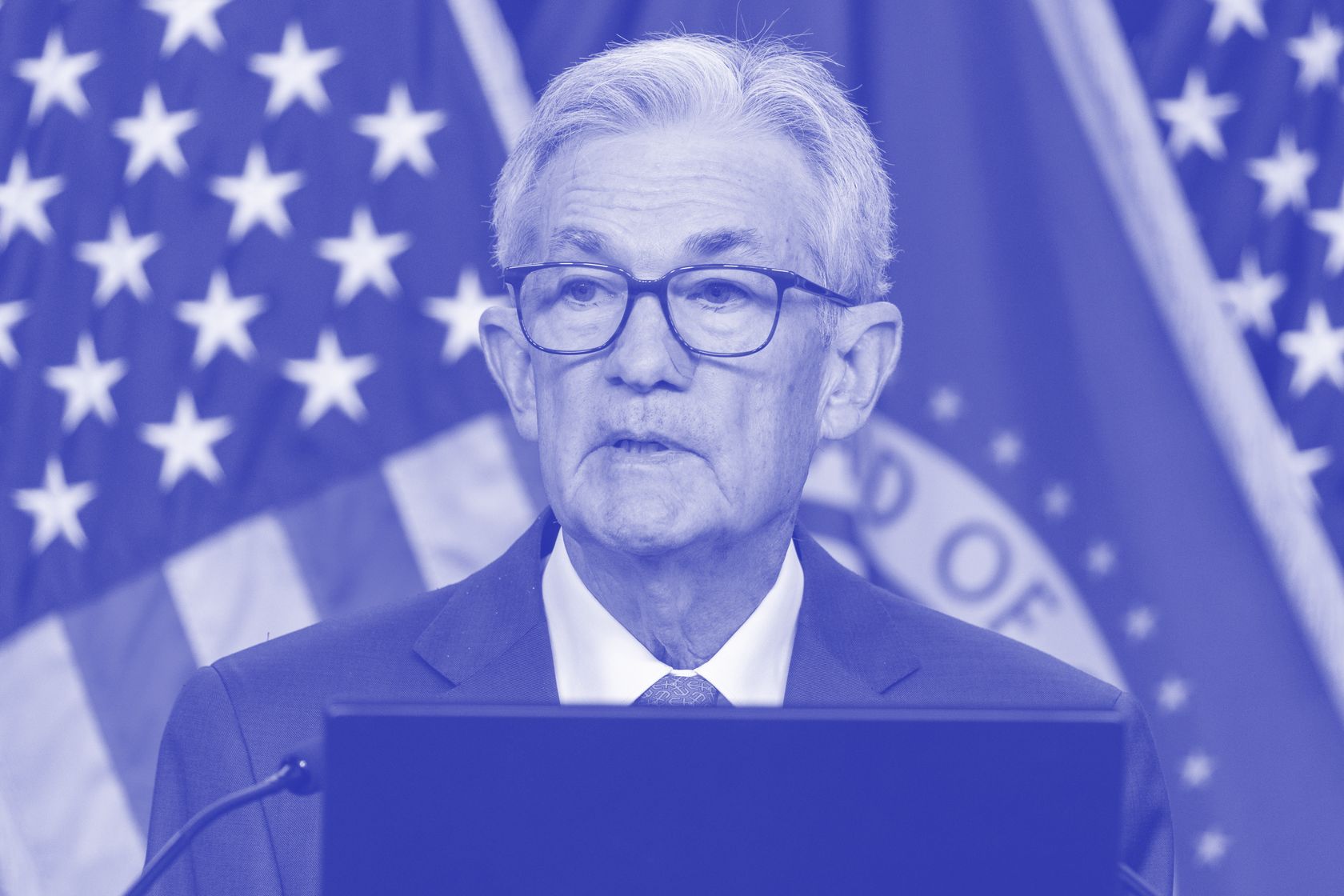
Prices ease: Core US inflation edged lower to 3.3% in May, slightly below expectations, leading investors to anticipate earlier interest rate cuts. Core CPI, excluding volatile food and energy prices, rose 0.2% month-on-month after rising 0.3% in April. In the 12 months through May, core prices rose 3.4%, the slowest pace in more than three years and down from 3.6% in April. Treasury yields fell and stocks hit fresh records following the report, as traders priced an 84% likelihood of a rate cut by September, up from 60%. Federal Reserve chair Jerome Powell welcomed the inflation reading, saying the central bank hoped for more. “We see today’s report as progress” and helping to build confidence, he said. Headline inflation was unchanged since April and rose 3.3% annually, the Bureau of Labor Statistics said. That was slightly below the 3.4% expected by economists polled by Reuters. Although inflation has slowed from a peak of 9.1% in June 2022, it remains above the Fed’s 2% annual target. A separate report on Wednesday, combining the inflation data with figures on wages published last week, showed real earnings growth increased by 0.8% from a year ago, the most in three months. (US Bureau of Labor Statistics) (Bloomberg) (Reuters) (Financial Times)
2.
Fed signals: The US Federal Reserve left interest rates unchanged at their current 5.25% to 5.5% level, as expected, and projected just one rate cut this year, likely in December. The revision in the median projection, from the three rate cuts this year that were pencilled in March, reflects a more cautious approach despite acknowledging progress toward the 2% inflation target. "The Committee does not expect it will be appropriate to reduce the target range until it has gained greater confidence that inflation is moving sustainably toward 2%," the central bank said in a statement. US stocks responded positively, with the S&P 500 1% higher and the Nasdaq Composite up 1.7% after the decision. Prior to the Fed's announcement, Treasury yields had fallen to their lowest levels since early April but moderated slightly afterward. The Fed also raised its long-run interest rate estimate to 2.8% from 2.6%, indicating a need for more restraint to combat inflation. (Reuters) (Bloomberg)
3.
Houthi drone: Yemen’s Iran-backed Houthis executed their first successful sea drone attack on a commercial vessel, striking the Greek-owned dry bulk carrier Tutor near Yemen’s Red Sea port of Hodeidah. The UK Maritime Trade Operations office reported that the vessel, sailing under a Liberian flag, was hit by a small craft and an unidentified projectile, causing significant damage and leaving it out of the crew's control. The ship was en route to India and is currently being assisted by military authorities. The attack marks an escalation in the Houthis' campaign against international shipping, as part of their broader solidarity actions with Palestinians in the Israel-Hamas conflict.(Financial Times) (Reuters)
4.
Cease-fire clash: US Secretary of State Antony Blinken has cast doubt on a cease-fire agreement between Israel and Hamas, stating that some of Hamas' recent demands are unacceptable. After meeting with leaders in Qatar and Egypt, who are mediating the indirect talks, Blinken indicated that while some of Hamas’ proposed changes are “bridgeable”, others are not. He called for an end to the haggling and reiterated that Israel had accepted the cease-fire proposal. He said some of the amendments that Hamas had demanded were “workable, while some are not.” The changes had already been denounced by Israel as a rejection of the UN Security Council-backed plan. “Israel accepted the proposal as it was, as it is. Hamas didn’t. It is clear what needs to happen,” Blinken said. “Hamas waited two weeks, and then proposed more changes — a number of which go beyond positions it has previously taken and accepted. As a result, the war that Hamas started will go on and more people will suffer.” Meanwhile, Hezbollah fired rockets at Israel after a suspected Israeli strike in southern Lebanon killed a senior commander, escalating tensions. (Financial Times) (Bloomberg) (Wall Street Journal)
5.
Apple tops Microsoft: Gen AI laggard, Apple, reclaimed its position at the top, surpassing Microsoft as the world's most valuable company with a market capitalisation of USD3.3 trillion ($4.9 trillion). The surge followed this week’s announcement that generative AI technology is set to power the latest versions of Apple’s apps and devices. The announcement, almost two years after Microsoft's OpenAI ignited the race to integrate generative AI into products, pushed Apple shares over 5% higher on Wednesday to a record USD218.12, extending Tuesday’s 7% gain. The stock had pared back some gains shortly before the close, and Microsoft shares were 1.7% higher, in line with the broader market that was buoyed by better-than-expected inflation numbers. Apple said generative AI will power new features in its Mac computers, iPhones, iPads, and Siri, sparking excitement among investors predicting a new wave of sales. Brokers from Morgan Stanley, Evercore, and Bank of America believe the AI features, labelled “Apple Intelligence” at the conference, will significantly boost demand for new iPhones. (Reuters) (CNBC)
6.
Red fleet: A fleet of Russian warships, including a nuclear-powered submarine entered Cuban waters on Wednesday for planned military exercises in the Caribbean, coinciding with growing tensions over Western support for Ukraine. Three ships, led by a flagship frigate crossed Havana Bay and were welcomed with 21 cannon salutes. Despite the nuclear-powered submarine, no vessels are carrying nuclear weapons, Cuba’s foreign ministry said. Russia's actions come shortly after US President Joe Biden authorised Ukraine to use US-provided weapons to strike inside Russia to protect Kharkiv. Meanwhile, the US on Wednesday broadened sanctions on Russia, including targeting China-based companies supplying semiconductors to Moscow. The US Treasury warned foreign financial institutions dealing with Russia’s war economy of the risk of secondary sanctions, potentially losing access to the U.S. financial system. Over 300 individuals and entities in Russia, Asia, Europe, and Africa are targeted. The Commerce Department is also focusing on Hong Kong shell companies diverting semiconductors to Russia, affecting nearly USD100 million ($149 million) in high-priority items. The sanctions forced an immediate suspension of trading in dollars and euros on its leading financial marketplace, the Moscow Exchange. (Associated Press) (BBC) (Reuters)
7.
EV tariff: The European Union will impose tariffs of up to 38% on electric vehicles imported from China, in order to protect its manufacturers from what the European Commission, the EU’s executive branch, calls unfair competition. The tariffs take effect from 4 July and follow the US quadrupling tariffs on Chinese EVs to 100% in May. Rates will vary based on cooperation levels from Chinese companies like BYD, Geely and SAIC. The EU said an investigation concluded that Chinese subsidies enable artificially low prices, threatening European industry. The automotive sector is crucial to the EU, supporting 13 million jobs, and automakers worry the tariffs will raise prices, decrease EV demand, and provoke Chinese retaliation. Last year, Chinese EV imports to Europe surged to USD11.5 billion ($17.2 billion), up from $1.6 billion in 2020. Despite the tariffs, Chinese firms are expanding in Europe, with new plants planned in Hungary and Spain by BYD and Chery, respectively. (European Commission statement) (New York Times)
8.
Rocket scandal: Reports from The Wall Street Journal reveal allegations of a culture of sexism and harassment at SpaceX involving founder and CEO Elon Musk. Musk allegedly had sexual relationships with a former intern and another employee, and asked a third woman to have his children. The reports, citing documents, emails, texts and sources familiar with the allegations, also claim one of the women with whom Musk allegedly had a sexual relationship was accused by SpaceX President Gwynne Shotwell of having an affair with Shotwell’s husband. Former SpaceX executives and fired employees who complained to the National Labor Relations Board in 2022 told the publication that a high-level group around Musk fails to apply the company’s own rules to him, contributing to a culture of sexism and harassment. Shotwell denied the claims, saying they “paint a completely misleading narrative” and don't reflect the culture at the company - a critical contractor for NASA and the Pentagon. “Elon is one of the best humans I know,” she added. Other allegations cited include Musk exposing himself to a flight attendant and other instances of harassment. (Wall Street Journal)
