Xi calls Trump to press Taiwan issue, secures China visit in April
Plus: Blackbird’s Canva is IPO-ready as Culture Amp, SafetyCulture downgraded; US says EU must ease digital rules to unlock tariff deal; Macquarie under pressure over trust-based lending practices.

Good morning. Here's what happened overnight and what you need to know today.
1.
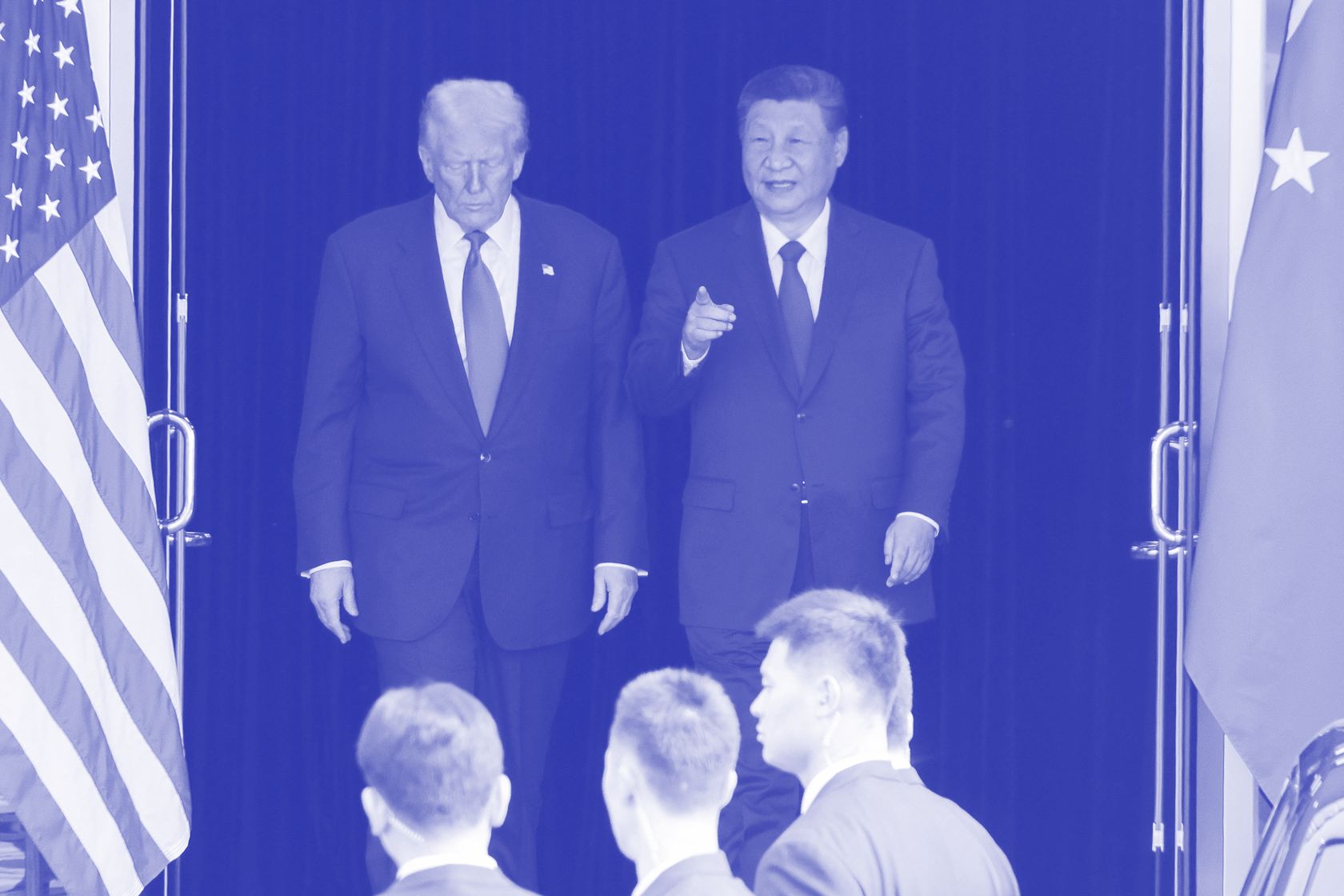
Taiwan talk: Chinese President Xi Jinping called US President Donald Trump and said Taiwan’s “return to China” is a key part of the post-war international order, Xinhua reported, as the two discussed rising regional tensions and efforts to end the war in Ukraine. China’s foreign ministry said Xi urged Trump to maintain the “positive momentum” from their October meeting in South Korea and “safeguard the outcomes of World War Two.” Trump confirmed the call in a social media post, saying they also discussed “fentanyl, soybeans and other farm products,” and accepted Xi’s invitation to visit China in April. In return, he invited Xi to the US “later in the year.” The Wall Street Journal, citing people close to Beijing, said Xi initiated the call. The conversation comes as the US and China seek to stabilise ties, with ongoing talks on rare earths and AI chip exports. Tensions have also escalated after Japan’s new prime minister warned of a potential military response to a Chinese attack on Taiwan. (Capital Brief)(Xinhua)(Donald Trump)(WSJ)
2.
IPO inbound: Blackbird Ventures marked down the value of its holdings in employee analytics platform Culture Amp by 23.5%, but said it expects Airwallex to double its revenue to USD2 billion ($3.1 billion) within the year if its current trajectory persists. These takeaways followed the headline announcement made at the VC’s investor day, that Blackbird believes Canva is ready to IPO next year. Blackbird told investors at the closed-door briefing that Canva is ready for an IPO in the second half of 2026. Several sources present at the event told Capital Brief that limited partners in funds holding Canva were advised they would have the choice to sell into the IPO or continue holding their exposure and become direct shareholders once Canva is public. A slide shown to LPs indicated it now has more than 260 million monthly active users and a 39% year-on-year rise in annualised revenue to USD3.5 billion. The VC also called out a slew of high-performing players from across its funds, including health-tech venture Heidi, Lorikeet, Halter, Eucalyptus and Gilmour Space. Sources said Culture Amp was written down alongside employee checklist app Safety Culture. (Capital Brief)
3.
EU conditions: US Commerce Secretary Howard Lutnick said the EU must change its digital rules in order to reach a deal to lower steel and aluminium tariffs with the US. Lutnick told Bloomberg: “We are talking to them about” rolling back EU tech rules. “In exchange for that, we will come up with a cool steel and aluminium deal.” US representatives were in Brussels on Monday for their first official visit since the deal with the bloc was struck in July, which set a 15% tariff on many EU goods. The EU had pledged to erase tariffs on US industrial products as well as some agriculture and food items. Lutnick also confirmed recent reports that Trump is weighing whether to allow Nvidia to sell advanced AI chips to China and will be the one to make a final decision on the matter. (Bloomberg)(Capital Brief)
4.
FinTok fraudsters: Macquarie Group sidestepped claims it engaged in lax due diligence before it ceased lending to housing investors using trust structures to amplify their borrowing power, as mortgage brokers urged regulators to take action against buyers agents and influencers promoting property on social media. Earlier this month, Capital Brief revealed that Macquarie has stopped lending to investors using trusts and company structures to invest in property, after it identified the vehicles were being promoted on platforms like TikTok as a way to access "unlimited" leverage. Several mortgage brokers told Capital Brief that before it made the decision, Macquarie had become the preferred lender in the space due to its relatively light due diligence and speedy approval times. Sources said Macquarie was known to approve loans to property investors using trusts who self-declared their ability to meet repayments with little scrutiny. Macquarie responded that trust and company accounts made up less than 5% of its total loan book and that it has “no plans to restart this soon.” (Capital Brief)
5.
Tech update: Revolut completed a secondary share sale that values the company at USD75 billion ($116 billion), a 66% increase from its USD45 billion valuation in 2024. The company said the deal was led by Coatue, Greenoaks, Dragoneer and Fidelity, with participation from NVentures, Andreessen Horowitz, Franklin Templeton and others. The London-based global fintech has more than 65 million customers and reported a 149% jump in pretax profit to GBP1.4 billion in 2024. It earns much of its income from crypto trading and higher interest rates, with relatively few users treating it as their main account. Revolut is still waiting for a full UK banking licence and is considering acquiring a US bank to expand in that market. Elsewhere, OpenAI launched a free AI-powered shopping research tool in ChatGPT that generates personalised buyer guides using reviews from high-quality online sources. And The Australian Financial Review reported Sydney-based VC firm EVP has raised $100 million for a new fund, with 80% coming from existing backers, despite the fallout from its legal dispute with StrongRoom AI. (Capital Brief)(Reuters)(OpenAI)(AFR)
6.
Lost lottery: Novo Nordisk shares fell as much as 12% on Monday after two late-stage trials showed its semaglutide pill failed to slow the progression of Alzheimer’s disease. The stock closed down 5.8% in Copenhagen, its lowest level in more than four years and wiping around USD20 billion from Novo’s market value. The studies tested a pill version of semaglutide, already used by millions for diabetes and weight loss, in patients with early-stage Alzheimer’s but did not meet their main goal of slowing cognitive decline. Novo told trial doctors the results did not “support the clinical benefits to participants” and said it would discontinue a planned one-year extension. The company had described the Alzheimer’s studies as a “lottery ticket” and high-risk, but success could have opened a vast new market. Analysts had largely expected the trials to fail. Morgan Stanley estimated a 75% chance, while Barclays and TD Cowen had assumed zero Alzheimer’s revenue. (Capital Brief)(Novo Nordisk)(Bloomberg)(Reuters)
7.
Trojan horse: Italian police carried out searches and seizures at two Amazon sites in Italy on Monday as part of an investigation into the alleged smuggling of Chinese goods, according to sources cited by Reuters. Officers reportedly seized around 5,000 products including toys, mobile phone covers, air fryers, pens and small scissors, at a logistics hub operated by Amazon in Cividate al Piano in Bergamo. Police also seized IT equipment and identified the Amazon manager responsible for the transportation of goods within Italy. Prosecutors allege that Amazon acts as a ‘Trojan horse’ to allow Chinese goods to circulate in the country without paying the necessary taxes. The move is a new line of inquiry originating from an investigation into an alleged EUR1.2 billion ($2.14 billion) tax evasion scheme brought by Italian authorities earlier in the year. The investigation alleges smuggling offences by dozens of Italian companies and against the manager in charge of the movement of goods through Amazon. (Reuters)(Capital Brief)
8.
Charges quashed: A US federal judge dismissed criminal cases against former FBI Director James Comey and New York Attorney General Letitia James, finding the prosecutor who brought the charges, Lindsey Halligan, was unlawfully appointed. Judge Cameron McGowan Currie ruled Halligan’s installation as interim US attorney for the Eastern District of Virginia was invalid, saying her actions, including the indictments, “were unlawful exercises of executive power.” The charges were dropped without prejudice, meaning they could be brought again. Halligan, a former White House aide with no prior prosecutorial experience, was named to the role in September after the previous interim US attorney resigned under pressure from the Trump administration. Trump had publicly urged action against Comey and James, long-time political adversaries, and Halligan was the sole signer of the indictments brought within days of her appointment. Comey had been charged with making a false statement and obstructing Congress, and James had been charged in a mortgage fraud case. Both defendants challenged the legality of Halligan’s appointment and argued the prosecutions were politically motivated. The Trump administration is expected to appeal. (AP)(NYT)(CNN)
