Politics and policy

The Albanese government is sitting on legal advice that raises concerns about the constitutionality of Commonwealth grant programs following the ‘sports rorts’ affair — and it refuses to talk about it.

Mark Wooden has spent decades deep in economic research. He is worried about where Australia is heading.

While the full details of Israel's strike on Iran today remain unclear, it adds yet another layer of uncertainty for already volatile markets.

The tech giant's investment in Abu Dhabi-based G42 is the clearest model yet of how the US might leverage its prodigious lead in AI technology for political and strategic gains over China.
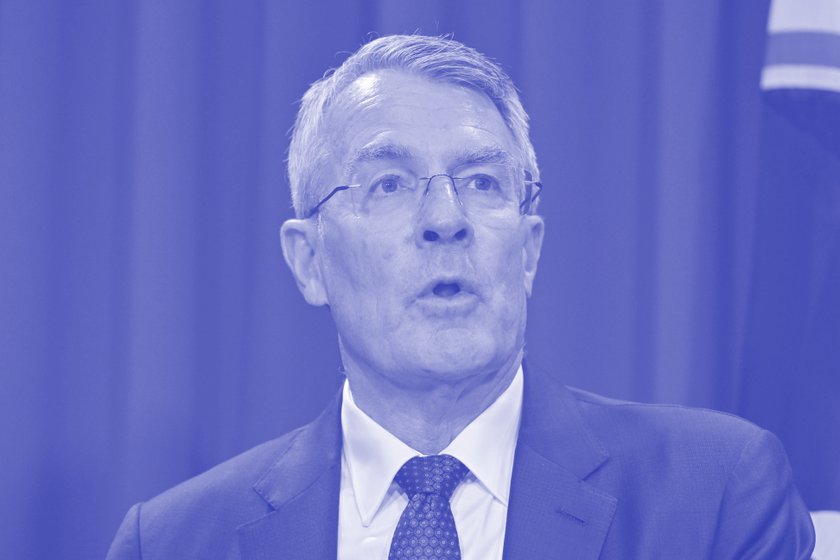
The Albanese government wants to create new civil penalties for doxxing, but there are growing concerns that its "overly broad" definition could capture public interest journalism.
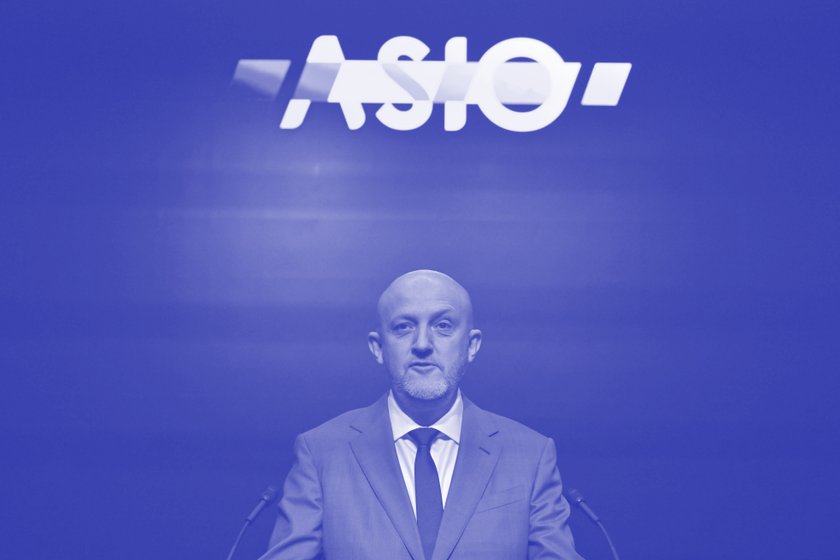
Warnings of a 'lone wolf' attack on Australian soil have come true twice in three days. Police only consider one an act of terrorism.

The sensational exchange between Woolworths CEO Brad Banducci and Nick McKim at a Senate inquiry may have been entertaining, but it should also be concerning to everyone in business.

Backing down on plans to further increase the superannuation guarantee may help avoid a collision between the Albanese government and businesses ahead of the election.
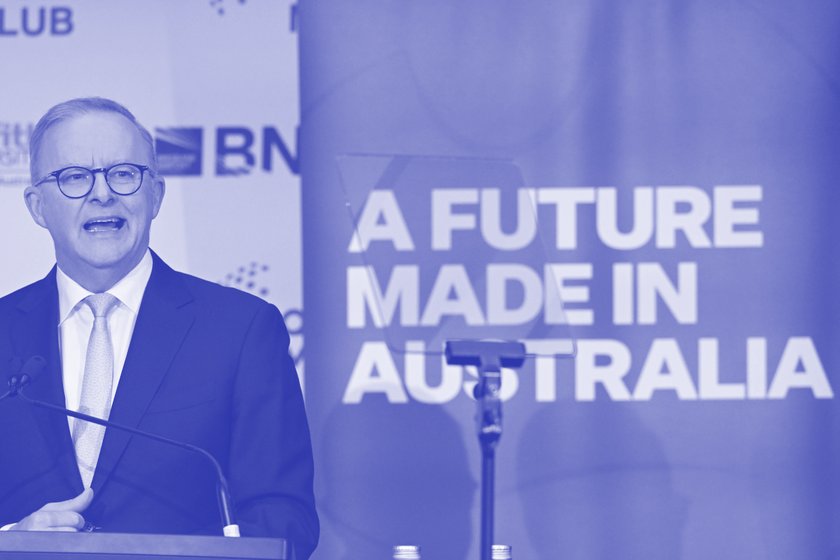
The prime minister wants to take control of the narrative over industry policy, but questions remain about whether Australians are ready to have the conversation.
A nascent political movement is looking to harness the Muslim vote at the next election.

There was little market reaction today to Iran's weekend attack on Israel. That could change quickly if a counterattack escalates tensions further.
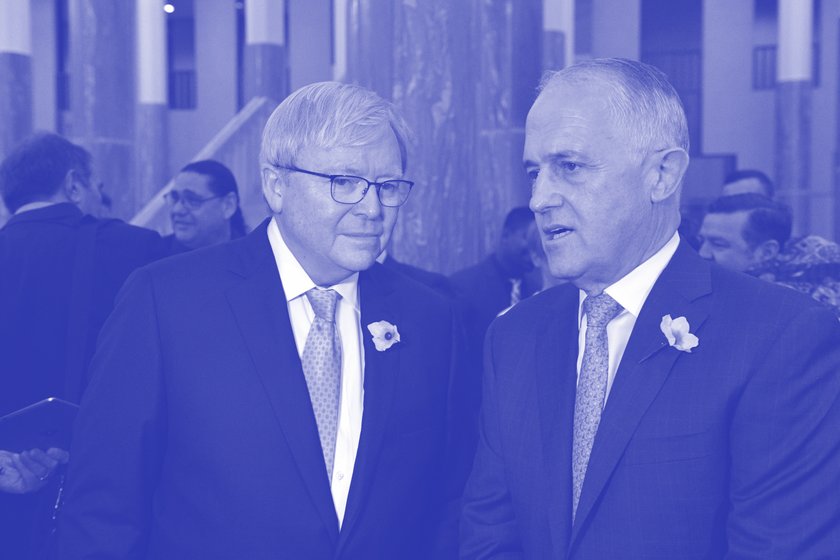
Internal briefings from the transparency watchdog show self-destructing messages may have hindered FOI requests.

Labor has long supported raising the superannuation guarantee to 15%, but senior government figures have indicated its priorities lie elsewhere.

The Coalition is considering a number of amendments to Labor's contentious deportation bill, including affording the foreign minister the power to veto blanket bans on visa applications from designated countries.
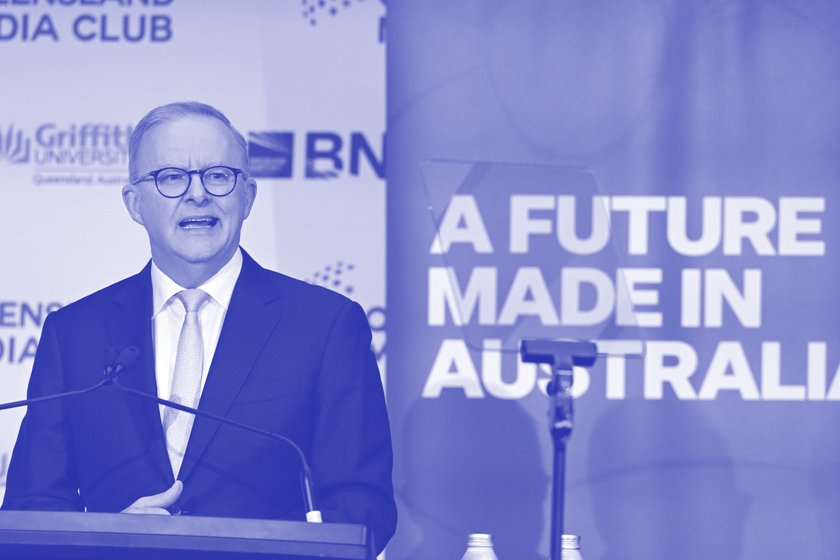
Australia's version of the Inflation Reduction Act has been praised by unions. But economists have lambasted the proposal, saying the mistakes of the past are being repeated.

The government's merger reform paper is out and competition lawyers aren't loving it. Plus, the latest in the Wollemi v Wollemi dispute.
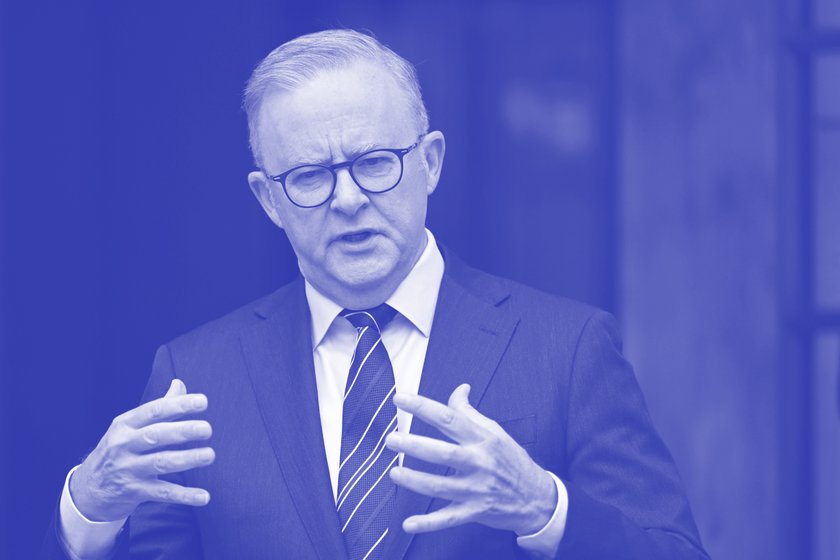
In a speech on Thursday, the prime minister will announce the creation of a Future Made in Australia Act to compete with other countries in the new economy.

Entrepreneurs and startup founders are worried about collateral damage from Labor's newly announced merger reforms. But don't expect any sympathy from Rod Sims.

Corporate Australia is getting older and less competitive. Labor wants to make it more dynamic by emboldening startups to compete with big businesses, rather than be acquired by them.
The case to index income tax brackets won't go away when this cost-of-living crisis fades.

The energy transition will take hundreds of billions of dollars and decades to achieve. Private capital won't be able to fund it alone.
