There is no shortage of countries distancing themselves from Israel on the international stage, but there is a reason why Benjamin Netanyahu has singled out Australia.

Your complimentary access ends . To keep reading without interruption, subscribe today.
There is no shortage of countries distancing themselves from Israel on the international stage, but there is a reason why Benjamin Netanyahu has singled out Australia.
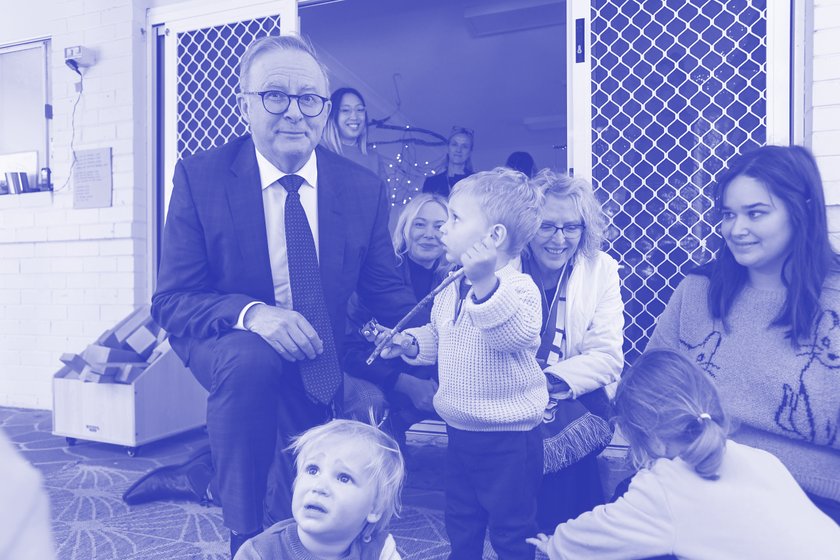
Labor is in the final stages of preparing a multi-billion dollar package to create ‘universal childcare’ in Australia, which will be the centrepiece of its election pitch.
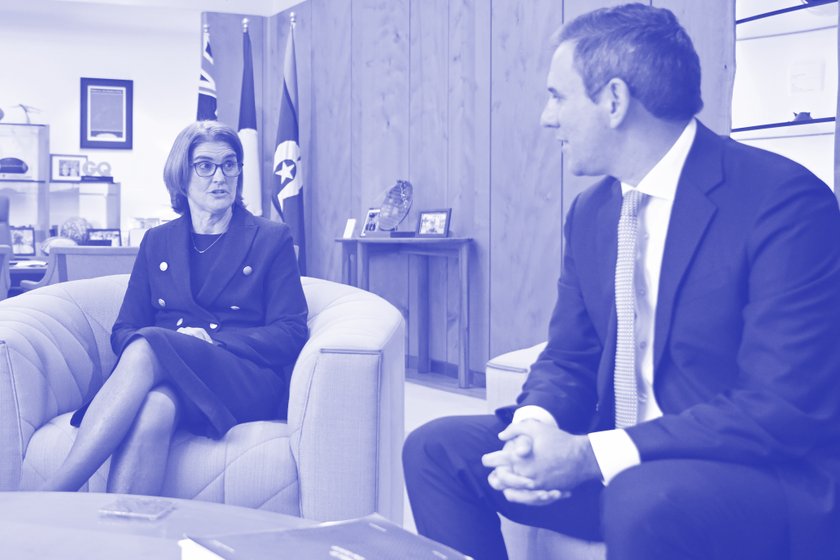
The last time Jim Chalmers prepared to receive his economic scorecard, he sparked a media frenzy by appearing to blame the RBA. This time his approach is markedly different.
The Albanese government's rush to cram through a huge amount of legislation on the last sitting day of the year has heightened speculation of an early election.
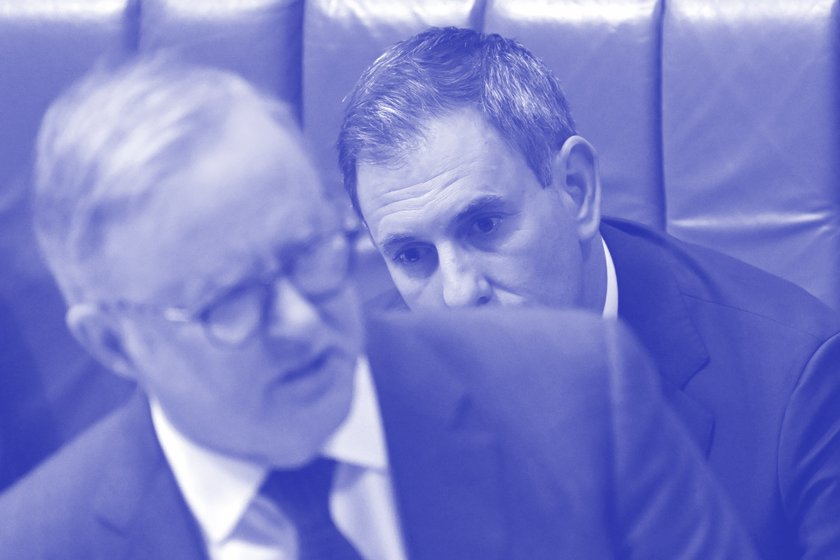
There are compelling reasons for Anthony Albanese to land on a historically early election, but some of his senior cabinet colleagues disagree.
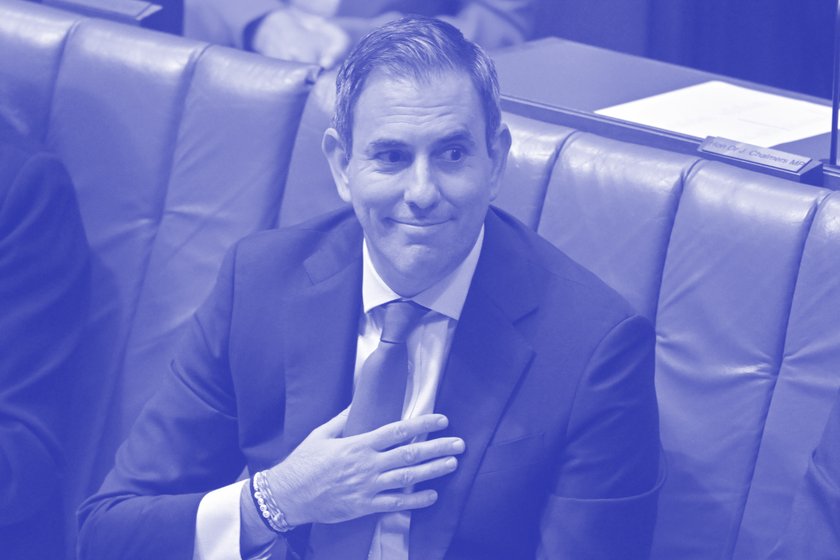
There’s a big difference between campaigning in opposition and campaigning in government. How will Treasurer Jim Chalmers navigate this chasm?
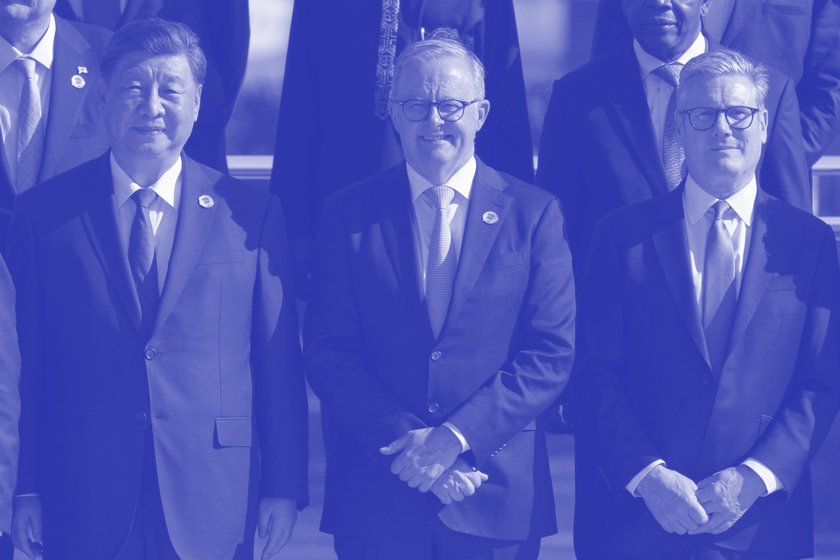
Australia used to be bolshie when dealing with China, while the British held their tongue. But Anthony Albanese and Sir Keir Starmer’s meetings with Xi Jinping show that dynamic has flipped.
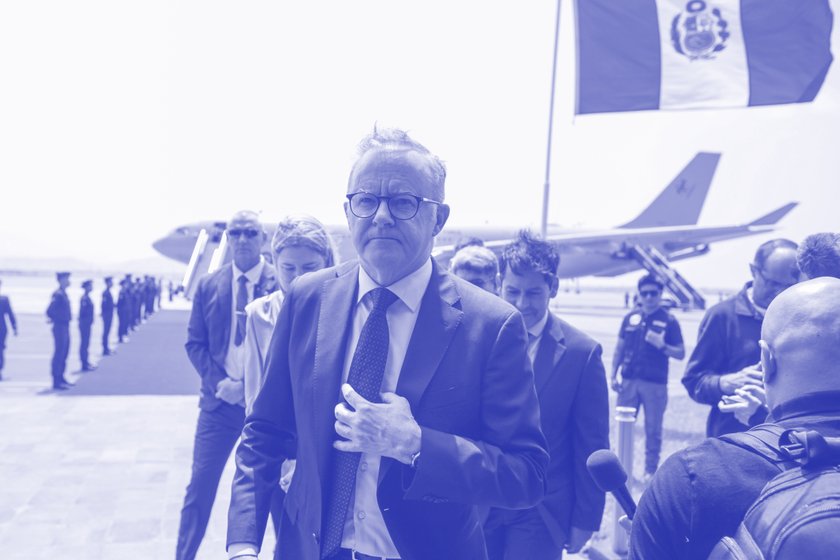
There is a sense of déjà vu in Peru, which hosted APEC the last time Trump was elected in 2016. But it also feels very different this time.
The Albanese government has a doctrine on regulating the online world: set the rules, and fine social media giants for not complying. That approach is facing backlash.
Donald Trump's return to the White House means it's even more likely Australia will hold off on announcing its 2035 emissions reduction target.
The Coalition is trying to create a sense of grievance among the nation’s tradies, telling them that Labor is no longer on their side.
As Albanese continues to face scrutiny over his Qantas upgrades, politicians may have more to learn from corporate Australia than they'd care to admit.
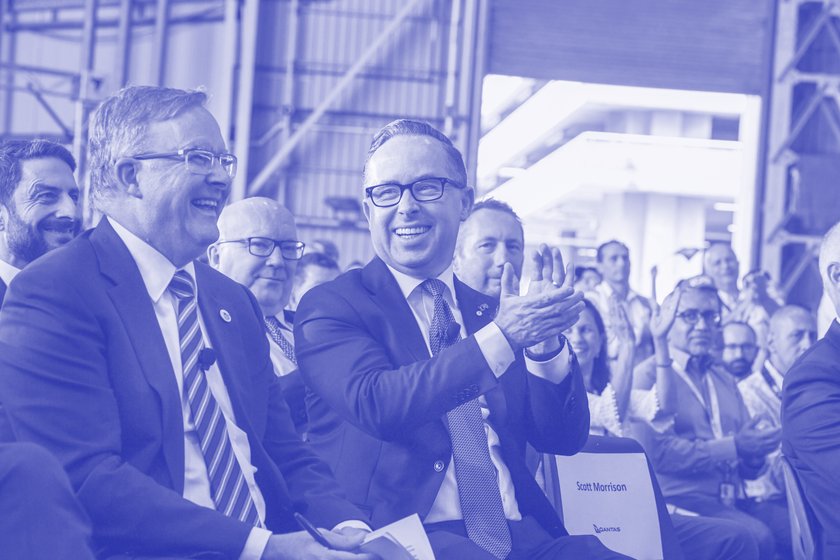
It’s not just politicians. Senior regulators with oversight of Qantas are also members of its exclusive Chairman’s Lounge.
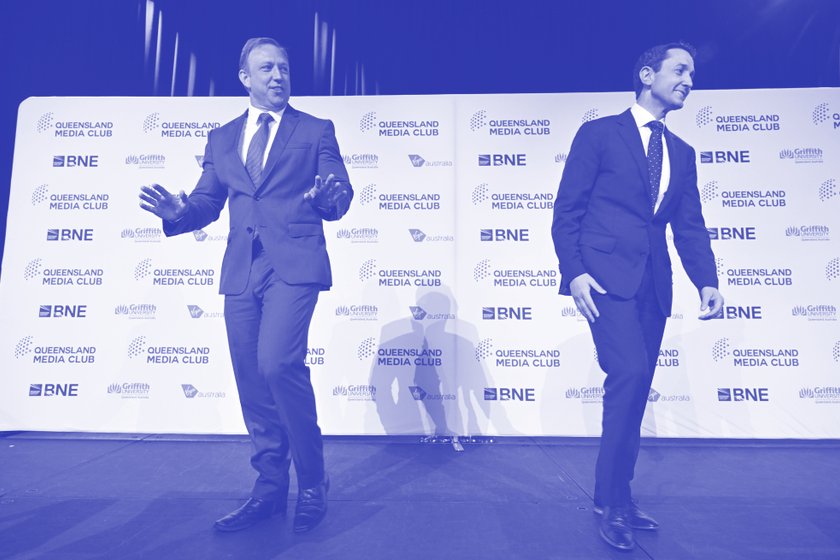
The Queensland election has underscored how much ground can be made up during a few weeks of a campaign. Anthony Albanese and Peter Dutton will be taking notes.
Politicians are always ready to blame each other for the housing crisis. Yet both sides' solutions are remarkably similar.
Anthony Albanese's $4.3 million property purchase has derailed the government's messaging and raised questions about what prime ministers should do with their assets.
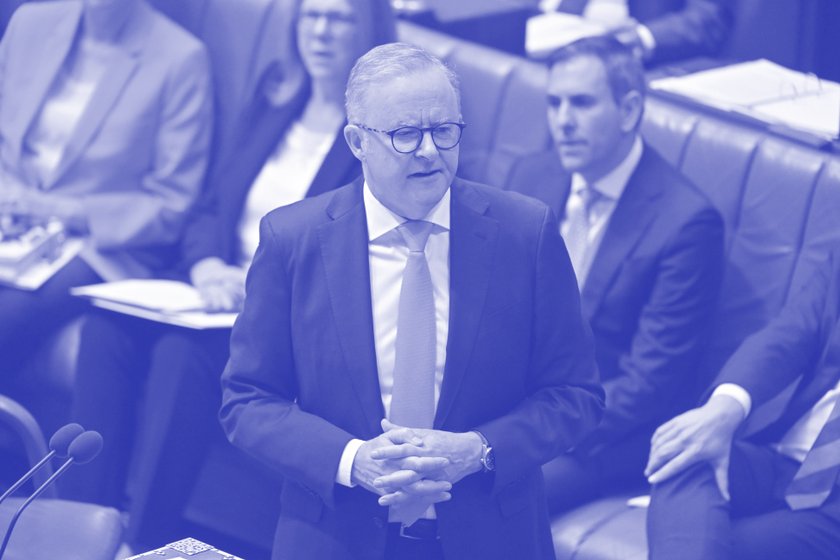
For months, Labor MPs have dismissed mediocre poll results on the basis they didn't come from Newspoll. But now their favourite poll has them behind on the two-party-preferred count.
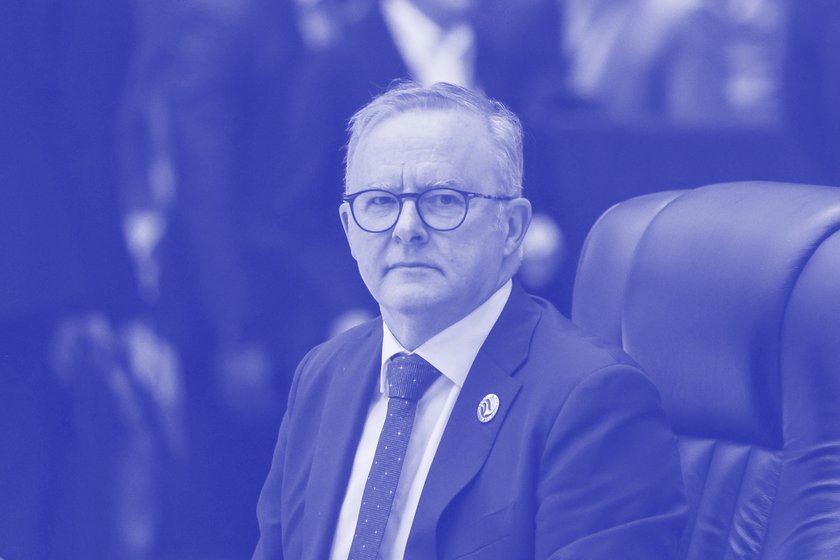
Anthony Albanese wraps up a two-day visit to the ASEAN summit in Laos today, as the bloc faces increasingly urgent questions over how to manage the rise of China.
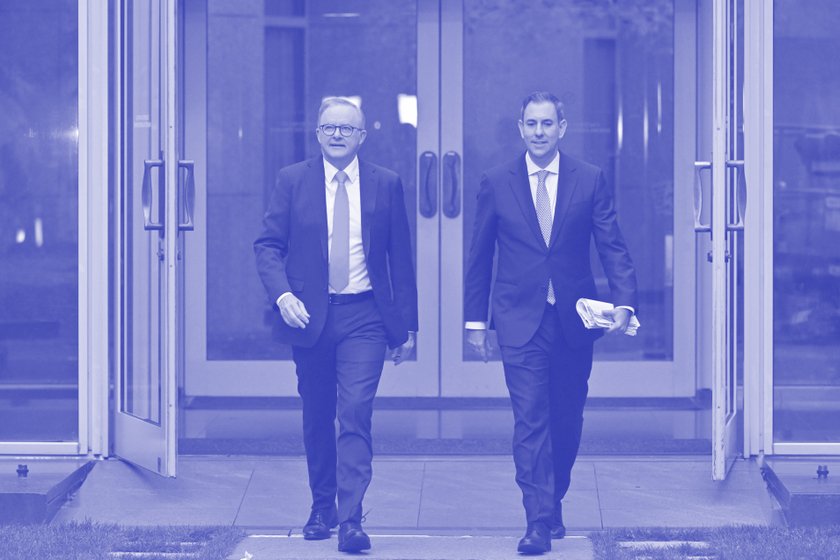
Labor’s bills to improve housing supply are still stuck in the Senate as parliament returns. But internal government briefs show growing pressure to address the demand side of the crisis.
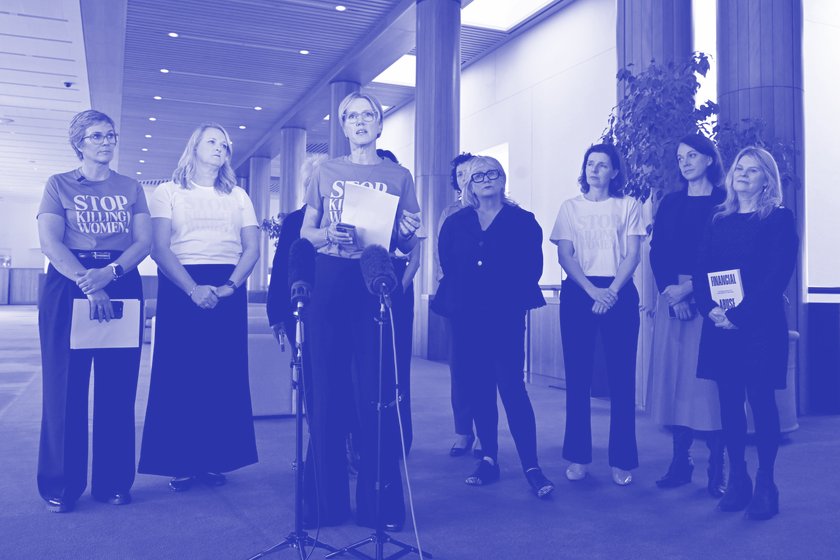
With Labor's latest housing policy stuck in the Senate, how would the crossbench treat the issue if given the balance of power after the election?
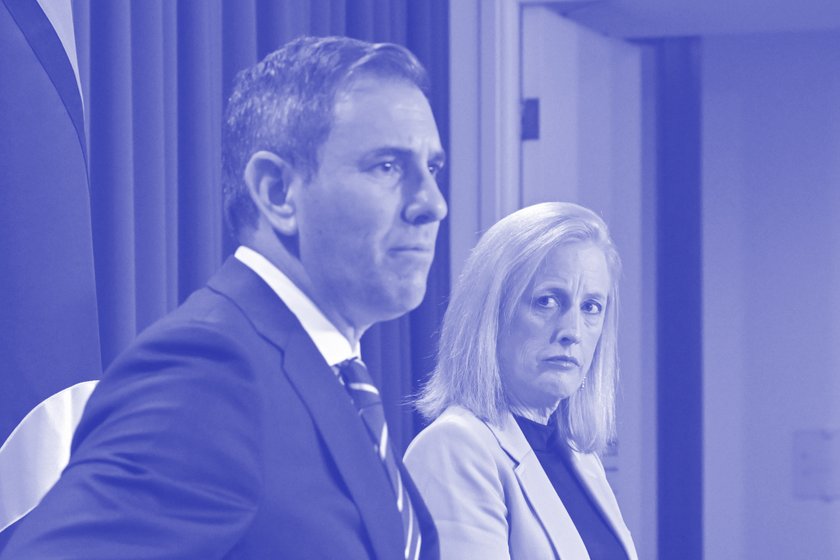
With two consecutive surpluses under its belt, the government may well be tempted to pull the pin on an early election.
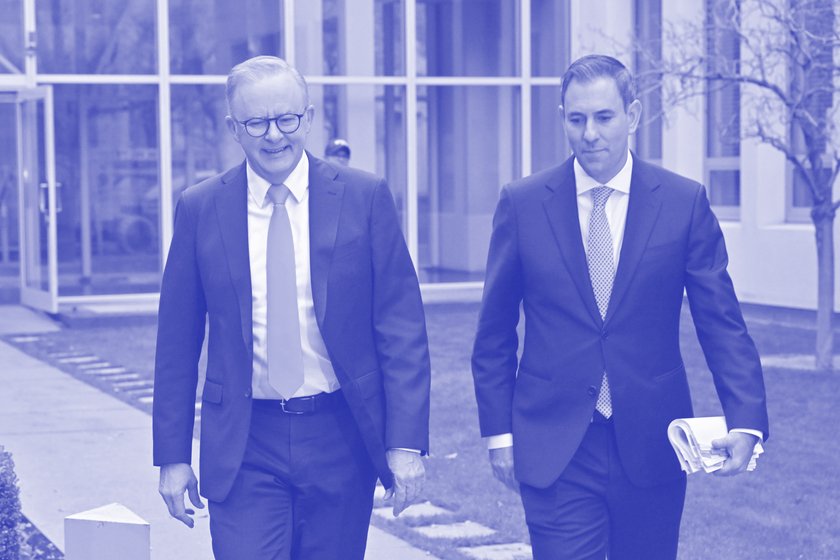
Labor MPs were left aghast this week at the government’s response to speculation it was planning to amend negative gearing and the capital gains tax discount.
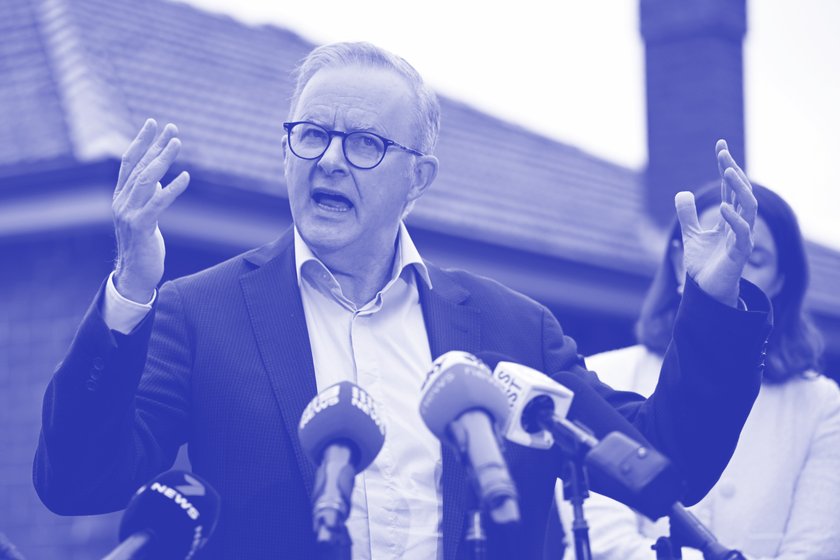
Anthony Albanese doesn’t like being pressed by the media on his plans for negative gearing. Is he simply fed up, or is he about to make a move on landlord tax concessions?
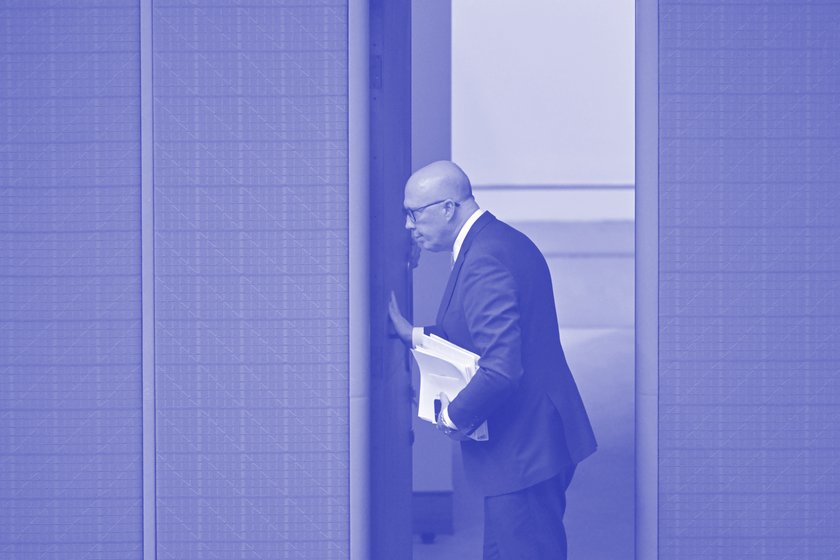
Peter Dutton has always thought he could defy history and win the next election. In recent weeks, some of his colleagues have begun to believe him.
A new poll shows that the percentage of voters willing to pay more for renewable energy has fallen, as cost-of-living pressures remain pervasive.
While Labor appeared to be launching a war on big tech this week, it was just setting the stage for the one announcement that will truly infuriate social media giants.
RBA insiders say the past week's public tensions over comments by Jim Chalmers have been 'frustrating'. And they may make the already tough job of reforming the central bank even harder.
In the end, it wasn’t Anthony Albanese who was desperate to get his longtime leadership rival Bill Shorten out of parliament — it was factional rivals much closer to home, who now stand to lose out.
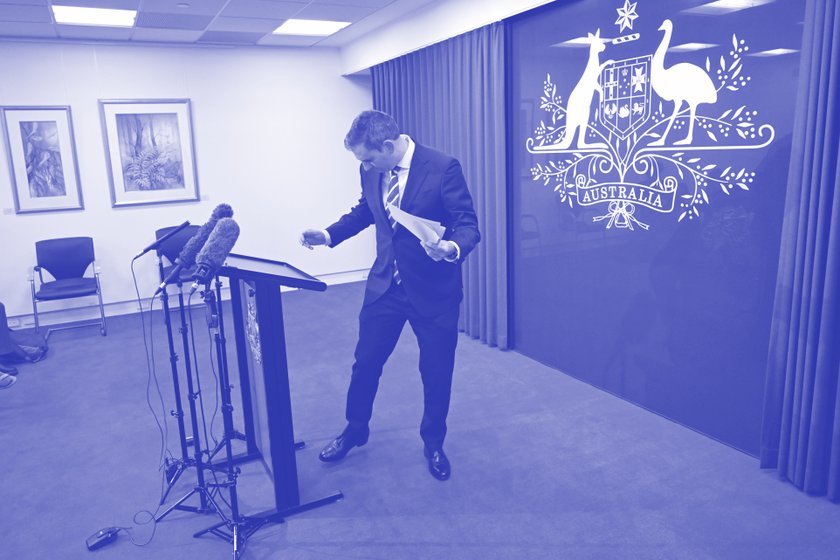
The government is not at war with the Reserve Bank. Not yet, anyway.

Anthony Albanese backflipped this morning on the decision to exclude gender and sexuality questions from the census — a story which had already reignited scrutiny of his political instincts ahead of the election.
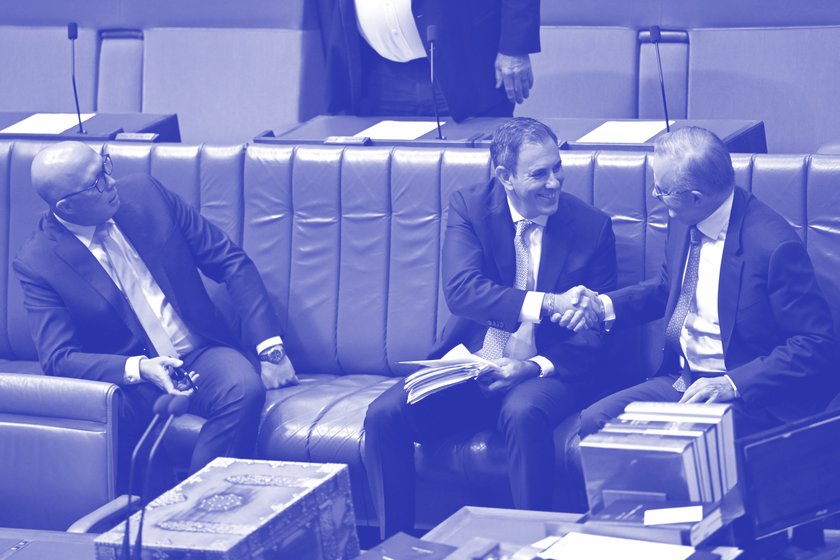
Jim Chalmers is acting as the government's attack dog against Peter Dutton. Whether the strategy will pay off is an open question.
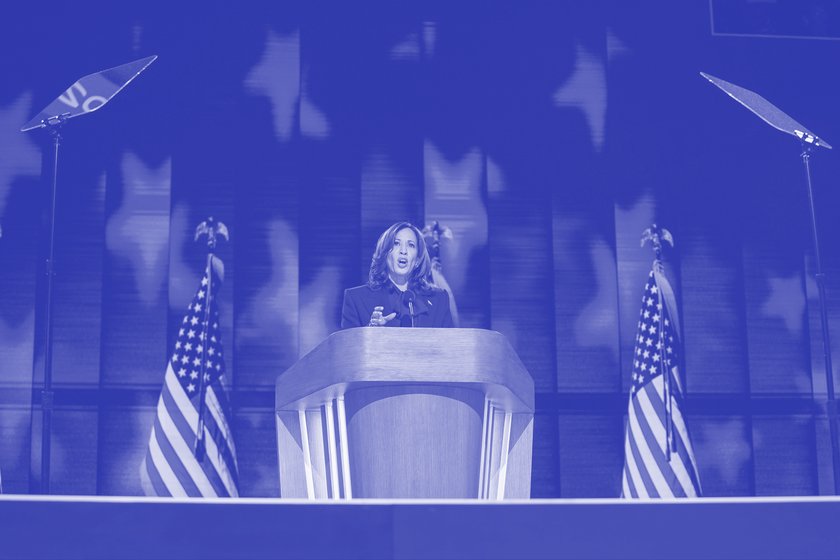
The dominant theme on the final night of the Democratic National Convention was the precarious coalition that Harris must forge to defeat Donald Trump.
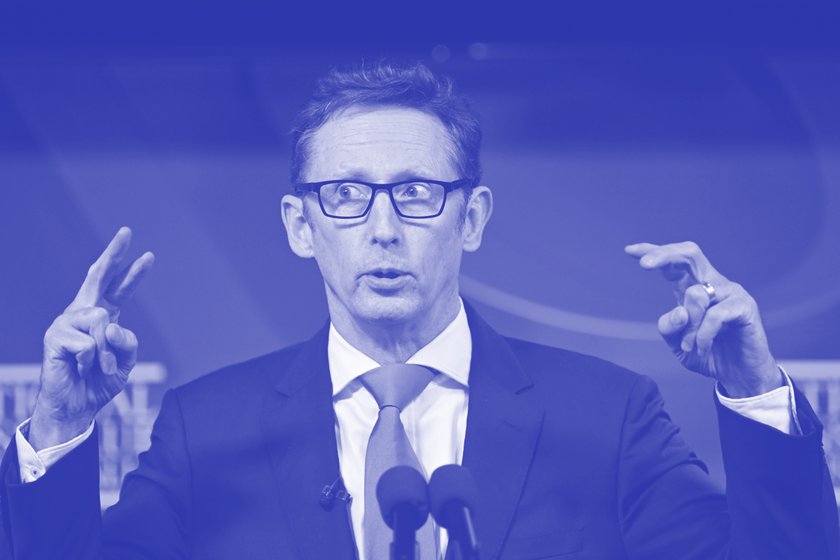
Assistant Treasurer Stephen Jones confirmed to Capital Brief that he is considering “substantial advice” from the ACCC and Treasury on forcing Meta to pay for news content.
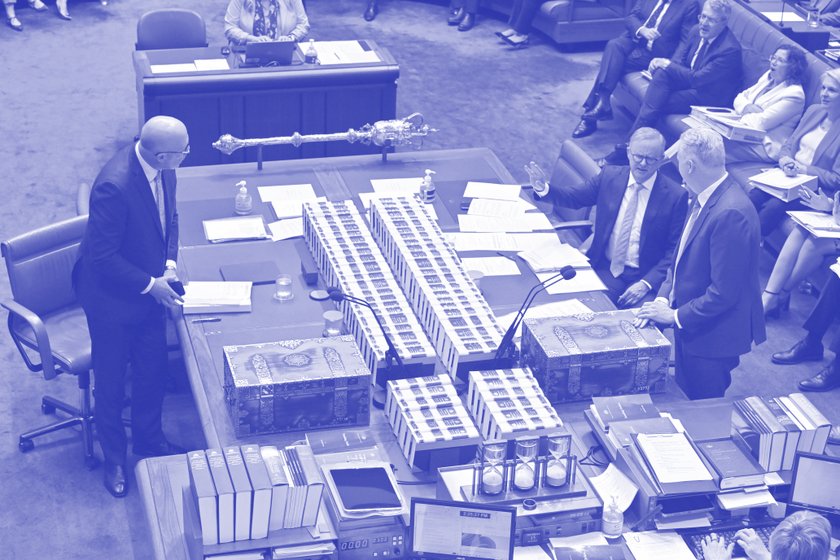
Whatever you think of Peter Dutton’s antics, it’s telling that Labor, over two years into its term, still often seems unprepared for the Opposition Leader’s attacks.
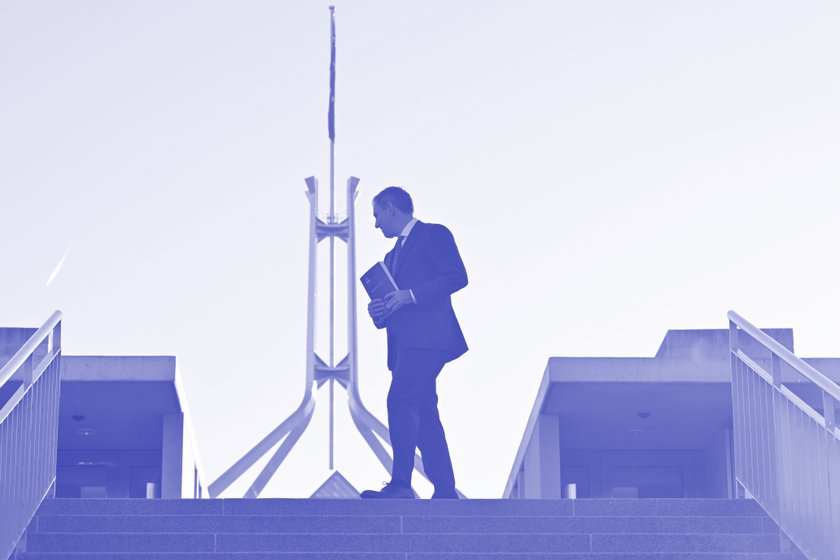
If you think your schedule is packed, take a look at the details of Treasurer Jim Chalmers’ diary ahead of the Future Made in Australia policy and May budget, released to Capital Brief under FOI.
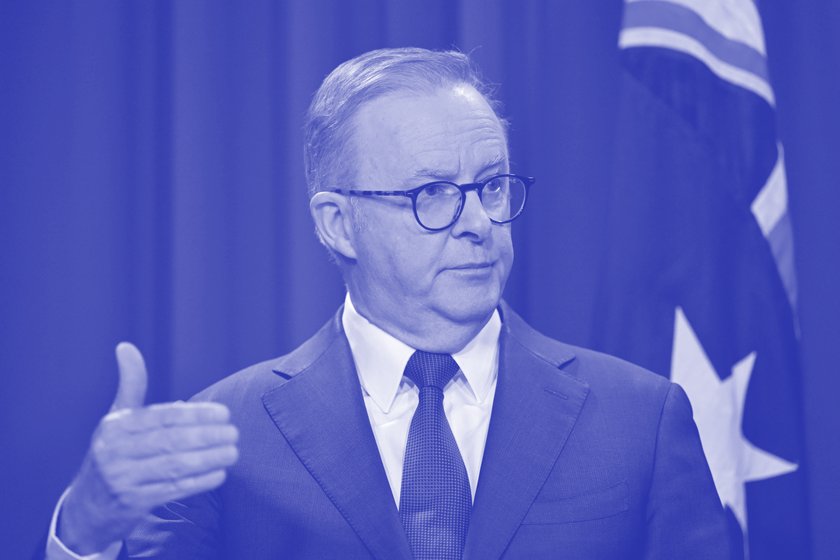
As he prepares for parliament to return next week after the long mid-winter break, the prime minister is getting rid of perceived distractions.
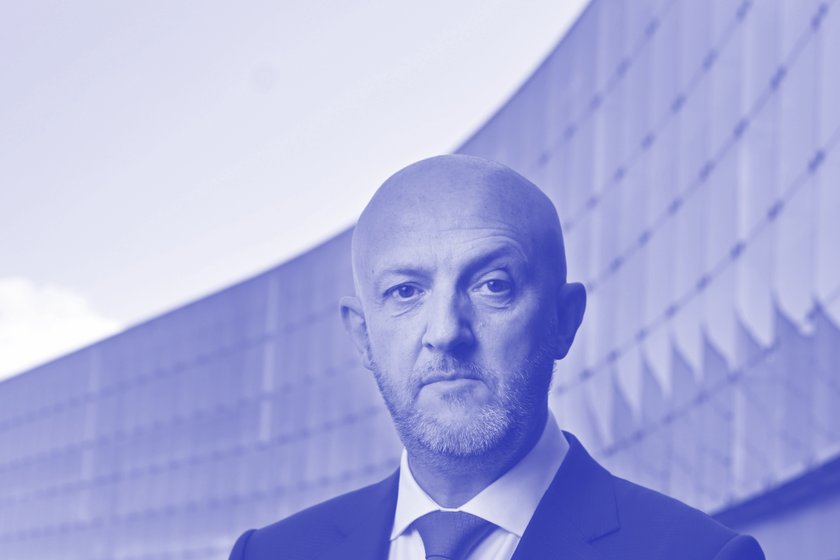
As ASIO's boss announced Australia's terror threat level was being raised, he appeared to abandon language his organisation was staunchly defending last week.
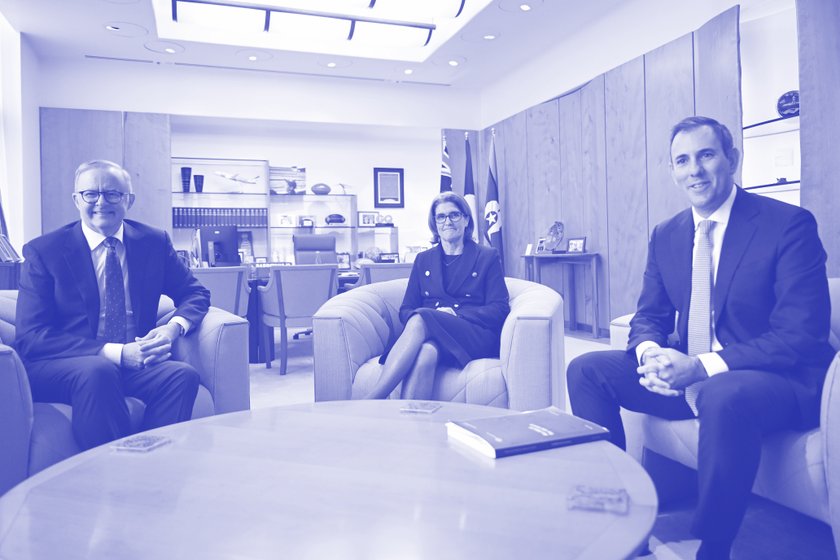
Anthony Albanese and Jim Chalmers may be able to claim victory on inflation sooner than expected.
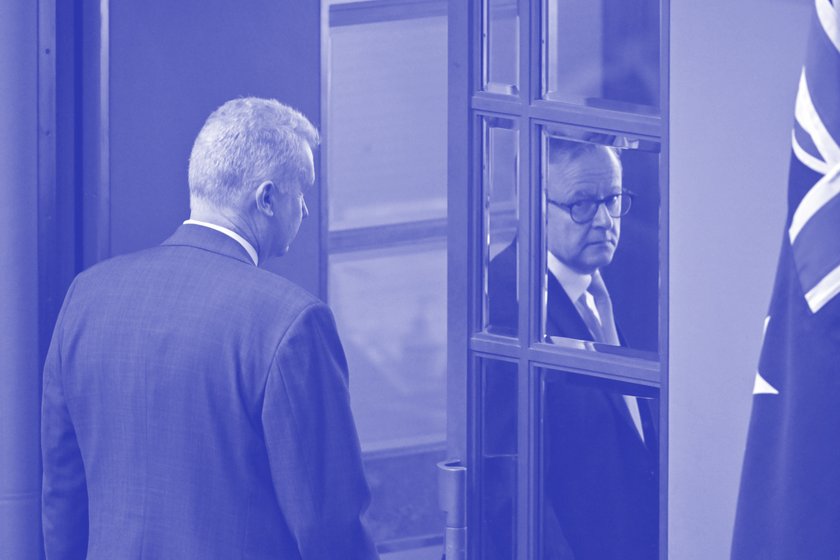
A day after Anthony Albanese’s revamped cabinet was sworn in, there remains some confusion about which minister is chiefly responsible for counter-terrorism and foreign interference.
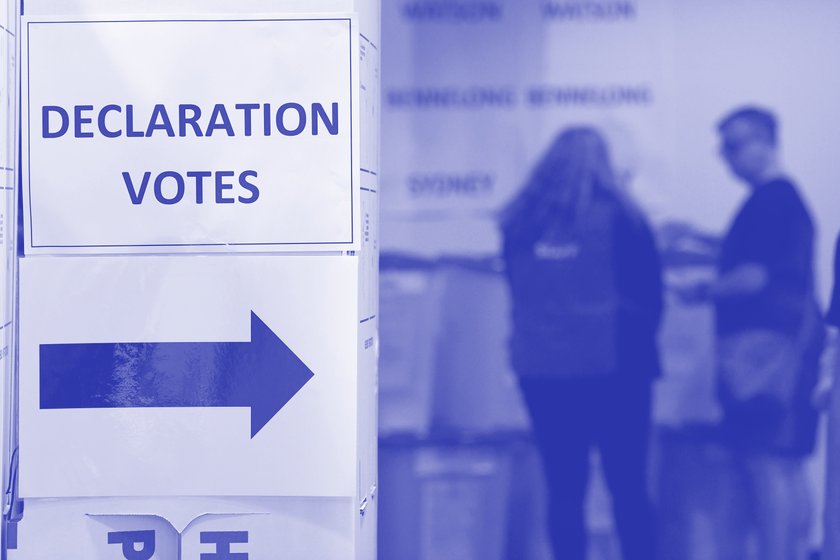
The major parties are bleeding votes to minor parties and independents. We visited two seats on the frontline of their fight for a majority.

Your email address will be stored in accordance with our privacy policy.