The $40 billion industry Australian VCs are ignoring
Sydney-based ARIA Research has created world first tech in an area that attracts a lot of government support and very little VC interest - assistive technology for people with a disability.


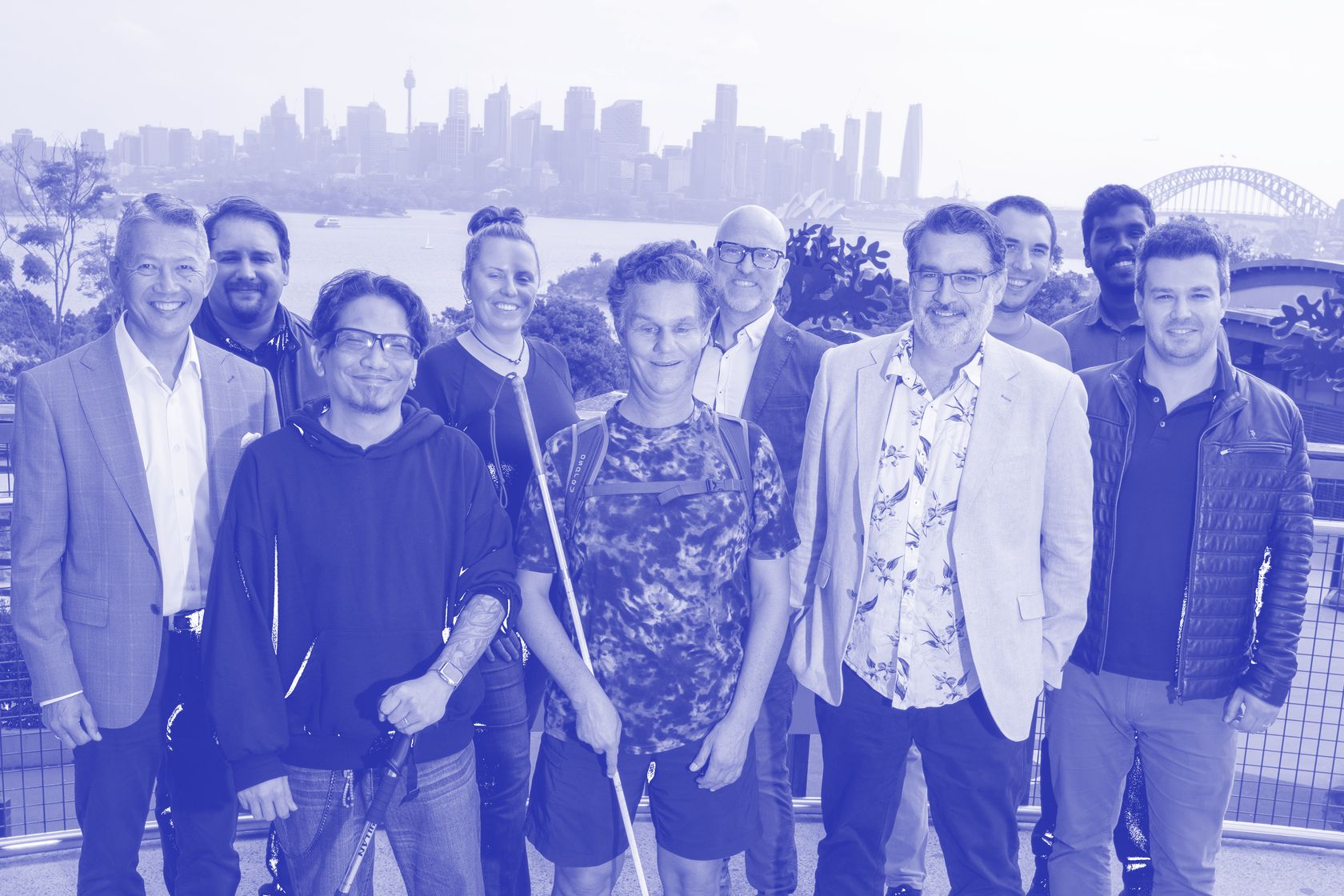
Serial entrepreneur Robert Yearsley has had a long-time fascination with visual technology, particularly Augmented Reality (AR). It wasn’t on his bingo card then that he would be leading an Australian startup creating a medical device for blind people, or that AR would be at the forefront of that innovation.
Yearsley is one of a growing number of companies innovating for the disability sector, but despite the fact that government spending on disability initiatives could outstrip the cost of national defence, it barely attracts Australian VC interest.
ARIA Research, which stands for Augmented Reality in Audio, leverages machine vision and artificial intelligence systems to deliver a sense of vision via sound to people who are blind and low-vision. The world-first device, which looks like a pair of sunglasses, translates the world that is normally seen into a world that can be heard. Yearsley says rather than trying to "fix people’s sight", they approach blindness as an “information access problem”.
"If you think about providing that information to the user, the disability starts to melt away," says Yearsley. "By giving timely information through other senses that works like vision, then all of a sudden you get rid of a massive part of the burden of what this disability brings."