
The US is asking big questions about how to divvy up AI’s potential riches. Australia is still figuring out how to get a seat at the table.

The US is asking big questions about how to divvy up AI’s potential riches. Australia is still figuring out how to get a seat at the table.
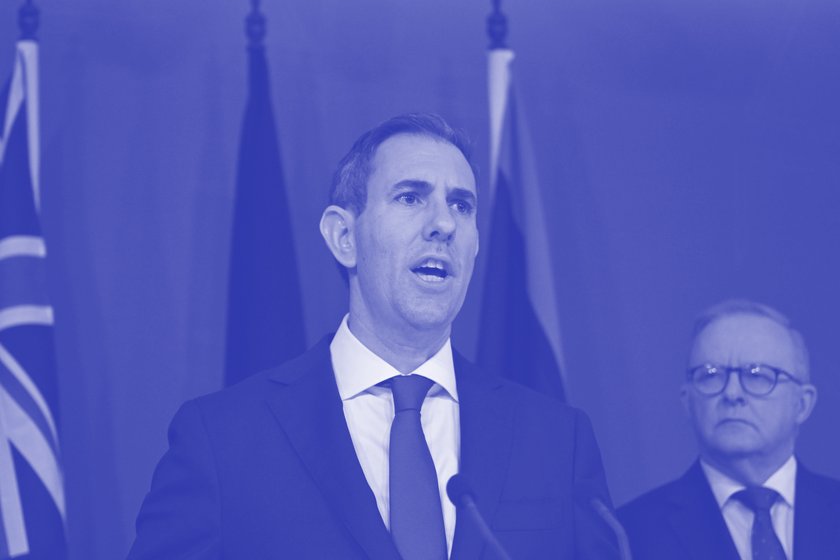
The government’s startup CGT concession is a win, but the fine print could catch out some of the people it will designed to help — and create some admin nightmares.
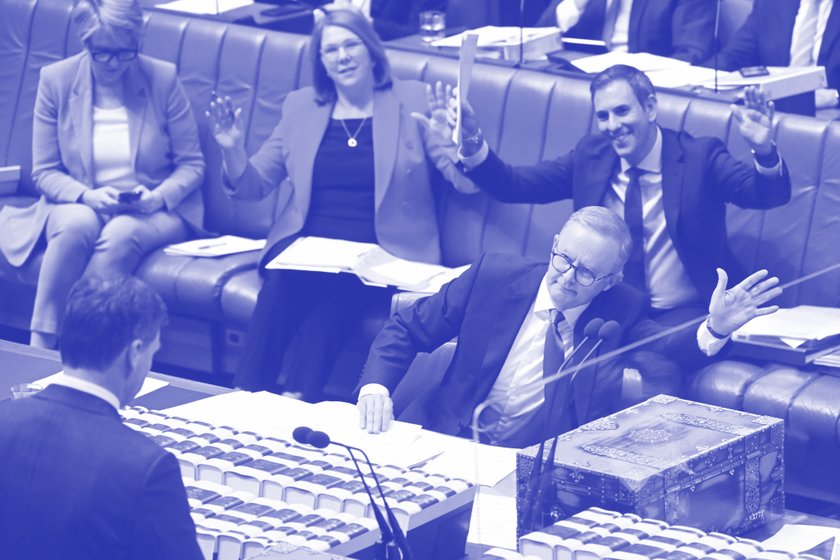
In securing passage for his first tranche of budget legislation this week, Anthony Albanese has created a new political headache for the Coalition.

Biotech leaders such as Brandon Capital’s Chris Nave are concerned the sector lacks political clout as changes to R&D tax breaks get lost in the fight over CGT.

Pauline Hanson’s address to the National Press Club was red meat for her base. But it also laid a few landmines on the road to 2028.
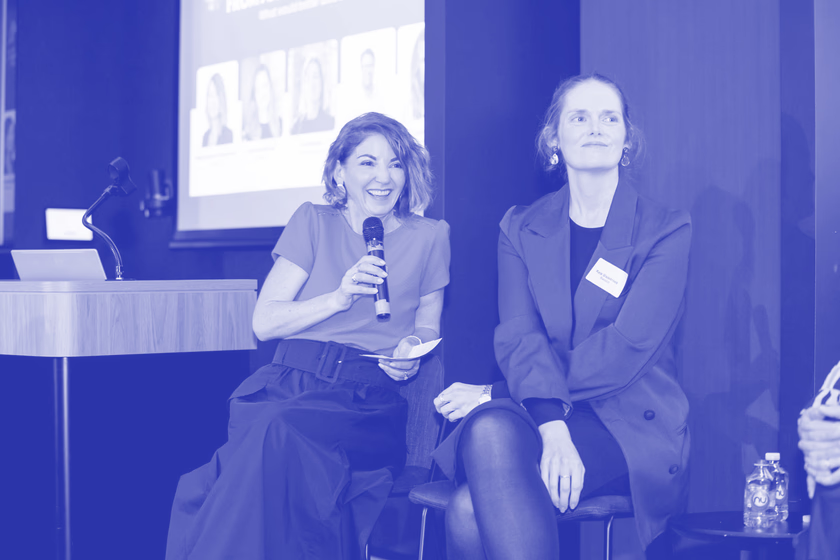
After a decade of watching the same statistic quoted — and the same interventions fail to shift it — Noga Edelstein decided the problem wasn’t the women. It was that nobody could see the system producing the gender funding gap.
Two reports released Thursday chart a decade of world-beating venture growth — and the funding gap that grew with it.

Canva’s rise has been built on conviction and control. AI and public markets may now force it to tell a more complex story.
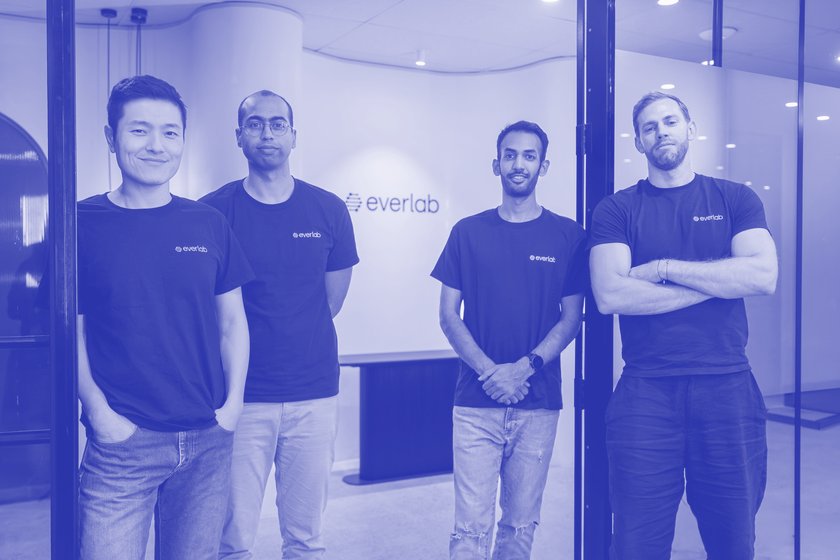
The Melbourne startup says it has processed 21 million biomarker results and is now taking its AI-powered preventative care platform to the UK.

The government aims to have rammed through the key elements of its budget by the end of the month, despite concern in the startup sector.

A year ago they bemoaned AI wrappers. Now Australia’s three biggest VCs are betting on the workflows AI can kill, the work it can sell outright, and the machines it can finally set loose in the physical world.

Australia needs to develop new, high-tech industries. But critics warn the 2026 budget will inhibit growth by punishing risk-takers.
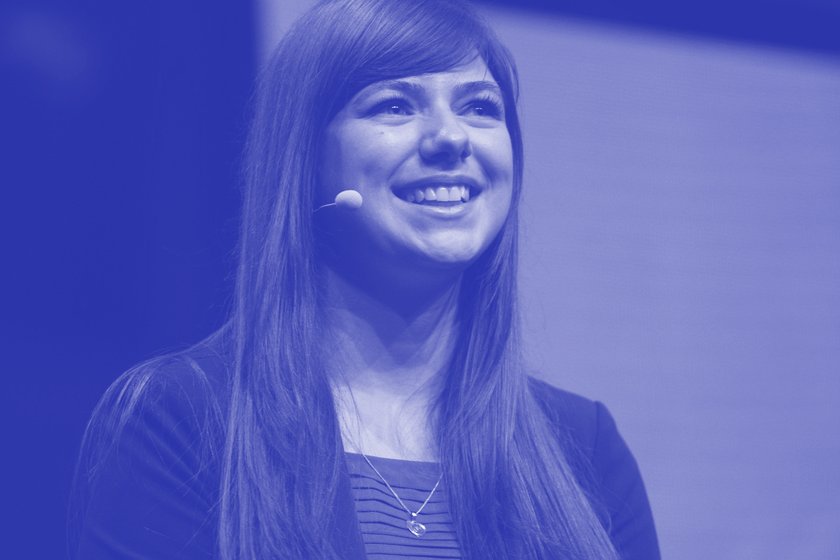
While the budget expanded tax incentives for venture capital funds, the concession built for Australia’s angel investors was left untouched for a tenth year. Now angels are pressing for a fix.

The CGT fight still faces a rocky road in parliament, but the startup sector says the impact is already here as talent pulls out and founders look offshore.

Dom Reardon thinks batteries can finally deliver small businesses the cheap power they miss out on.

The retail bank’s Anthropic punt has given it a front-row seat in AI, and an investment record to make the Silver Donut envious.

The Sydney firm will open a US-based research institute and seek to make five to 10 business investments in the untapped peri- and post-menopause healthcare market.

The senators keen to determine the fate of the government’s capital gains tax changes span the full spectrum of Australian politics — and many have never engaged with the startup sector.
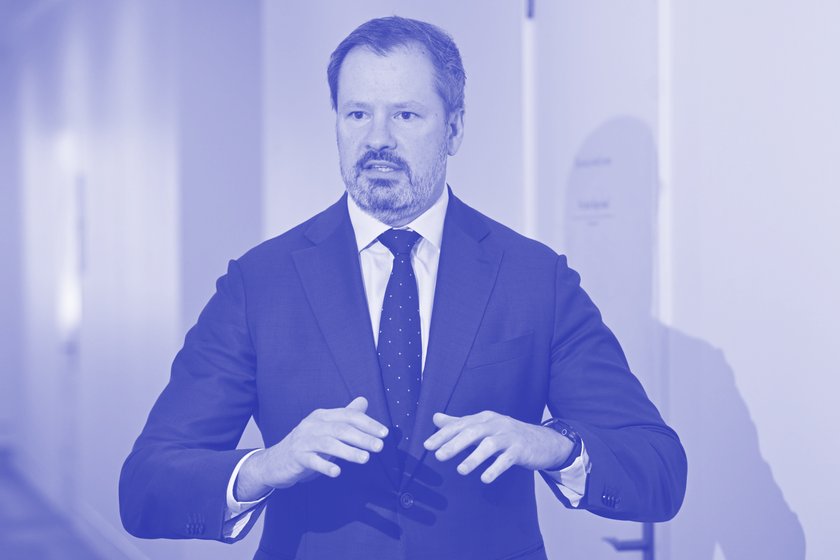
The VC and startup sectors view the former industry minister, knifed in a factional standoff, as a lost ally on innovation. But Ed Husic tells Capital Brief the government is committed to getting the settings right.
Jim Chalmers has opened the door to negotiations with the startup sector over changes to CGT. The question now is who walks through it.

Canva’s secondary offers have created generational liquidity for staff. They may also be making it easier for early leaders to leave.
The same AI capital surge that has rewritten the rules for software companies is now testing the asset class that funded the rewrite.

Gilmour Space, Advanced Navigation and Neara crossed unicorn status in Q1 — none of them traditional SaaS.

After the spectacle of Create, Canva’s AI strategy faces the question confronting every software company: how much intelligence to own and how much to rent.

Canva’s co-founder and COO Cliff Obrecht tells Capital Brief why the company is betting its 250 million users — and its private company advantage — on becoming one of the world’s top AI platforms.
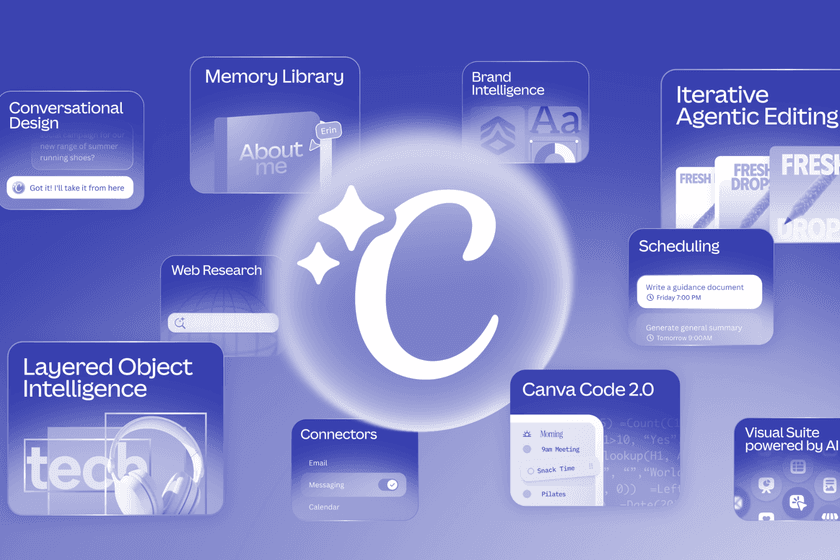
Canva’s IPO has been pushed back as it begins a radical transformation from a SaaS-based business to one built around AI credits — pitting it directly against Anthropic and OpenAI.

Your email address will be stored in accordance with our privacy policy.