
The Melbourne HR tech company is restructuring under new CEO Caroline Rawlinson.


VC and startup correspondent
Bronwen joined Capital Brief after working across the media and startups the last 15 years. She has also worked for both state and federal government helping foster innovation. She was part of the founding team at Culture Amp.
Contact Bronwen via email.
The Melbourne HR tech company is restructuring under new CEO Caroline Rawlinson.
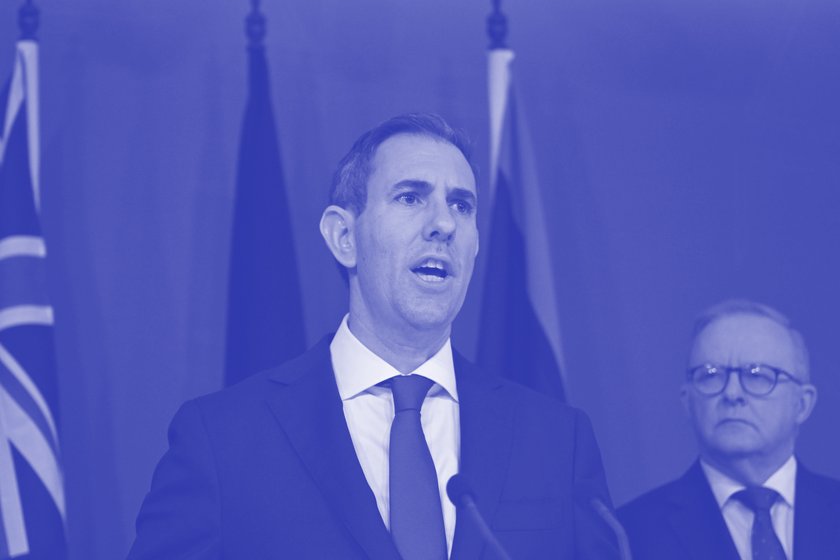
The government’s startup CGT concession is a win, but the fine print could catch out some of the people it will designed to help — and create some admin nightmares.

Token theft has emerged as a real risk in the age of AI, and according to Stripe’s Emily Sands, it could spell the death of freemium software models.

Biotech leaders such as Brandon Capital’s Chris Nave are concerned the sector lacks political clout as changes to R&D tax breaks get lost in the fight over CGT.

After a decade of watching the same statistic quoted — and the same interventions fail to shift it — Noga Edelstein decided the problem wasn’t the women. It was that nobody could see the system producing the gender funding gap.
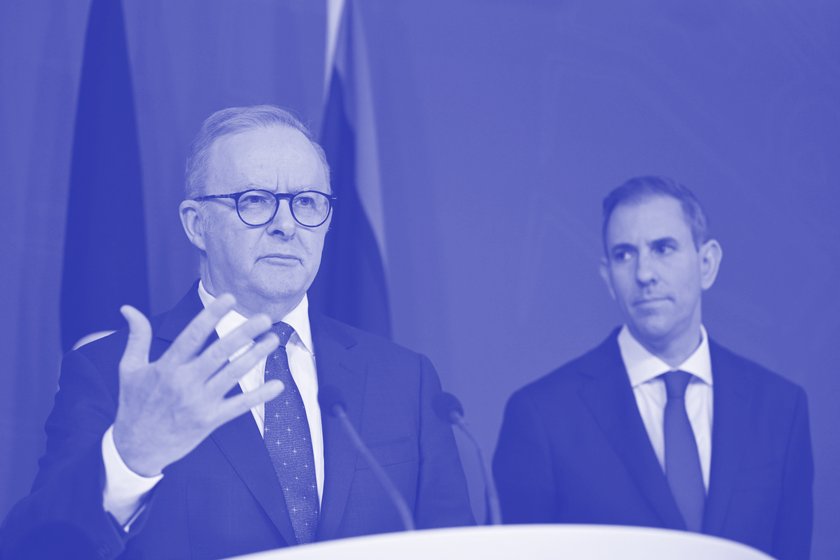
The startup sector got its capital gains tax win today, but big questions over eligibility, secondaries and holding periods are far from settled.

Two reports released Thursday chart a decade of world-beating venture growth — and the funding gap that grew with it.

Canva’s rise has been built on conviction and control. AI and public markets may now force it to tell a more complex story.

In leaked investor communications, founding shareholder Bill Tai concedes Canva is facing challenges on the path to its IPO, and reveals it rejected approaches from its chief rival.
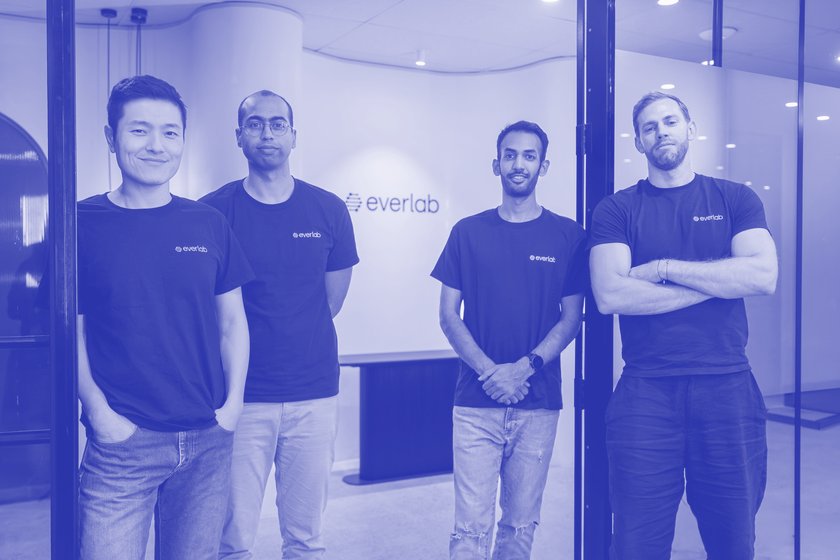
The Melbourne startup says it has processed 21 million biomarker results and is now taking its AI-powered preventative care platform to the UK.
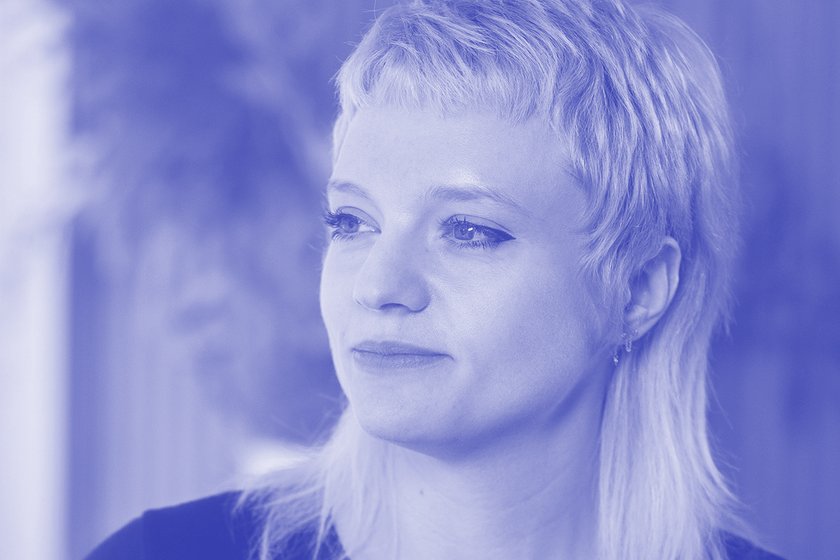
In an exclusive interview, the philosopher tasked with teaching Claude right from wrong talks safety, identity, and whether the ceiling on AI capability is closer than we think.

A year ago they bemoaned AI wrappers. Now Australia’s three biggest VCs are betting on the workflows AI can kill, the work it can sell outright, and the machines it can finally set loose in the physical world.

While the budget expanded tax incentives for venture capital funds, the concession built for Australia’s angel investors was left untouched for a tenth year. Now angels are pressing for a fix.
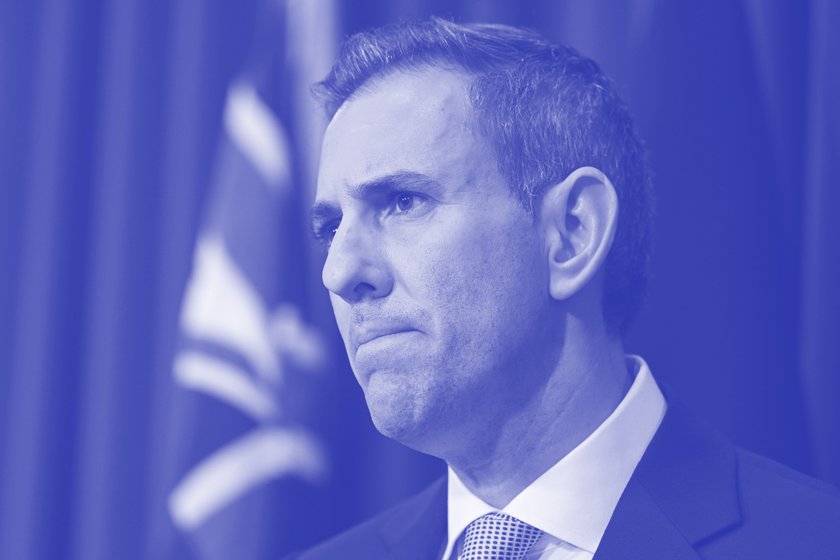
The startup sector is cautiously hopeful of a CGT carveout, but first it has to navigate a rapid-fire Senate inquiry and Canberra’s consultation queue.

The CGT fight still faces a rocky road in parliament, but the startup sector says the impact is already here as talent pulls out and founders look offshore.

Dom Reardon thinks batteries can finally deliver small businesses the cheap power they miss out on.

Australia’s digital health sector is growing fast — but the companies building the next generation of regulated medical technologies say they are being cut off from the capital they need to survive.
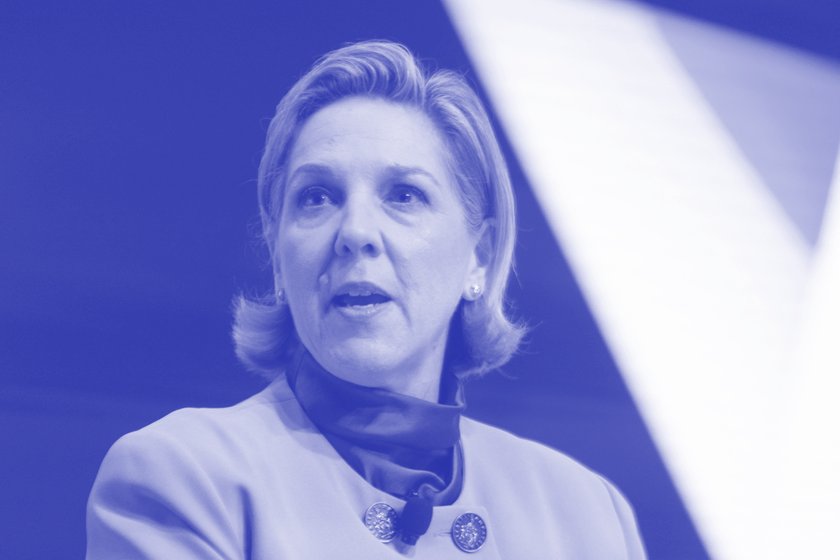
Deep tech firms can spend decades on R&D before earning revenue. These companies argue the proposed tax incentive age cap could cut them off mid-flight.

The federal budget has united startups in outrage — but as the sector heads into consultation, its fragmented demands could leave it walking away with nothing.

A slew of ASX listed biotech and critical minerals names could lose millions due to changes in R&D incentives that have sparked concerns across the wider innovation community.

A little-noticed budget measure capping the refundable R&D tax incentive at 10 years threatens to cut off Australian biotech companies at the moment they are most expensive to run.
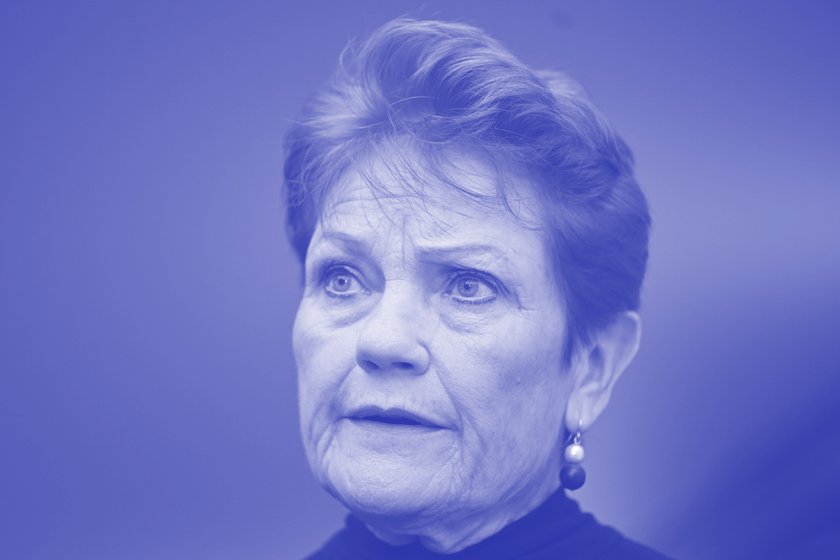
The senators keen to determine the fate of the government’s capital gains tax changes span the full spectrum of Australian politics — and many have never engaged with the startup sector.
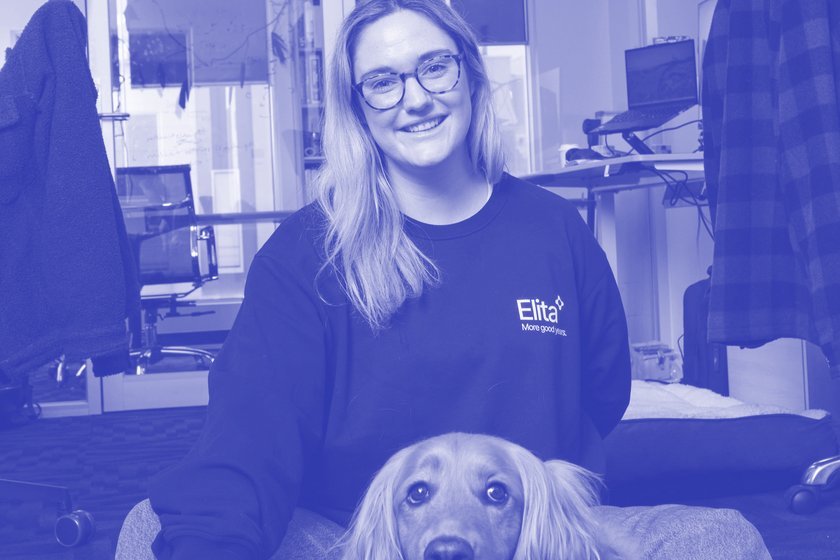
Jim Chalmers has opened the door to negotiations with the startup sector over changes to CGT. The question now is who walks through it.
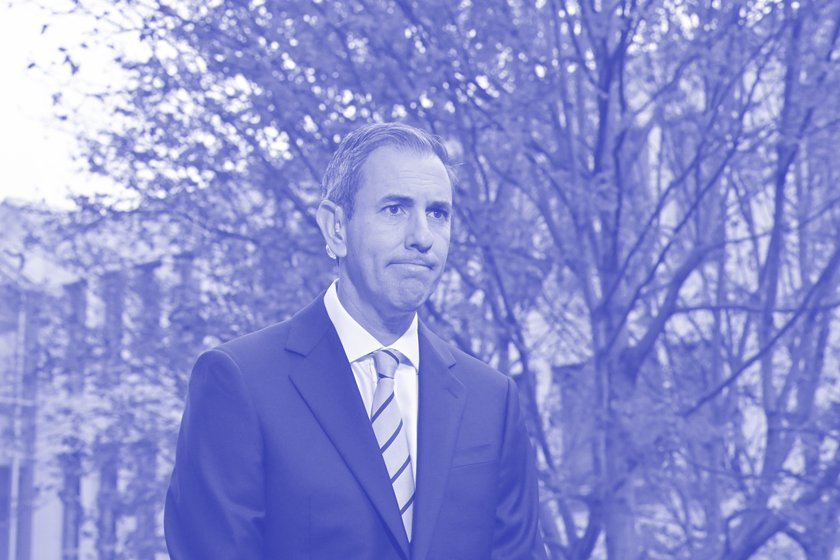
If the local startup ecosystem wants to win the capital gains tax fight, they need to show voters this is about Australia’s next economy, not founders’ tax bills.

The Sydney venture firm is changing as the “most significant platform shift in a generation” upends its portfolio companies, and VC itself.
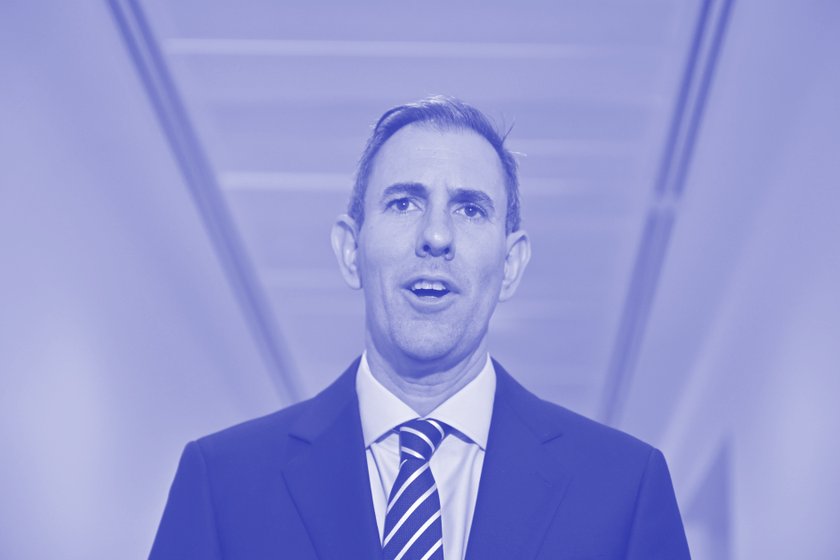
Once again, the startup sector is pushing back hard against mooted tax changes it says would hit founders and employees paid in equity.

Canva’s secondary offers have created generational liquidity for staff. They may also be making it easier for early leaders to leave.
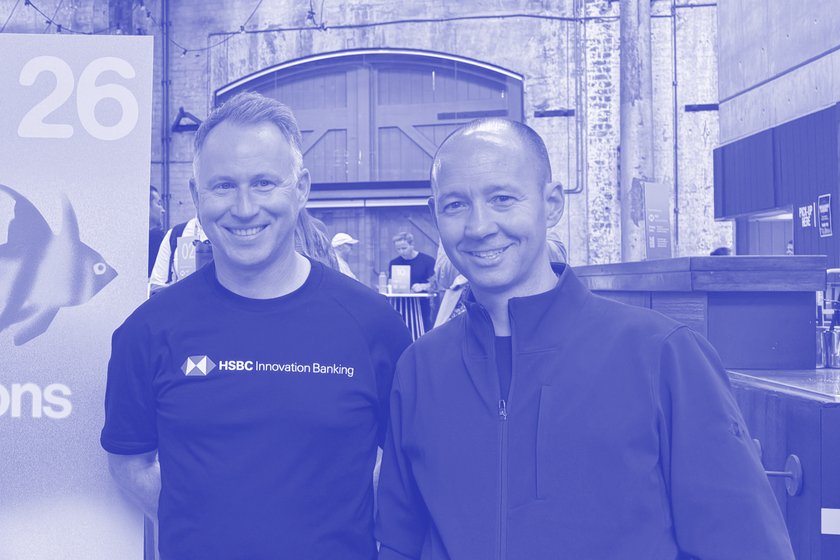
The same AI capital surge that has rewritten the rules for software companies is now testing the asset class that funded the rewrite.
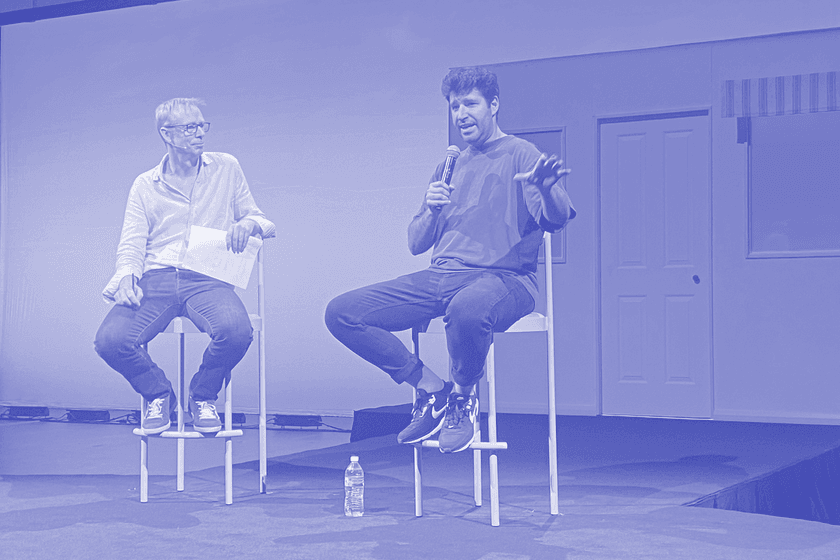
At Blackbird’s Sunrise event the Canva COO said growth in headcount would slow to 5% from 50% in earlier years as he unveiled a new AI competency framework for staff.

A wild online claim about Anthropic acquiring Atlassian shows how anonymous forums can turn takeover speculation into something like a prayer.

Gilmour Space, Advanced Navigation and Neara crossed unicorn status in Q1 — none of them traditional SaaS.

Attackers now sit inside victims’ networks for more than 200 days before striking, giving them time to encrypt the backups companies rely on to avoid paying.

After the spectacle of Create, Canva’s AI strategy faces the question confronting every software company: how much intelligence to own and how much to rent.

Canva’s co-founder and COO Cliff Obrecht tells Capital Brief why the company is betting its 250 million users — and its private company advantage — on becoming one of the world’s top AI platforms.

Your email address will be stored in accordance with our privacy policy.