
Let the speculation over who will lead the $206 billion Future Fund begin.

Your complimentary access ends . To keep reading without interruption, subscribe today.

Economics correspondent
Jennifer Duke is the associate editor for Capital Brief. She is a Walkley Award winning journalist with more than a decade's experience, specialising in economics, business and finance. She has worked for The Sydney Morning Herald and The Age as economics correspondent and as a business journalist.
Contact Jennifer via email or Signal.
Let the speculation over who will lead the $206 billion Future Fund begin.
Strong intuition is hugely important in the financial industry. But in a world of increasing unpredictability, modelling might just have an edge.
Australia has faced years of compounding economic shocks, but this year it was house prices that surprised Michele Bullock the most.
The government is facing pressure to deal with the cost of living crisis in the wake of the Voice referendum defeat. But economists warn it risks making things worse.
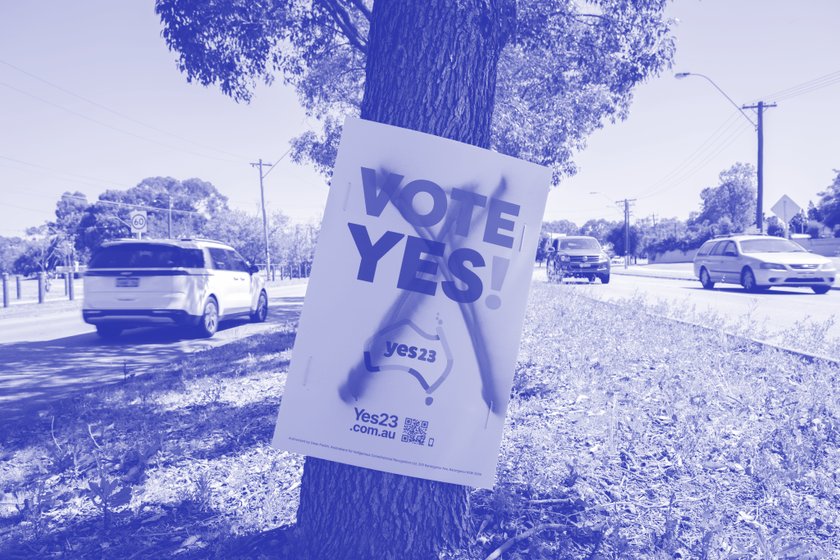
Many of our biggest companies were outspoken in their support for the Voice. The results of Saturday's vote indicate Australians either weren't listening, or didn't like what they heard.
For CEDA's chief economist, economics must be about more than growth for the sake of growth.
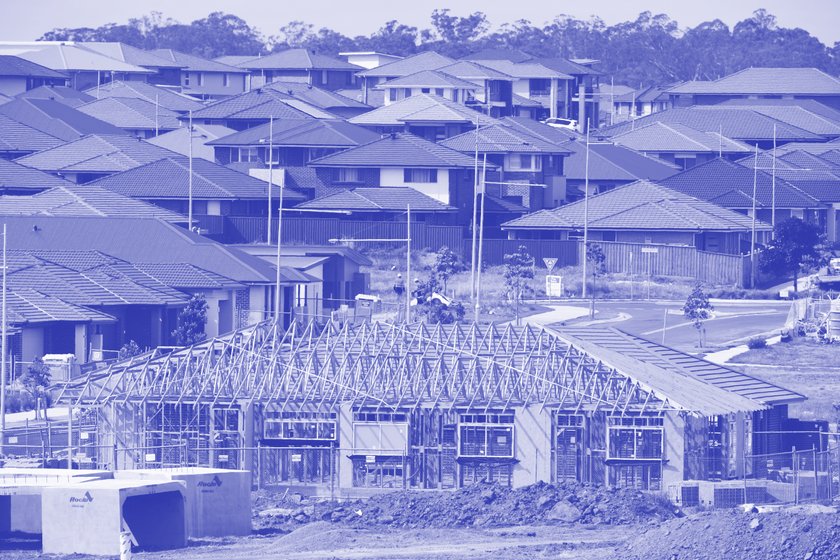
Australian households are feeling the pain of interest rates. But we need to look at the underlying disease in the housing market.
CEDA's CEO Melinda Cilento shares her reflections on the Voice and what it will mean if the referendum fails.
Claudia Goldin’s work on power couples and greedy jobs provides key insights into the forces underpinning gender inequality.

Ric Deverell spent the first half of his career as a public servant, and this has left him alert to the grey areas of economic policy challenges.

Economists were forecasting a “mortgage cliff” as borrowers on fixed loans adjusted to sharply higher rates. But it now looks like renters are the ones falling off it.

When rents are soaring, it's not only tenants who pay the price.

Corporate Australia has showed its hand and largely swung behind the Voice. But what about our top think tanks?
An FOI request on the RBA’s internal discussions outlines concerns about the extreme lengths people are taking to make mortgage repayments, even in ‘prosperous suburbs of Sydney’.
Some of the nation’s leading accounting and financial planning groups are urging the government to ditch plans to legislate an objective for superannuation.
At least two former leaders of the central bank are concerned that proposed changes, set to be legislated in coming months, go too far.
The Albanese government's new Employment White Paper covers some critical ground. But there’s one area it doesn’t really dig into — startups.
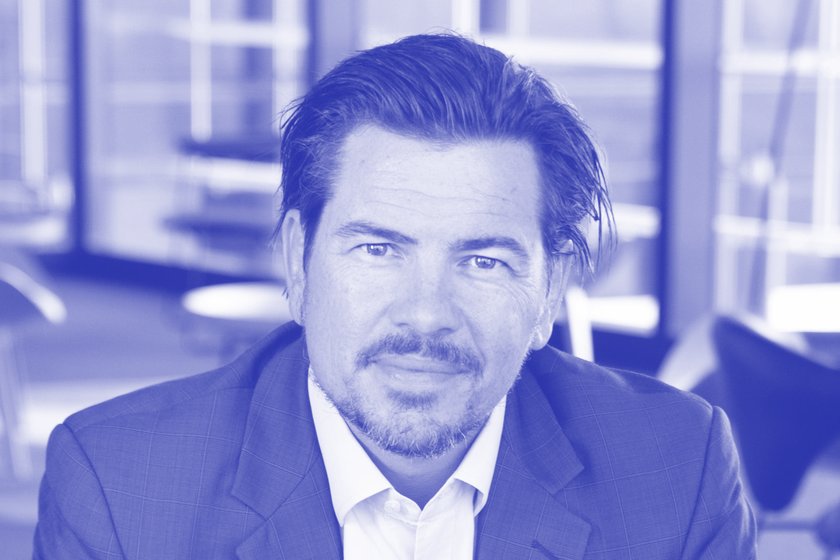
HSBC chief economist Paul Bloxham spent his childhood in Port Hedland, taking singing lessons and dreaming of a life on stage.
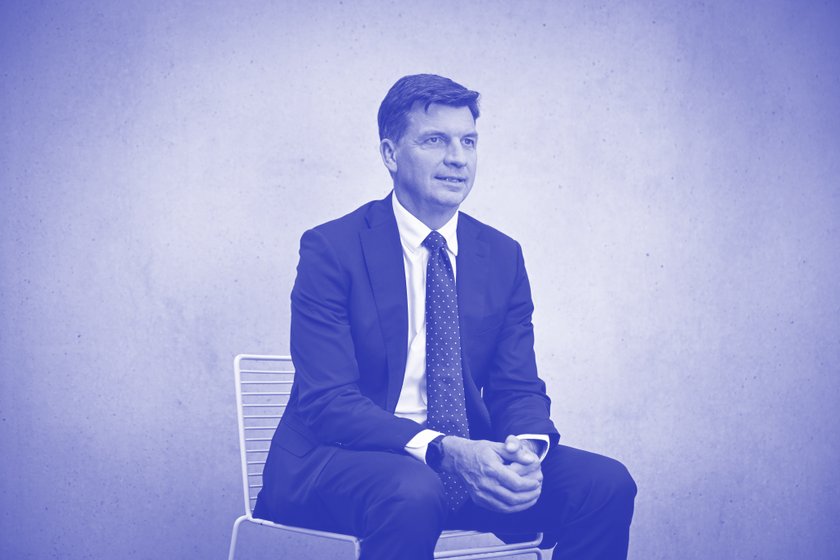
With home ownership getting more out of reach for younger Australians, shadow treasurer Angus Taylor says the Coalition will work on scaling up City Deals to address the supply side of the problem.
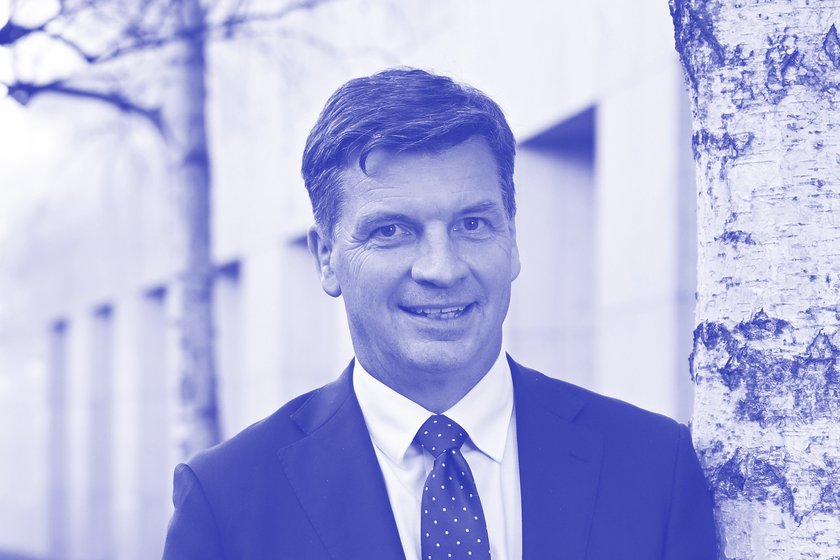
In a wide-ranging interview with Capital Brief, the shadow treasurer lays out plans to fix productivity and housing affordability and reignite aspiration.
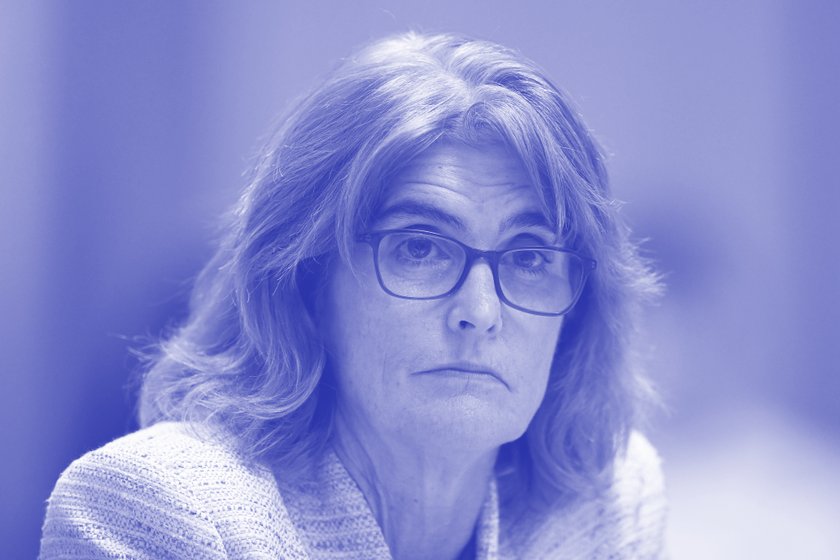
Michele Bullock steps up as RBA Governor today. In her first speech in her last role, she identified three potential sources of systemic risk for the financial system.
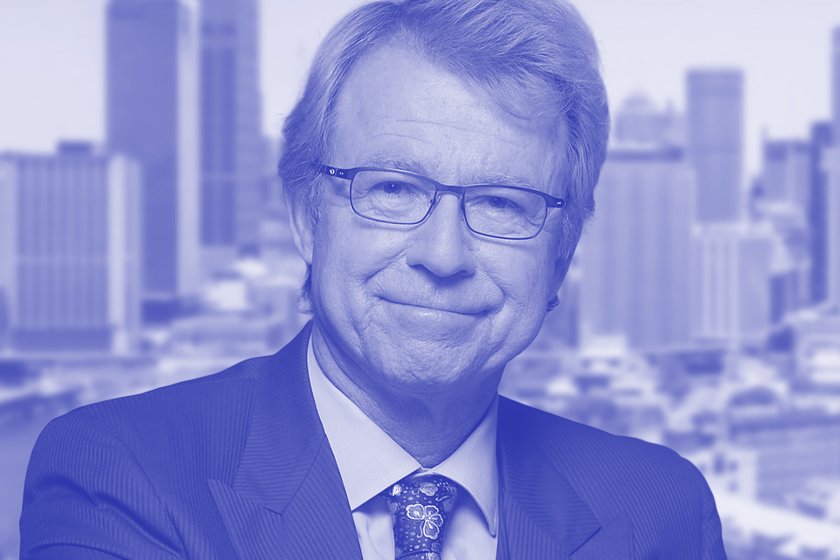
AMP chief economist Shane Oliver is constantly looking for the right balance.

When was the last time you paid for something with coins? If it’s a stretch to remember, you’re not alone.
The Reserve Bank is engaging in economic backburning. But that will be of little consolation to those who end up feeling the heat.
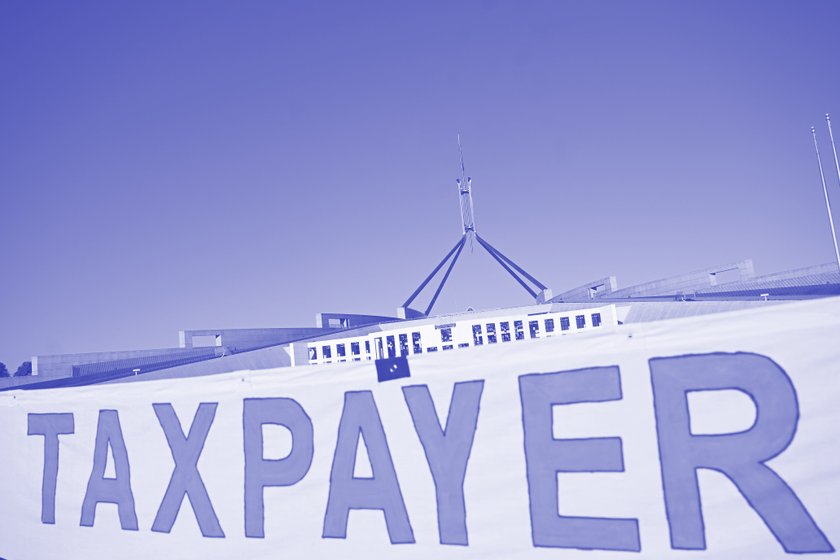
Some of Australia’s leading economists support indexing income tax to stop workers falling prey to bracket creep and improve transparency in government spending.
The Australian insurance industry is struggling with working out how to properly measure and price cyber risk.
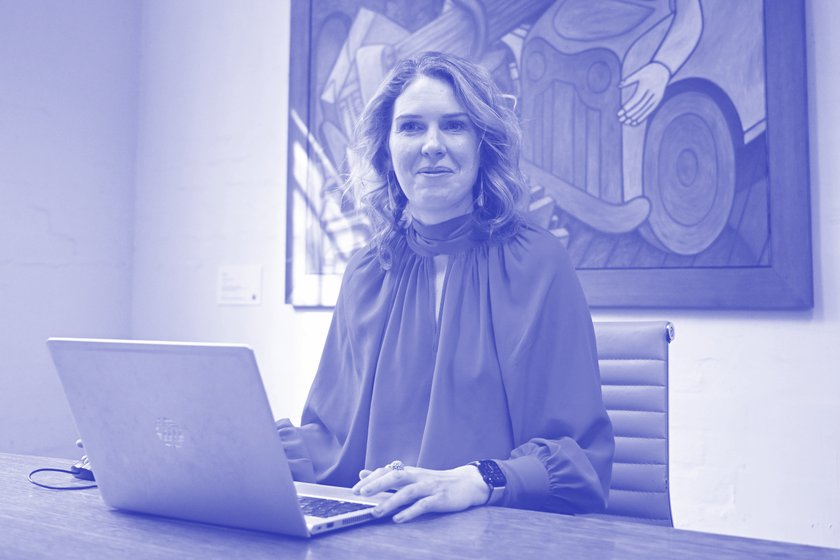
The incoming Productivity Commission chair and current Grattan Institute chief executive thinks indexing income tax rates makes sense. But politically it’s a lot murkier.
When the federal treasurer was putting together his first two budgets, he requested extra detail about the controversial stage three tax cuts.
Alan Oster has been NAB's chief economist since 1992. His experiences in the 1980s led him to believe that we should never take recessions lightly.

We've managed to move to monthly inflation data releases - why not GDP data too?
And this time around the prominent fund manager wants to form an unlikely alliance to fight changes to the dividend imputation system — with the federal Greens.
Stephen Halmarick has witnessed plenty of economic challenges during his career. The struggles young Australians are facing in the housing market is up there with the biggest.
Artificial intelligence is increasingly being used within the public service. But one government agency chief expects to be “in the vanguard” of this new technology.

In her first in-depth interview since the Optus cyberattack, CEO Kelly Bayer Rosmarin tells Capital Brief she's ready to move on.

The big four bank's chief economist wants Australia to look beyond the US and UK for ideas.

"If we can work with TPG, that would be great," Kelly Bayer Rosmarin said.

Carsales CEO Cameron McIntyre recently sold a Tesla after putting 80,000 kilometres onto its odometer. Then he bought another.
The Intergenerational Report tells us what we already know — the debt bill is rising and our politicians don't want to talk about tax reform.

In part two of an interview with Capital Brief, the Federal Treasurer makes the case for viewing the economy differently.
In an extensive interview with Capital Brief, the Treasurer lays out his vision for an economy that will be markedly different to the past.

Your email address will be stored in accordance with our privacy policy.