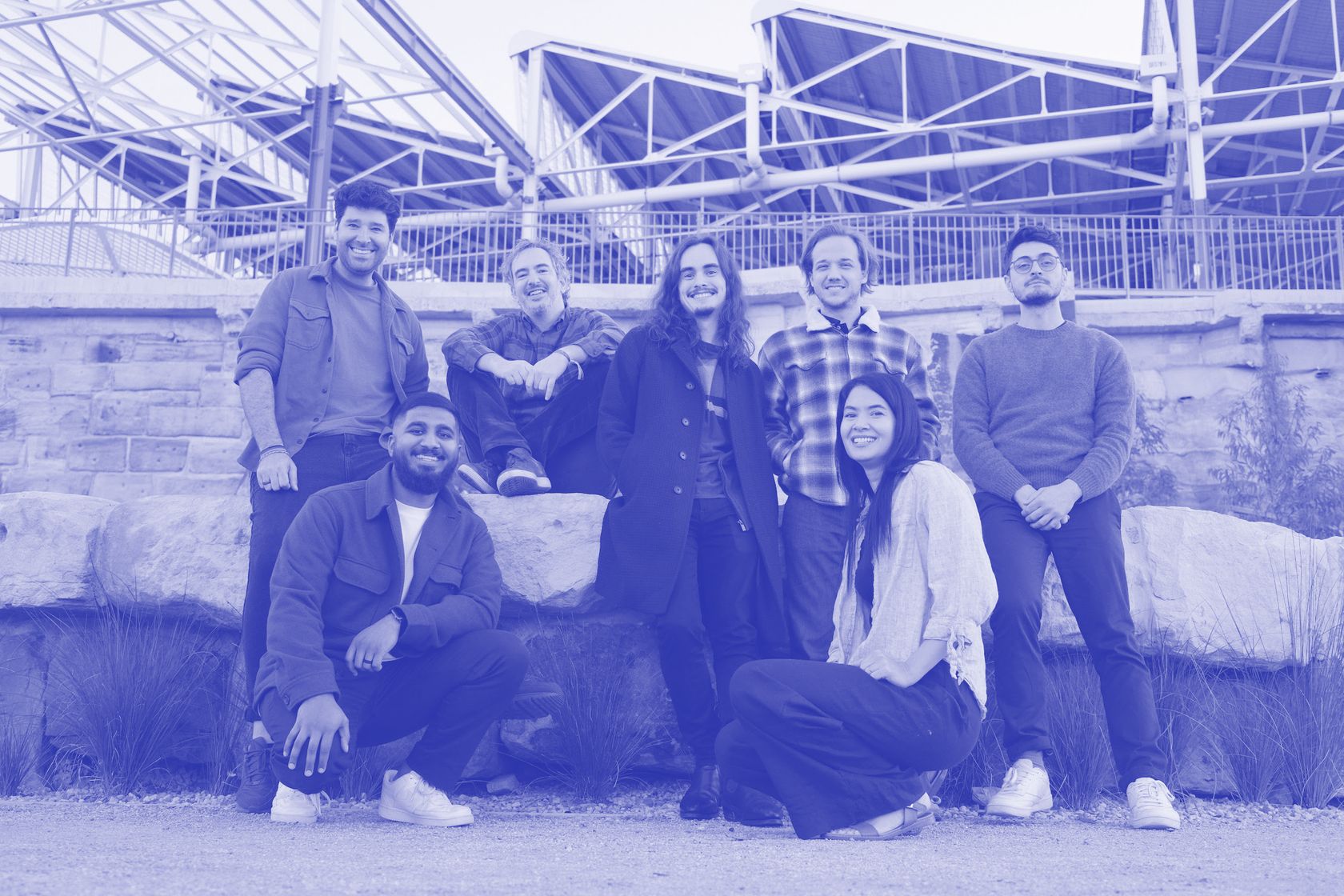
There are many upsides to Canva's hugely significant acquisition of Leonardo.Ai. Having an in-house foundation AI model and the talent that built it will go a long way to making Canva's product suite deeper and its competitive moat wider. As far as strategic moves ahead of an IPO go, this one is most certainly a winner.
But generative AI carries with it more than just a promise of riches. For the companies that deploy it and especially for those that make it, it can also be a big ol' headache.
Canva’s Magic Studio suite of AI tools has until now been fuelled by artificial intelligence from OpenAI and Google, so any concerns from society or governments about responsible AI development could be passed onto them. Once the buyout of Leonardo.Ai (and its Phoenix foundation model) is finalised, however, that buck will also stop with Canva.
It's not merely a hypothetical. In March, it was discovered by 404 Media that a few users of Leonardo.Ai had figured out how to overcome the text-to-image generator’s guardrails and create explicit deepfakes of celebrities like Billie Eilish and then shared tips in a Telegram group. Leonardo.Ai reacted quickly and patched its software, and the issue essentially went away.