The government’s startup CGT concession is a win, but the fine print could catch out some of the people it will designed to help — and create some admin nightmares.

The government’s startup CGT concession is a win, but the fine print could catch out some of the people it will designed to help — and create some admin nightmares.

Canva’s rise has been built on conviction and control. AI and public markets may now force it to tell a more complex story.

A year ago they bemoaned AI wrappers. Now Australia’s three biggest VCs are betting on the workflows AI can kill, the work it can sell outright, and the machines it can finally set loose in the physical world.
The startup sector is cautiously hopeful of a CGT carveout, but first it has to navigate a rapid-fire Senate inquiry and Canberra’s consultation queue.

The CGT fight still faces a rocky road in parliament, but the startup sector says the impact is already here as talent pulls out and founders look offshore.

The federal budget has united startups in outrage — but as the sector heads into consultation, its fragmented demands could leave it walking away with nothing.
If the local startup ecosystem wants to win the capital gains tax fight, they need to show voters this is about Australia’s next economy, not founders’ tax bills.

Canva’s secondary offers have created generational liquidity for staff. They may also be making it easier for early leaders to leave.

A wild online claim about Anthropic acquiring Atlassian shows how anonymous forums can turn takeover speculation into something like a prayer.

After the spectacle of Create, Canva’s AI strategy faces the question confronting every software company: how much intelligence to own and how much to rent.

Private valuations are now more rigorous, more structured and more closely scrutinised than they once were. Just in time for the market to put them to the test.

A string of startup acquisitions is putting liquidity back on the table for VCs, even as questions linger about lost breakout potential.
When one Slack post at Canva can spark mass redundancy fears, it says more about the software sector’s anxiety than the company itself.

Canva’s acquisition of Doohly adds another piece to its push beyond design and into a broader AI-powered marketing stack.

The story of how Koala became the accidental talent incubator behind Eucalyptus, one of Australia’s biggest venture exits.

Jessy Wu has caught the startup ecosystem’s attention before. This time, it’s with an 80,000-word novel featuring a longevity startup scandal — and a sex scene or two.

When a VC firm with no Australian registration, no public profile and no obligation to explain itself keeps backing unicorns, it’s worth asking where the money comes from.

The Eucalyptus sale is the biggest Australian startup exit in years. It’s also proof that the local ecosystem can build globally competitive companies, back them properly and actually get paid.

Seek is selling its stake in Employment Hero, one of its best-performing investments. Turns out the lawsuit was just couples therapy.
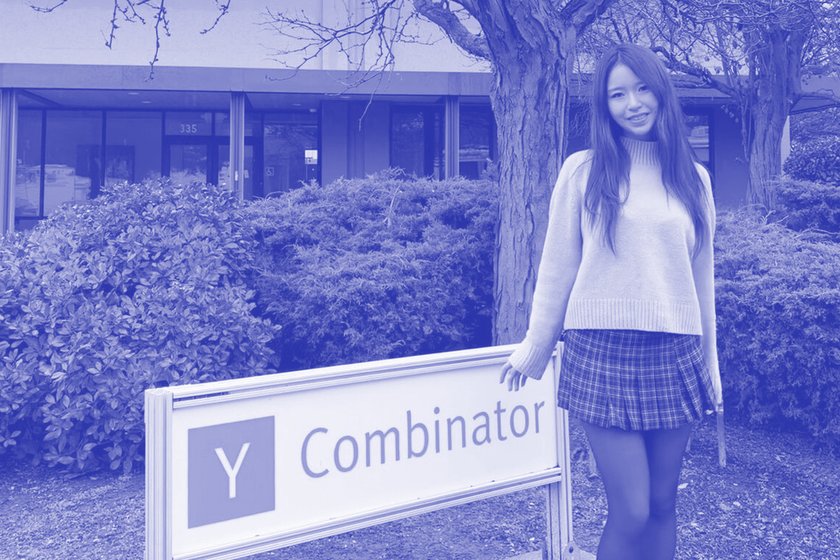
AI coding tools are lowering the barriers to build startups, giving more women, like Lucent's Alisa Rae, a clearer path to become solo founders.
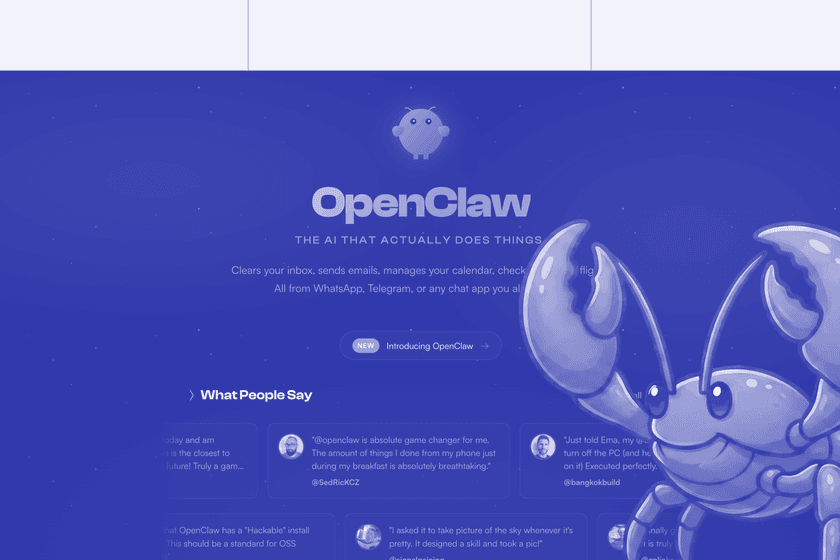
While OpenClaw and Moltbook stole headlines over the past week, the real shake-up was in the AI coding tools quietly redefining how startups are built — and how many people it takes to build them.

Australia's top VCs are sitting on record dry powder as the AI boom continues to reshape the investment landscape.

As AI tools spark a global SaaS sell-off, Australia’s top VCs say the business model isn’t dying, but being reshaped, repriced and rebuilt for a new era.

From solo founders raising millions overnight to incumbents struggling to keep pace, our coverage this year shows how AI rewarded velocity and stripped incumbency of its usual advantage.

A week after facing scrutiny over China ties, Airwallex's CEO took to social media to stress the company’s Melbourne origins. It was as much about repositioning as reminiscing.
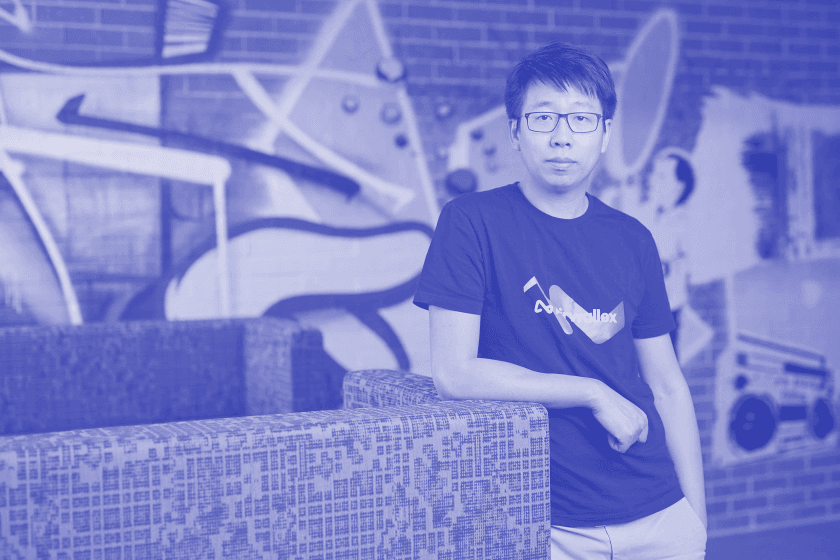
A good old-fashioned Twitter rant by a prominent US venture capitalist has dragged long-simmering questions about Airwallex’s ties to China into the open.

Blackbird’s valuation adjustments for Culture Amp and SafetyCulture show how shifting markets shape venture values, and why write-downs aren’t always bad news.

Block is doubling down on Bitcoin, aiming to transform it from a volatile asset into a practical payment system for everyday transactions.

The government says “equity is foundational”. For the women who built a program to prove it, it’s become another disappointing lesson in who really holds power.

Tenmile’s evergreen model keeps returns in the fund, backing new generations of Australian life sciences startups instead of paying out investors.
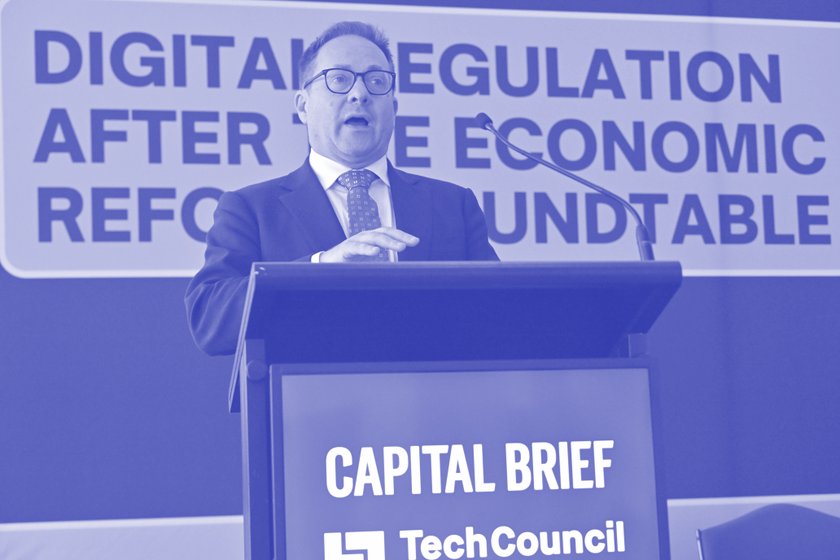
As Australia tiptoes around AI regulation, billions in data investment are heading offshore — and AirTrunk’s Saudi deal overnight is the latest warning sign.

While the tech world races to declare AI supremacy, Notion CEO Ivan Zhao takes a craftsman's approach to language models — comparing them to brewing beer rather than building bridges.

SXSW Sydney quietly lost two of its major drawcard speakers — Signal’s Meredith Whittaker and billionaire Lucy Guo — as it becomes better known for its side events than the main program.
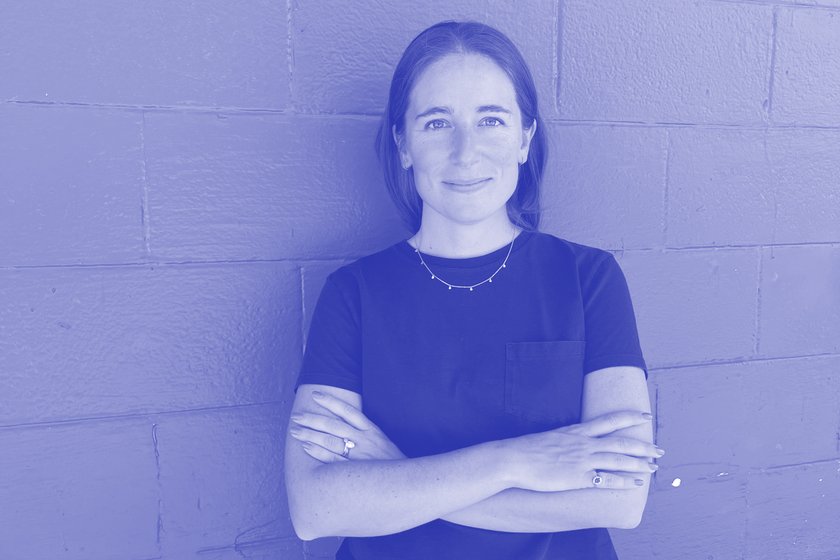
As women leave VC due to limited pathways, Maxine Minter of Co Ventures says there’s another route forward for those who want to stay: building their own funds.
The bank has pulled the plug on the venture arm it launched in 2019, and will fold its investments into a new structure amid a broader cost-cutting agenda.

Only 27% of ASX 200 companies have disclosed AI activity, according to new research from Matt Vitale’s New Dialogue, compared with 90% of the Fortune 500.
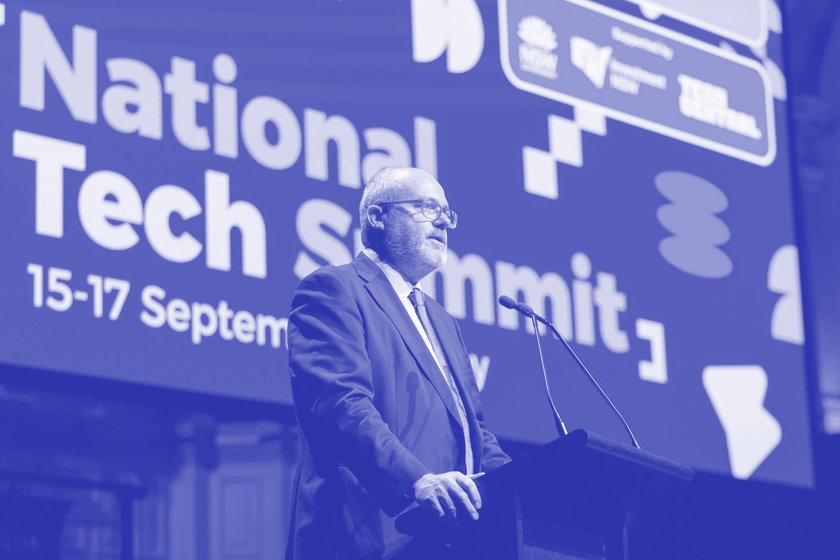
After years of juggling disparate causes, the Tech Council of Australia has found in artificial intelligence a high-stakes issue to rally around.
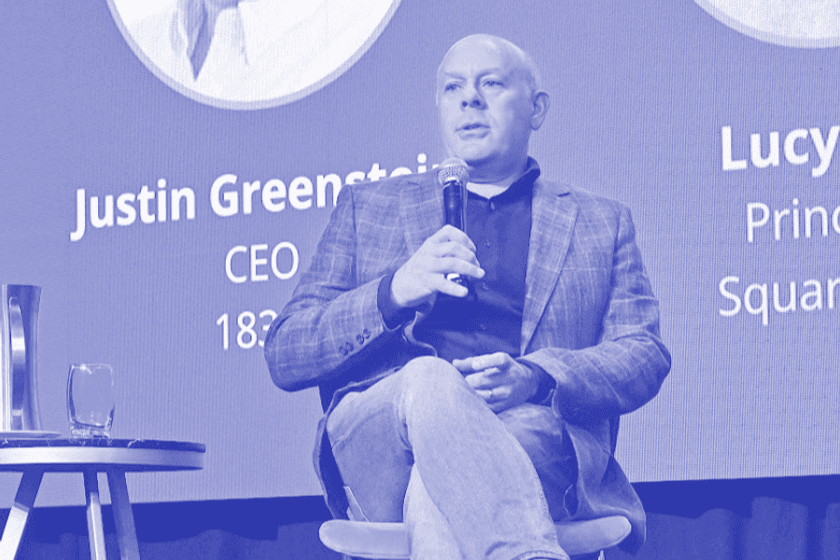
ANZ's venture capital arm 1835i is under scrutiny as part of CEO Nuno Matos' cost-cutting drive. Is it game over for the Australian corporate VC experiment?
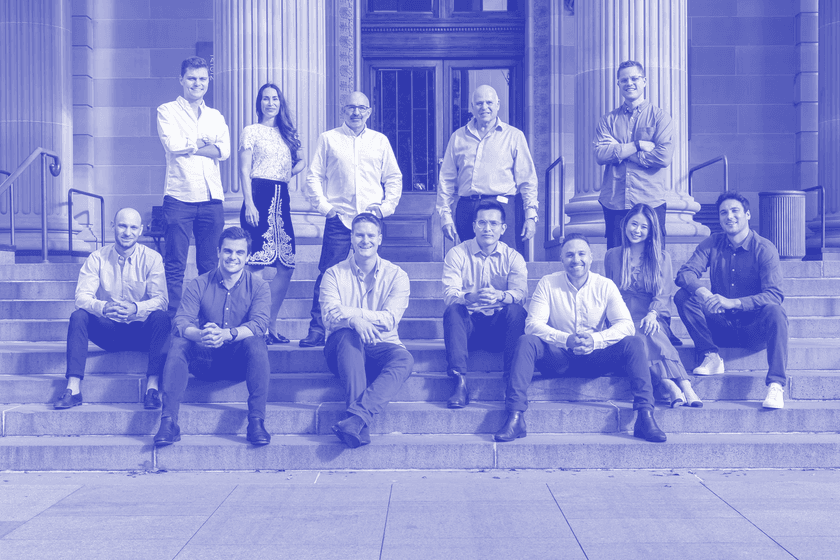
Nearly seven months after leading an investment into StrongRoom AI, Misha Saul has departed Sydney venture firm EVP.

The Tasmanian founder of popular Apple design app Procreate is one of the few sceptical voices in tech on generative AI. "When civilisation has no incentive to produce, we get into a very dark time."

Your email address will be stored in accordance with our privacy policy.