
The data centre boom is well and truly on its way to Australia. Whether it helps local startups build globally competitive AI companies is a different question.

The data centre boom is well and truly on its way to Australia. Whether it helps local startups build globally competitive AI companies is a different question.

Canva’s rise has been built on conviction and control. AI and public markets may now force it to tell a more complex story.

In leaked investor communications, founding shareholder Bill Tai concedes Canva is facing challenges on the path to its IPO, and reveals it rejected approaches from its chief rival.
Canva’s secondary offers have created generational liquidity for staff. They may also be making it easier for early leaders to leave.
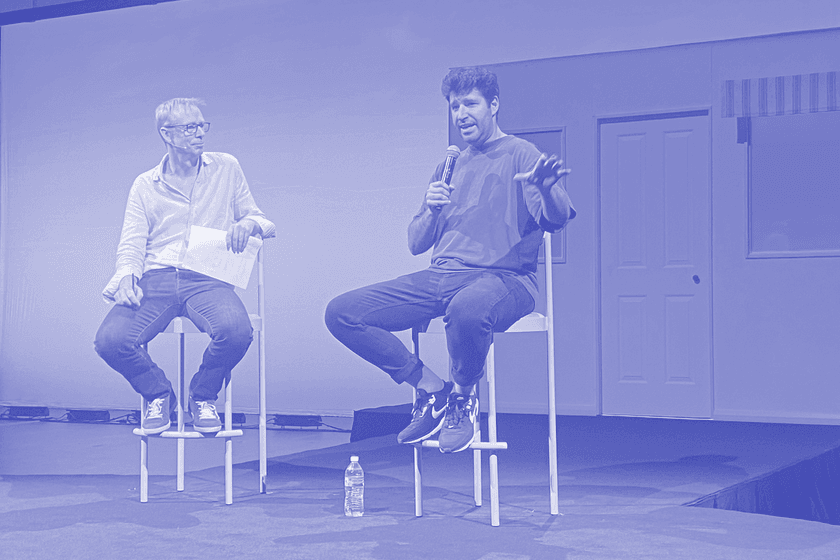
At Blackbird’s Sunrise event the Canva COO said growth in headcount would slow to 5% from 50% in earlier years as he unveiled a new AI competency framework for staff.

After the spectacle of Create, Canva’s AI strategy faces the question confronting every software company: how much intelligence to own and how much to rent.

Canva’s co-founder and COO Cliff Obrecht tells Capital Brief why the company is betting its 250 million users — and its private company advantage — on becoming one of the world’s top AI platforms.

Canva has ripped up its product for the AI era, betting a full reboot and new pricing model can transform it from a design software company into a workplace software giant.
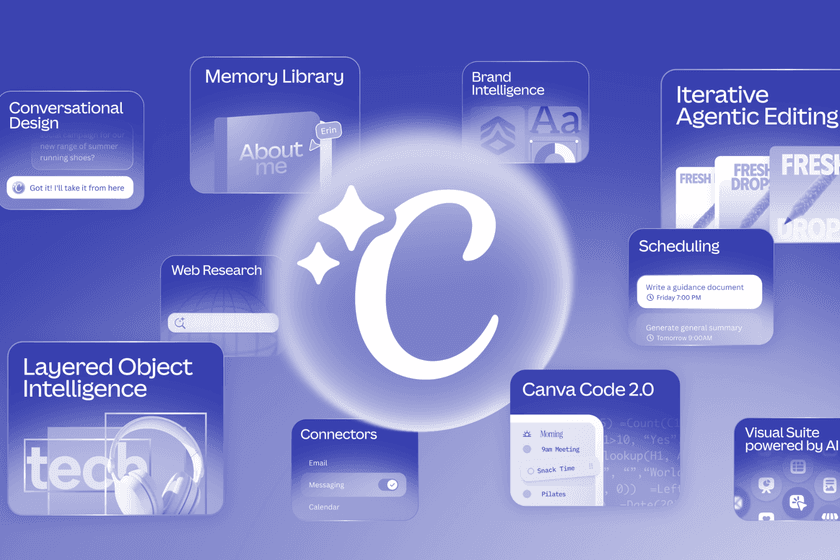
Canva’s IPO has been pushed back as it begins a radical transformation from a SaaS-based business to one built around AI credits — pitting it directly against Anthropic and OpenAI.
The dual acquisition, announced ahead of next week’s Canva Create in Los Angeles, brings together agentic AI and marketing automation as the design giant signals its most ambitious transformation yet.
A string of startup acquisitions is putting liquidity back on the table for VCs, even as questions linger about lost breakout potential.
When one Slack post at Canva can spark mass redundancy fears, it says more about the software sector’s anxiety than the company itself.

Canva has moved to allay fears of job cuts after a since deleted internal post from co-founder Cliff Obrecht sent alarm bells ringing inside the company.

The design giant has pushed back against suggestions job cuts at the startup it acquired in 2024 could be imminent as part of a restructure.
With more than 300 open roles — about 5% of its workforce — Canva is pushing ahead with expansion even as the broader tech sector retrenches.
As Canva readies for a US listing, Australia’s startup scene faces a bigger question: can one giant exit spark a cycle of reinvestment and growth?

The VC firm has given one of the clearest signals yet that Canva is ready for an IPO next year, telling investors the design giant’s revenue and valuation continue to surge.

While wearing a jacket designed using AI, Canva's co-founder Cameron Adams rejected claims AI hampers creativity, and says he wants Australia to become Southeast Asia's AI computing hub.

Canva's flurry of AI related deals now make a lot more sense. But in launching its Creative Operating System, it risks losing the simplicity that is behind its success.

Canva’s belated 2021 and 2022 accounts show statutory losses. Yet far from disproving its profitability, the filings reflect the standard software company playbook.
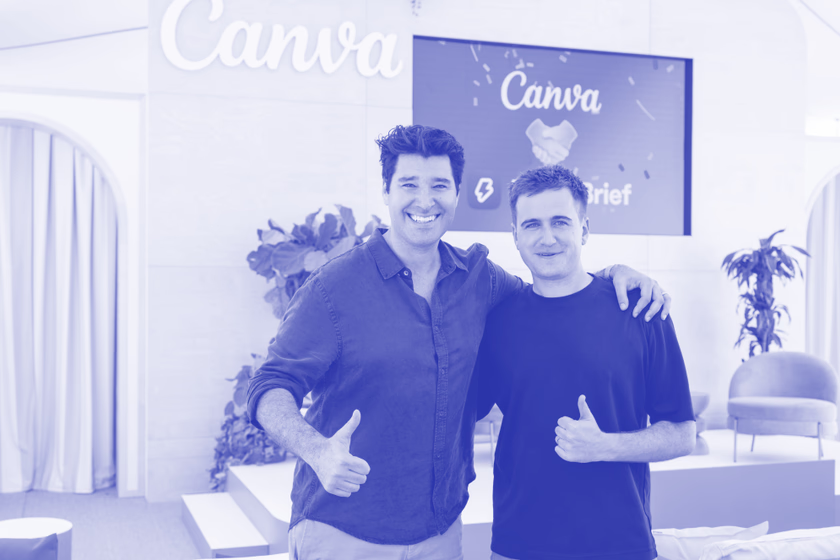
Regulatory filings reveal a flurry of activity at the design company and detail for the first time the price it paid for a fledgling Sydney AI startup.
With 240 million users and booming revenue, Canva’s momentum is clear. But next to Big Tech’s towering numbers, there's still plenty we don't know.
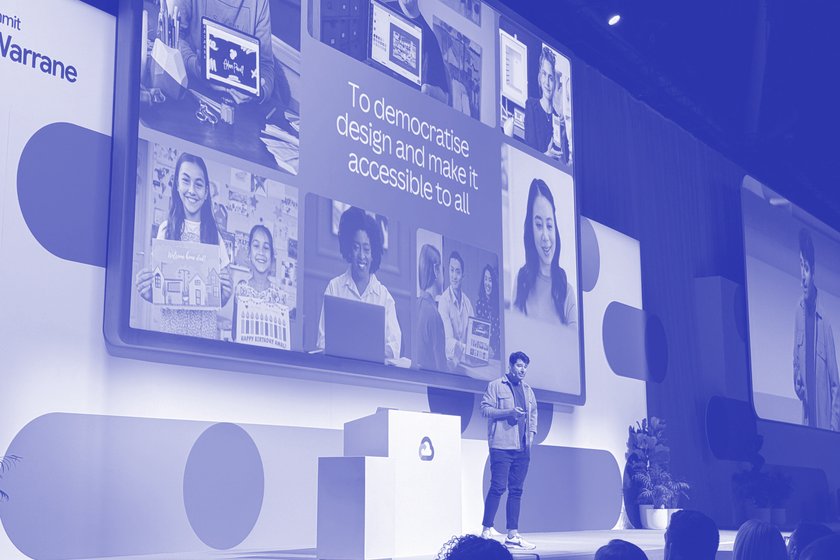
Canva's annual recurring revenue is now US$3.3 billion, according to co-founder Cliff Obrecht, as its enterprise sales double year-on-year.
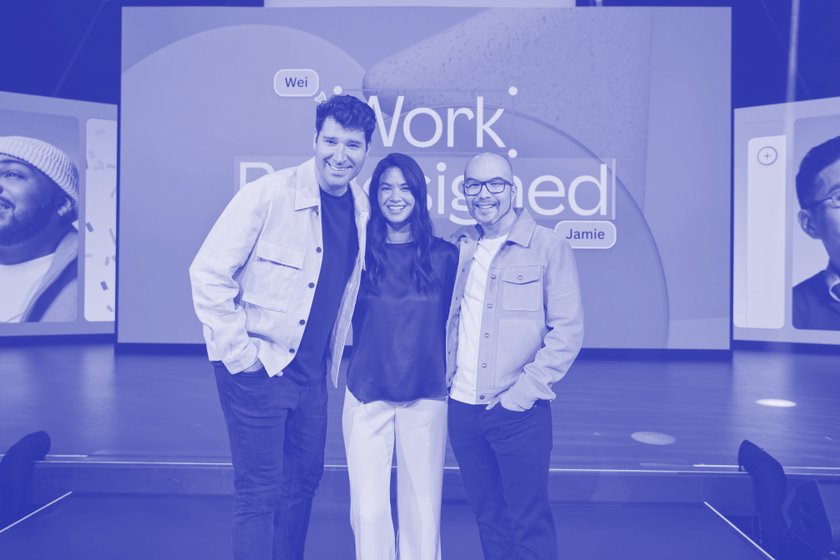
Australian design giant Canva is appearing on US trading platforms despite the company forbidding such transactions, as demand for pre-IPO exposure continues to rise.

Figma’s IPO filing offers a key test case for Canva’s public market ambitions — and billions in Australian venture capital returns are hanging in the balance.
Canva is boosting its artificial intelligence credentials through acquisitions, mirroring the strategies of the world’s biggest tech companies.
Goldman Sachs and Morgan Stanley helped it sell more than $1.5 billion in stock last year. But time around, Canva is handling its latest secondary on its own.
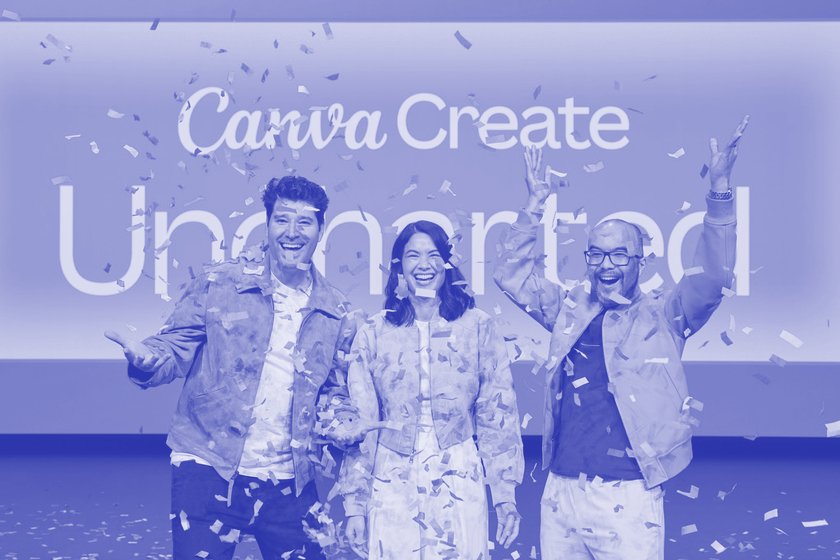
The Australian design software unicorn's latest product launch marks a turning point in its transition from disruption to durability.

Your email address will be stored in accordance with our privacy policy.