Good morning. Here's what happened overnight and what you need to know today.
1.
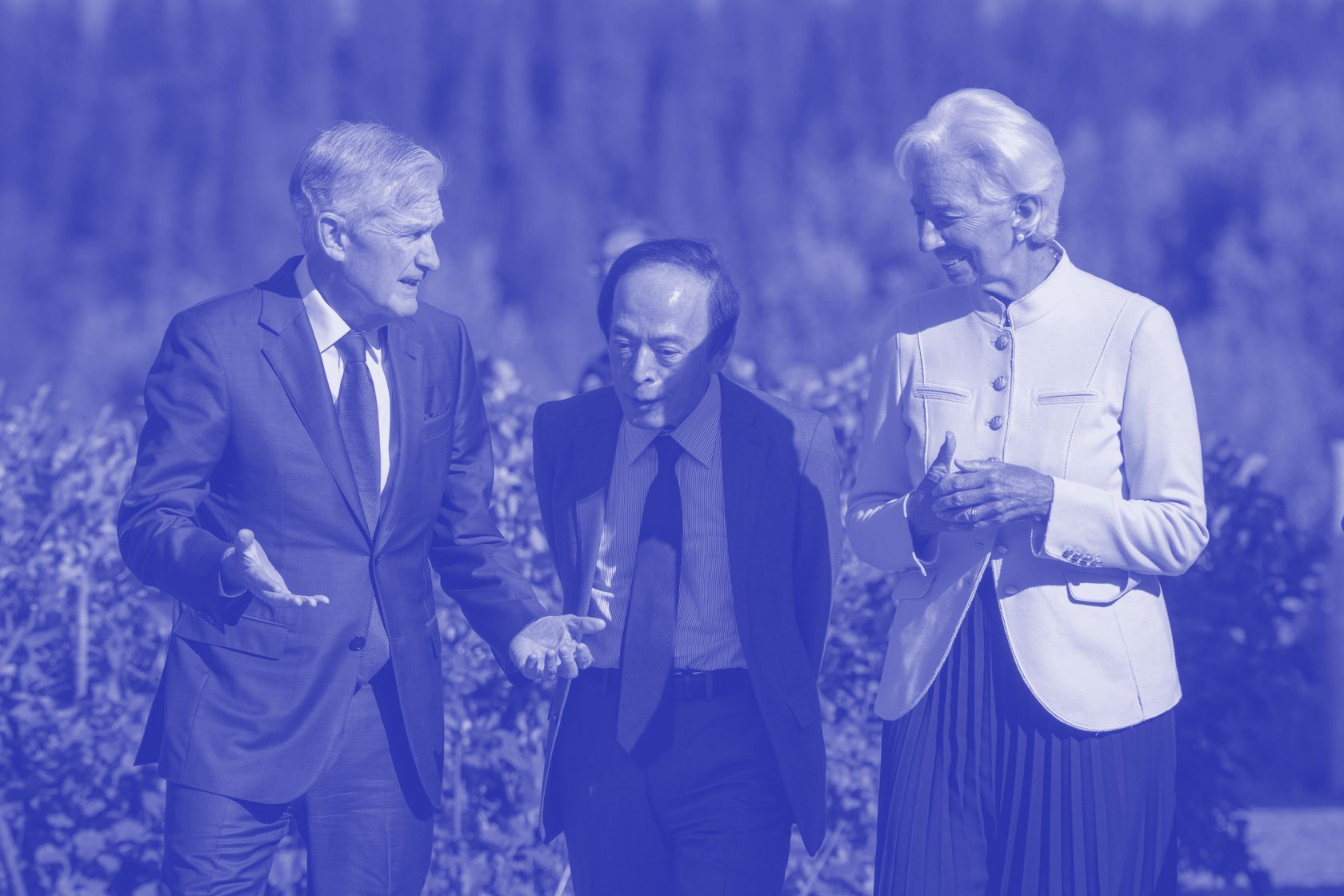
Powell(ful) moves: Jerome Powell used his keynote speech at the Jackson Hole symposium Friday to signal the US Fed could be headed for an interest-rate cut as soon as its September 16–17 meeting, even as clear divisions remain among policymakers. He said the economy has handed officials a “challenging situation,” with inflation still above the 2% goal and a labour market showing “curious” signs of weakness, adding the central bank may look at changing its "policy stance". Powell also unveiled a new framework that removes language tied to pre-pandemic low inflation and sets the Fed up to more clearly focus on maximum employment and stable prices. Markets surged, with the Dow closing at a record high, the S&P 500 gaining 1.5%, Treasury yields falling and the dollar tumbling. Futures traders now put the odds of a September cut back at around 80 to 90%. The next test for the rally comes Wednesday, when Nvidia reports earnings that traders see as a crucial gauge of whether the AI boom can keep driving markets higher. (Bloomberg)(Reuters)(WSJ)(US Fed)
2.
The Signal: A push by Tech Council of Australia chair Scott Farquhar to loosen copyright laws to support AI development has sparked anxiety and anger among creative communities and media executives, and concern within the Tech Council itself. At a recent online meeting, a member warned the current focus on copyright reform is too narrow, primarily benefits a small segment of TCA members and creates reputational risk, Capital Brief reported. The Productivity Commission has also proposed text and data mining exemptions for AI platforms, but key industry groups including News Corp, the Motion Picture Association and the Australian Writers’ Guild are firmly opposed. The Labor government has not ruled out changes, and the Commission is accepting feedback until mid-September. Meanwhile, Blackbird reportedly told investors that one of its oldest funds (its 2015 vintage) has dropped 5% in value this year to $174 million, with over half the portfolio written down to zero, The Australian Financial Review reported, citing investor correspondence. (Capital Brief)(AFR)