Trump says shutdown ‘likely’, threatens mass federal job cuts
Plus: Confusion as reports of BHP ore ban disputed in China; Meta signs $21.5b CoreWeave deal for AI computing power; Australian home prices post strongest rise in a year.

Good morning. Here's what happened overnight and what you need to know today.

1.
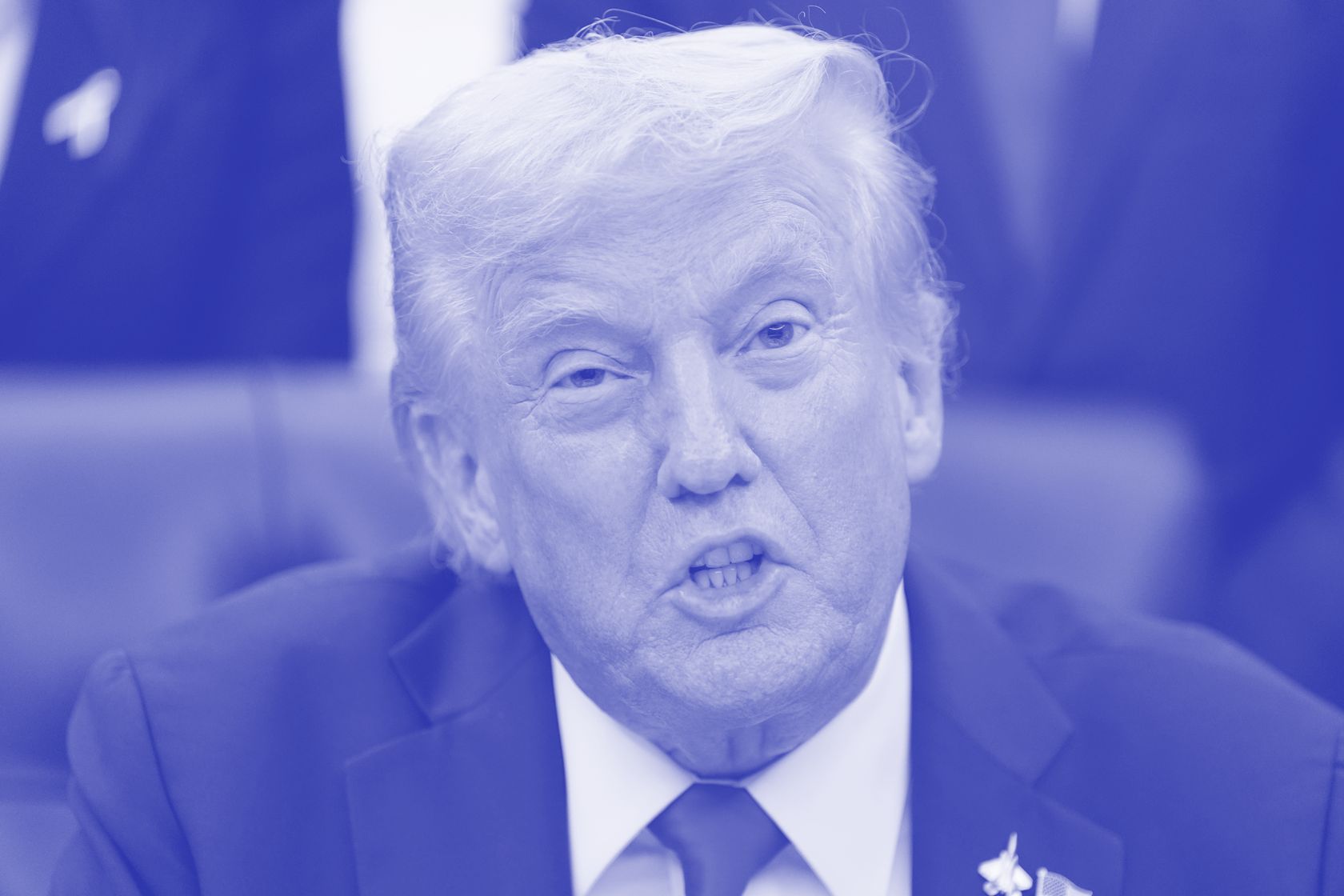
Shutdown firings: Donald Trump warned congressional Democrats that allowing the federal government to shut down at midnight would enable his administration to take “irreversible” actions, including shutting down programs important to them and cutting “vast numbers of people” from the federal workforce. Trump said “we may do a lot” when asked how many federal workers might be laid off. “Nothing is inevitable, but I would say it’s probably likely,” Trump said. “We can do things during the shutdown that are irreversible, that are bad for them and irreversible. Like cutting vast numbers of people out, cutting things that they like, cutting programs that they like,” he said. “So, they’re taking a risk by having a shutdown.” The White House has directed agencies to draw up plans for widespread firings if the government closes down. The Congressional Budget Office estimates approximately 750,000 federal employees would be furloughed each day on the shutdown, which will begin at 12:01 am Wednesday local time (2:01 pm AEST) unless Congress agrees on a deal to temporarily fund federal agencies. The last US government shutdown happened in 2018-2019, also under Trump, and lasted over a month. (White House)(Bloomberg)(WSJ)(Reuters)
2.
Iron fist?: China’s state-run iron ore buyer, China Mineral Resources Group (CMRG), reportedly ordered steelmakers and traders to halt purchases of all new BHP cargoes, according to Bloomberg, citing stalled negotiations over contract pricing. The move appeared to expand an earlier restriction on BHP’s Jimblebar blend fines and was framed as part of Beijing’s broader push to gain influence over global pricing. However, Chinese commodity pricing firm Mysteel disputed the Bloomberg report, calling the rumoured ban “untrue” and stating that no such directive had been issued to mills. BHP declined to comment on commercial talks, and other major producers including Rio Tinto and Fortescue also remained silent. The confusion highlights the fragile state of negotiations and China’s ongoing efforts to rebalance power in iron ore markets. Meanwhile, Japan’s Nippon Steel acquired a 30% stake in the Kami iron ore project in Canada, forming a joint venture with Australia’s Champion Iron and Sojitz. The project produces high-grade, globally scarce iron ore suitable for direct reduced iron production. (AFR)(Bloomberg)(Capital Brief)(Nippon Steel)(Champion Iron)
3.
AI tie-ups: CoreWeave agreed to supply Meta Platforms with as much as USD14.2 billion ($21.5 billion) worth of computing power to help the social media giant develop and power its advanced AI models, Bloomberg reports. As part of the agreement, CoreWeave will provide Meta with access to Nvidia’s latest GB300 systems, CEO Michael Intrator said. “They loved our infrastructure in earlier contracts and came back for more,” Intrator added. The deal will help CoreWeave diversify its business away from Microsoft which, accounting for 71% of CoreWeave’s revenue last year, makes Microsoft its largest customer. Meta has spent heavily on AI infrastructure as CEO Mark Zuckerberg doubles down on efforts to compete in the fast moving and capital intensive AI race. The deal comes just days after CoreWeave expanded its agreement with OpenAI to a total of USD22.4 billion. CoreWeave shares climbed almost 12%. (Bloomberg)(CNBC)(Reuters)(Capital Brief)
4.
Spring gains: Cotality's Home Value Index (HVI) update saw Australian home prices post their strongest monthly gain since October 2023 in September, as scarce supply continues to see selling conditions strengthen. The HVI recorded a 0.8% increase in September, powered by growth conditions across the capital cities, where values rose 0.9% over the month. Bellwether Sydney climbed 0.8%, taking the median result for the nation’s major cities up 0.9%. Home values have risen across each of the broad value tiers, Cotality said. However, the strongest pace of growth has rippled from the lower quartile of the market to the broad middle. This is likely a reflection of increased borrowing capacity thanks to lower interest rates, which in turn is supporting demand at slightly higher price points. Cotality also said that advertised stock levels are below average across every capital city, adding to the momentum in home value growth. (Capital Brief)
5.
New member: OpenAI is now a member of industry body the Tech Council of Australia (TCA), amid chair Scott Farquhar’s push for Australia to position itself as a data centre hub for Southeast Asia. The USD500 billion ($750 billion) startup has been expanding locally. In August it announced a Sydney outpost, and last month its executives met Treasurer Jim Chalmers to discuss potential “strategic investments”. The TCA’s original chief executive, Kate Pounder, stepped down in January last year and was then hired by OpenAI as its Australian policy liaison earlier this year. While the TCA broadly represents the Australian tech industry, its focus on AI investment has caused some divisions, with one company arguing that copyright reform "is too narrow and primarily benefits a small segment of TCA members." Meanwhile Canva, which represents both tech and creative interests, says it's in favour of protecting IP protections. (Capital Brief)
6.
Trump’s dispensary: Donald Trump announced a deal with Pfizer to lower US drug prices and give the company a three-year grace period from pharmaceutical tariffs. At an Oval Office event with Pfizer CEO Albert Bourla, Trump said Pfizer would “offer all of their prescription medications to Medicaid” at “most-favoured nations prices” and price newly launched drugs “at parity with other key developed markets”. Pfizer will also sell a “large majority” of its primary care treatments and “some select specialty brands” directly to consumers through a new government website, TrumpRx.gov, with savings “as high as 85% and on average 50%,” it said in a statement. The deal makes Pfizer exempt from 100% tariffs announced last week, which apply unless a company is building a manufacturing plant in the US. Pfizer is the first drugmaker to confirm a deal after Trump in July wrote to major pharmaceutical companies instructing them to lower prices to international levels. The agreement includes a USD70 billion ($105.8 billion) US investment by Pfizer. Its shares rose 6.8%, alongside others in the sector.(Capital Brief)(Pfizer)(Reuters)
7.
War within: Trump and Defence Secretary Pete Hegseth denounced diversity initiatives, attacked what they called “woke garbage” and described American cities as “training grounds” for the military at a rare gathering of more than 800 generals and admirals in Virginia. Trump told the officers the US faced “an invasion from within,” saying “San Francisco, Chicago, New York, Los Angeles, they’re very unsafe places and we’re gonna straighten them out one by one.” He said the military was “the knife’s edge in combating” drug cartels and defended sending National Guard troops to US cities over objections from local officials. Hegseth opened his speech by criticising “fat generals” and saying “the era of unprofessional appearance is over. No more beardos.” He told officers who disagreed with his vision to “do the honourable thing and resign,” and defended firing senior leaders, including the top US general and the Navy’s top admiral. He said fitness standards would be set to male benchmarks only and promised to change how complaints and personnel records are handled. (Reuters)(WSJ)(Bloomberg)(NYT)
8.
Tech update: OpenAI released a standalone social app powered by a new version of Sora, its AI video generator, allowing users to create and share short AI-generated clips and view other users’ videos. The release puts OpenAI in closer competition with TikTok and Meta, and revives concerns over AI-generated content and copyright. It comes as Citigroup lifted its forecast for AI-related infrastructure spending by tech giants to more than USD 2.8 trillion ($4.2 trillion) through 2029, citing aggressive early investments by hyperscalers and growing enterprise demand. Meanwhile, Amazon unveiled a refreshed lineup of devices optimised for home security and its new AI-infused Alexa+ voice assistant, including Echo speakers, Fire TV streaming devices, a new Kindle reader and upgraded Ring and Blink cameras. The devices feature new chips, facial recognition, and personalised responses powered by Alexa+, as Amazon turns its focus into devices. Elsewhere, Spotify said founder and CEO Daniel Ek will step down in January to become executive chairman as the company adopts a co-CEO model. Ek described his new role as moving from a player to a coach. (OpenAI)(Spotify)(Bloomberg)(Reuters)
