
Private credit is booming in part because banks are pulling out of lending to riskier sectors. But the big lenders are still clipping the ticket on the surging asset class.

Your complimentary access ends . To keep reading without interruption, subscribe today.
Private credit is booming in part because banks are pulling out of lending to riskier sectors. But the big lenders are still clipping the ticket on the surging asset class.

The major banks make consistent profits and pay solid dividends, but they seem unjustifiably expensive. Competitors are looming and winning share but their share prices are not for the faint-hearted.

The predicted cost benefits from artificial learning are overstated, according to Macquarie analysts, while regulators are also adding notes of caution to the most ambitious plans.
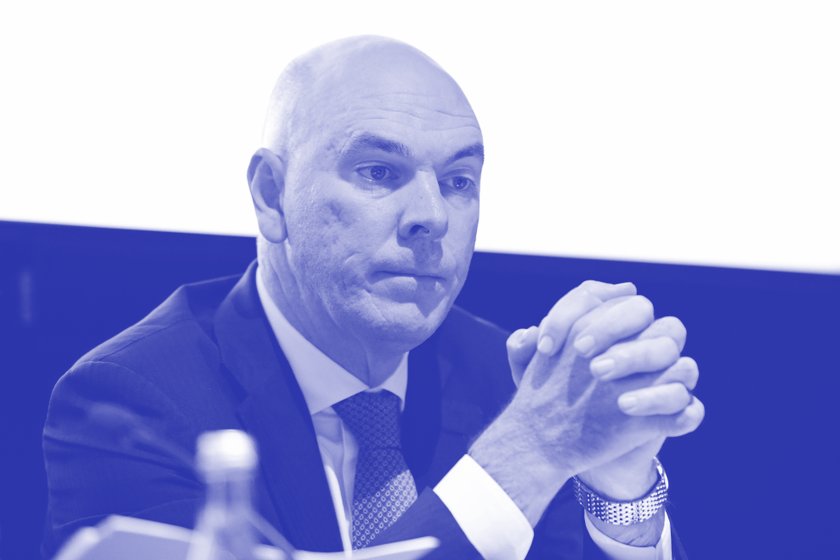
The millionaire factory's trading update showed it will keep the pressure on margins, with the focus now shifting to Commonwealth Bank and Bendigo Bank results — and the ongoing strength of bank shares.

Four big banks, four models of corporate venture capital. CBA's is the most tightly controlled — but in return, it promises a more efficient pathway to scale.

Up is on track to hit 1 million customers in October, just in time for its sixth birthday.

As the bad news keeps piling up for ANZ, investors are watching closely to see if CEO Shayne Elliott can prevent the bank's reputation from collapsing.

Demographic shifts may partly explain widespread selling of bank stocks by mum and dad investors — which has driven retail ownership of three of the big four to its lowest levels.
While data remains largely anecdotal, a raft of new deals suggests the NPP's fledgling PayTo feature is gaining traction and accelerating the take up of real-time payments.

Andrew Irvine took over NAB at a high point for the lender. But now things are slowing a strategic review will guide how much his predecessor's strategy needs to be "evolved".

While older than incumbent Shayne Elliott, Mark Whelan's impressive turnaround of ANZ's oft-maligned institutional bank had given him an inside run to be the next CEO. But the past is back to haunt him.

ANZ's efforts to restore its reputation are at risk after fresh reports of bad behaviour by its bond traders.

Decades ago, big retailers eagerly offered cash out at checkout because they profited from handling cash. Today, it costs them money — and they’re clamping down.

The banks are facing off with fintechs in the debate over the failure and future of open banking in Australia. Either way, the regime faces obvious challenges.

Depending on who you listen to, Australia's open banking regime is a game changer that just needs time to grow, or a failed scheme that no one uses.

Progress is slower than many hoped, but critical stages of the rollout of Australia's Consumer Data Regime are being passed. But major banks have ramped up complaints.

There are concerns that private credit is a late cycle play drawing in unsophisticated money. Others argue the withdrawal of banks is bringing in non-bank players who understand the market. And private wealth funders.

The big banks have a mixed record with their VC funds, but National Australia Bank remains committed to NAB Ventures and it's on the lookout.

Mortgage competition has eased, which is good news for banks. But competition for deposits is now heating up.

The finance sector is looking beyond box ticking for a competitive edge using social enterprises in their ESG programs. Budget measures help fuel the sector's growth.

For some, size brings scale efficiencies. For others, costly complexity. Technology and regulation are the battle ground for scale in banking and it is here smaller banks are seeing opportunity.

Lenders are paying closer attention to buy now, pay later loans when assessing how much to offer prospective home buyers.

Private debt, often funded by family offices, is rapidly growing and crucial in supporting property development in a tough market. Even big banks are supportive.

Your email address will be stored in accordance with our privacy policy.