
The Consumer Data Right appeared to have lost the interest of the government despite its huge promise. Now it has a clear agenda, and banks and fintechs are on notice.

Your complimentary access ends . To keep reading without interruption, subscribe today.
The Consumer Data Right appeared to have lost the interest of the government despite its huge promise. Now it has a clear agenda, and banks and fintechs are on notice.

The major banks make consistent profits and pay solid dividends, but they seem unjustifiably expensive. Competitors are looming and winning share but their share prices are not for the faint-hearted.
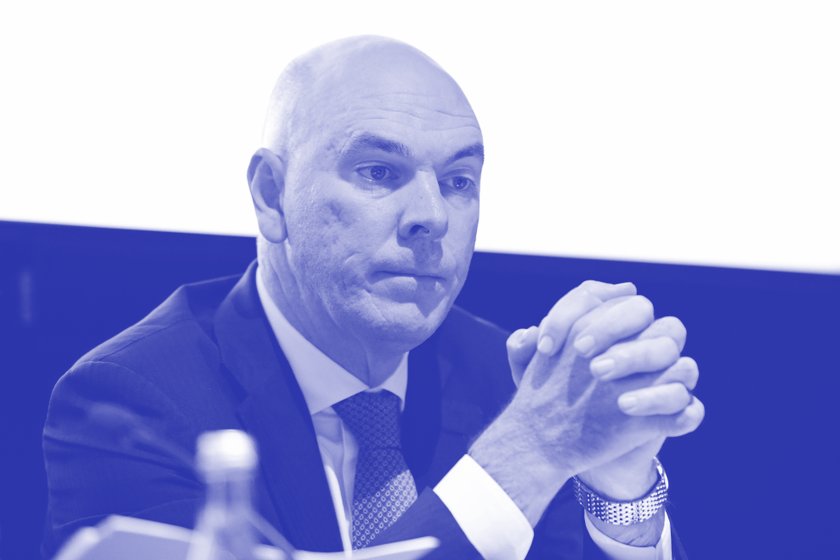
The millionaire factory's trading update showed it will keep the pressure on margins, with the focus now shifting to Commonwealth Bank and Bendigo Bank results — and the ongoing strength of bank shares.
While data remains largely anecdotal, a raft of new deals suggests the NPP's fledgling PayTo feature is gaining traction and accelerating the take up of real-time payments.
While older than incumbent Shayne Elliott, Mark Whelan's impressive turnaround of ANZ's oft-maligned institutional bank had given him an inside run to be the next CEO. But the past is back to haunt him.
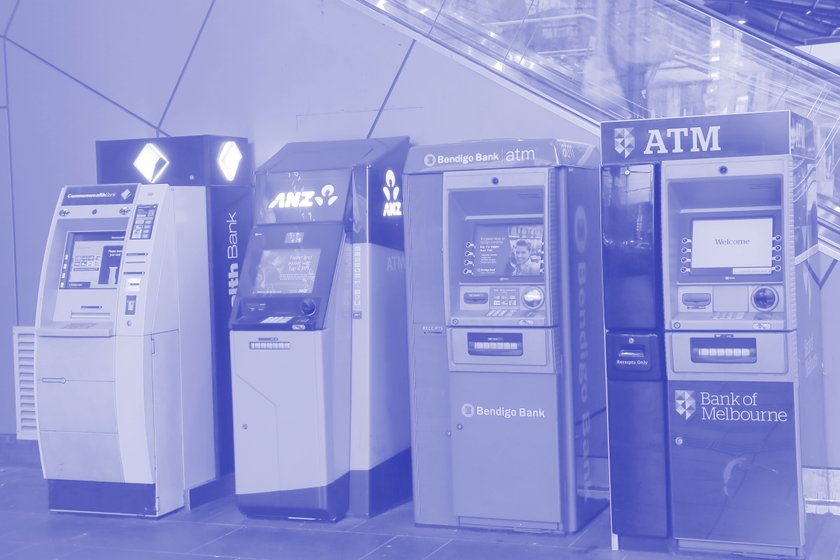
The banks are facing off with fintechs in the debate over the failure and future of open banking in Australia. Either way, the regime faces obvious challenges.

There are concerns that private credit is a late cycle play drawing in unsophisticated money. Others argue the withdrawal of banks is bringing in non-bank players who understand the market. And private wealth funders.

For some, size brings scale efficiencies. For others, costly complexity. Technology and regulation are the battle ground for scale in banking and it is here smaller banks are seeing opportunity.

Crypto, decentralised finance and digital asset tokenisation failed to make the list of the federal government's banking priorities, and rightly so. But Australia does risk falling behind other markets.

Anti-fraud measures and workplace productivity are among the most immediate use cases for AI in financial services — but human intelligence remains central.

Despite the struggles faced by pure play BNPL providers, the payment option looks like it will survive, boosted by popularity among younger people. But it's the established players who may benefit the most.

Investors drove WeMoney's new $3 million funding round and its founder says that reflects a view greater opportunities are emerging, amplified by better access to comparable data via the Consumer Data Right.

Bull runs are by nature quixotic and the current one in bank stocks has no visible means of support. A very predictable earnings season has added little to the story.

Australia's banks are solid, with the economy resilient, bad debts under control and margin pressure easing. But investors are increasingly asking how these unexciting fundamentals support over-valued shares.

Most of the big four banks will actually be financing more CO2 emissions in 2030 than they do today courtesy of loopholes in their fossil fuel exclusion policies.

A new probe from ASIC — and a recent win in the Federal Court — show how the emboldened regulator is taking on the financial services industry.

It's rare to hear calls for more regulation and rarer for it to come from challengers to an industry. But both smaller banks and crypto traders want to hear more from the regulators.

2024 is the year of succession for Australia's major banks. The one exception is CBA, where Matt Comyn is well-settled — but there are hints he too may be looking further afield.

From near death to high-staff turnover to creating billionaires, Airwallex is one of the highest-profile fintechs in the market. Now it's sponsoring an F1 team. And making no excuses for its culture.

From startups to sustainable energy plays, the new economy is crying out for capital. Where are the banks?

The big four bank has a crisis CEO and a cyberpunk tech platform. Both are going to change, its chair Steven Gregg has been telling investors and analysts.

Driven by younger consumers, lower fees and debt aversion, debit cards have grown strongly for two decades, largely at the expense of traditional credit cards. But the shift seems to have halted.

The introduction of the Consumer Data Right three years ago aimed to give consumers power over their data and help negotiate better banking and energy deals. Is momentum finally building?

ANZ had two chances to overturn an ACCC rejection of its bid for Suncorp Bank. It only needed one, with the Competition Tribunal waving the bid through.

ANZ and Macquarie provided little new on bank earnings but all eyes will be on Commonwealth Bank for any slips in its high-wire act.

If ever there was a business model for the times it was buy now, pay later. Load up young consumers with debt on the promise there was no interest cost, charge merchants high service fees to cover marketing, and rely on cheap funding, FOMO and a very benign credit cycle.
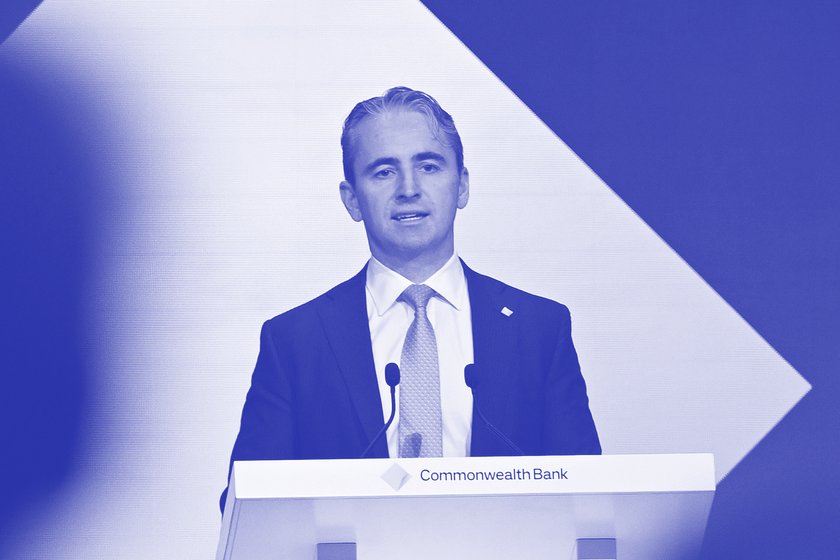
For value investors, Australia's biggest bank is a conundrum. It is expensive on every measure but its share price keeps on flying and has defied gravity for almost two decades.
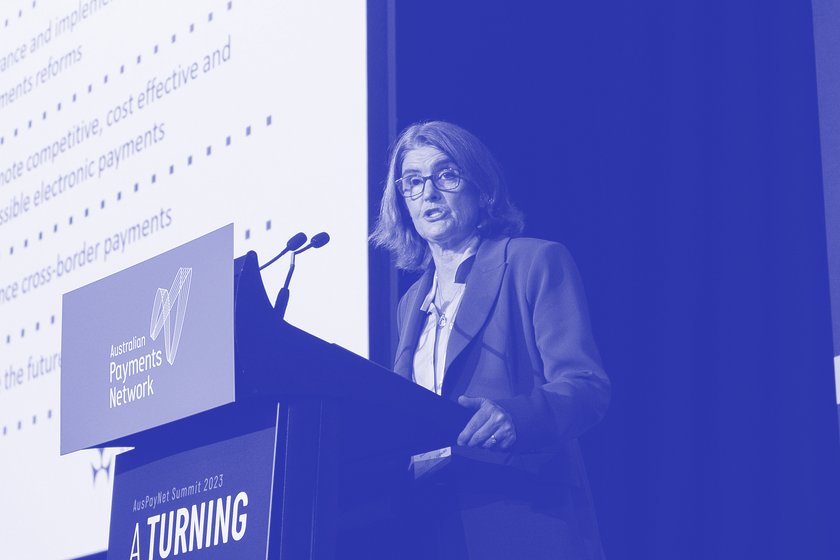
More and more merchants are surcharging you just to pay them. It's hitting the tips of waiters and also distorting price signals in the payment system.

The new year promises reprieve for margin-crunched bank investors — at least if the ASX bank index can be believed. But not everyone thinks it can.

The festive season is a crucial proving ground for how spenders and sellers want to transact. Will more want to do it on the real-time NPP this year?

Bitcoin is nearing two-year highs, institutional money is engaging, and ETFs are on the horizon. But would you hold cryptocurrency as a nest egg or inflation hedge? And when was the last time you bought something with crypto?

Major bank partnerships, raisings and actual profits signal there's some optimism in fintech, but capital and startups are in short supply.

Cryptocurrencies dominate the headlines around blockchain and tokenisation, but crypto purists are awakening to the world outside currencies and assessing other assets worth vastly more.

Blown-out and failed major tech projects in the finance sector have a history of shareholder value destruction, dating back decades. Now a new wave has started — including at ANZ, Westpac and the ASX.
The banks have too much capital and not enough to do with it. The sector is clearly ex-growth and went downhill into the second half. So where now?

Your email address will be stored in accordance with our privacy policy.