Reserve Bank of Australia
RBA
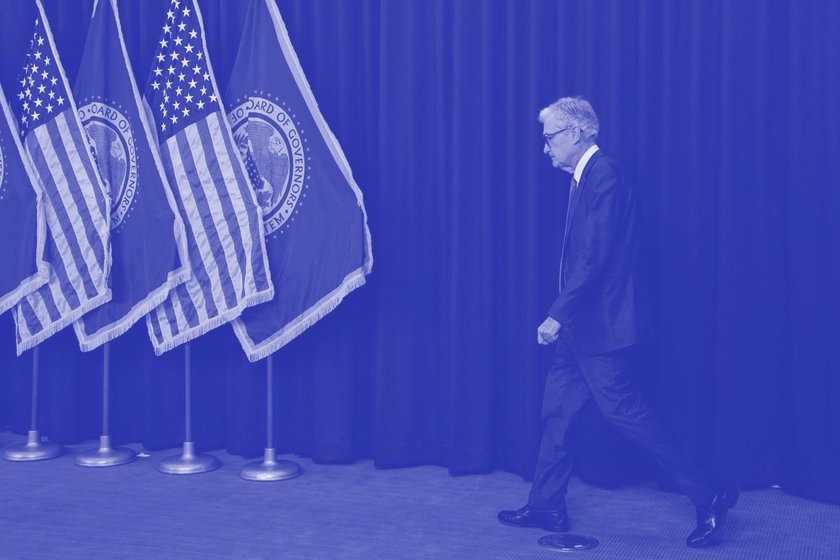
The Federal Reserve is widely expect to cut interest rates on Thursday morning, but experts say a disconnect between the US and Australia on monetary policy is likely to endure.

Amid a push for extra fees in the new real time payments system, the RBA has warned participants to recognise the benefits they are receiving, not just their spend.
While one of the biggest focuses of the week will be the Federal Reserve rate decision, there's also some critical data being released locally.
RBA officials are grappling with economic uncertainty, prompting speculation that rate cuts could come sooner than expected as forecasts and data evolve.
RBA insiders say the past week's public tensions over comments by Jim Chalmers have been 'frustrating'. And they may make the already tough job of reforming the central bank even harder.

RBA governor Michele Bullock today refused to be drawn into the debate over Jim Chalmers' recent comments on interest rates, instead imploring people to focus on the real enemy: inflation.
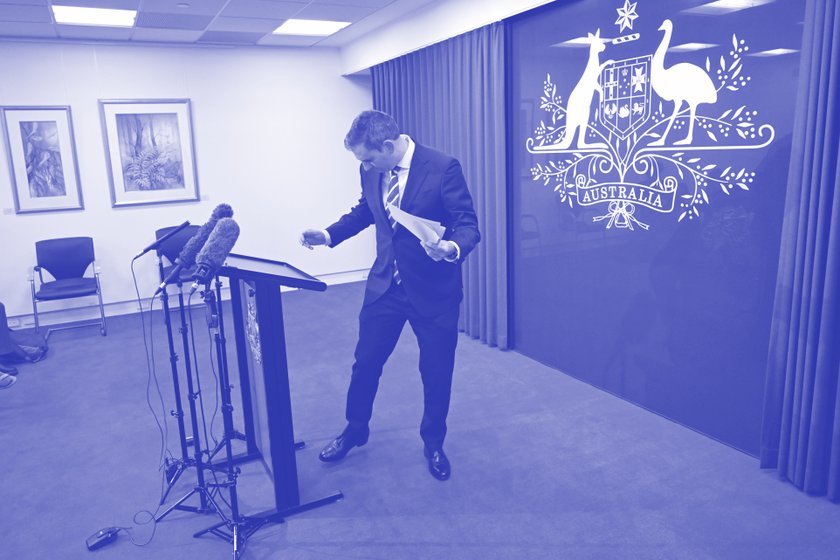
The government is not at war with the Reserve Bank. Not yet, anyway.
Are small merchants cross subsidising large ones for digital payment costs? Who should pay for cash? Who's making money from surcharging? The payments debate is heating up.

Documents obtained by Capital Brief show the central bank wants more accurate inflation data — including a measure that strips out government subsidies.

Fresh insider claims suggest the ASX's tech problems were widely known inside and outside of the company - long before they were acknowledged by it and regulators.

The Consumer Data Right appeared to have lost the interest of the government despite its huge promise. Now it has a clear agenda, and banks and fintechs are on notice.
Unemployment will be back in the spotlight, with RBA officials fronting up in Canberra not long after the new data is published.
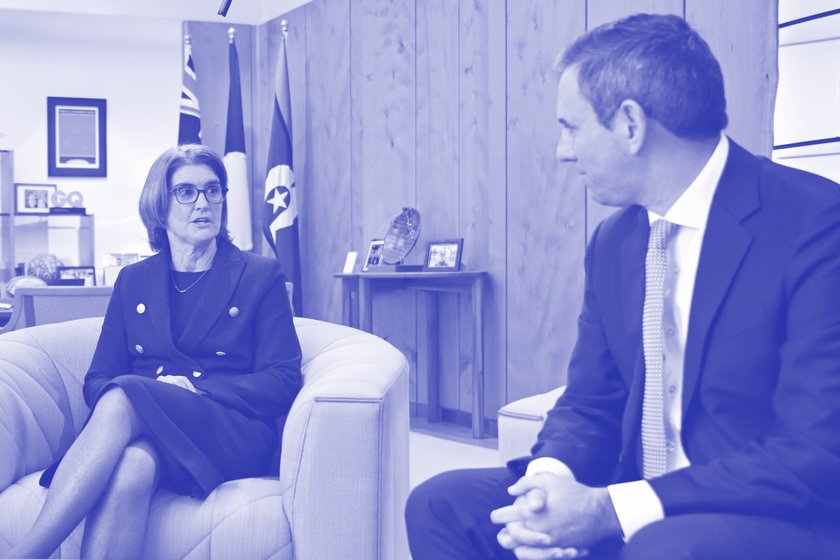
The RBA and Treasurer have been at odds this week, but the central bank governor says the Albanese government is "doing what they can do" on inflation.
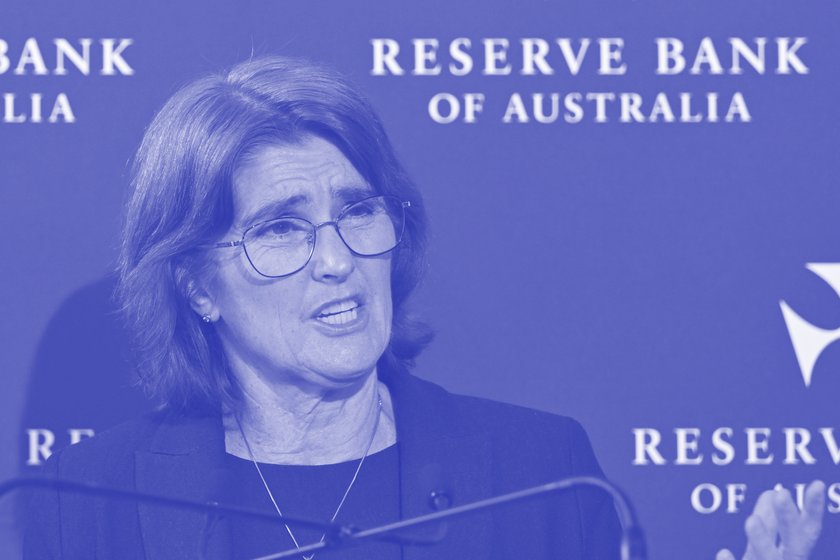
Ever since Michele Bullock took the reins at the Reserve Bank she has been singing from the same songbook as Jim Chalmers. But the two economic heavyweights struck very different tones this week.
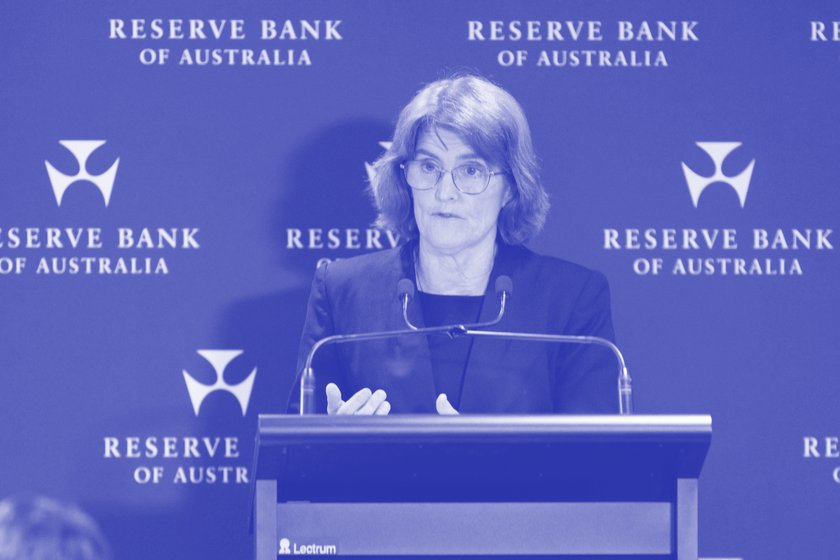
Investors hoping this week's market turmoil might increase the chances of a near-term rate cut were left sorely disappointed on Tuesday.

The latest CPI data has been welcomed by both the government and the markets. But the inflation fight isn't over.

The predicted cost benefits from artificial learning are overstated, according to Macquarie analysts, while regulators are also adding notes of caution to the most ambitious plans.

The Albanese government, and millions of Australian homeowners, will be watching closely to see if this week's inflation data increases the likelihood of a rate hike next month.
The millionaire factory's trading update showed it will keep the pressure on margins, with the focus now shifting to Commonwealth Bank and Bendigo Bank results — and the ongoing strength of bank shares.
While data remains largely anecdotal, a raft of new deals suggests the NPP's fledgling PayTo feature is gaining traction and accelerating the take up of real-time payments.

Rates are up since the beginning of 2022 and more borrowers are falling behind on their home loans. For the RBA, the picture is less bleak than it sounds.

From the third quarter of this year, economists think headline inflation will fall into the 2% to 3% range. But the RBA’s preferred measure will be markedly higher. This poses a challenge.
Decades ago, big retailers eagerly offered cash out at checkout because they profited from handling cash. Today, it costs them money — and they’re clamping down.
The banks are facing off with fintechs in the debate over the failure and future of open banking in Australia. Either way, the regime faces obvious challenges.

Monetary authorities across the world are admitting they are in unfamiliar territory in the inflation fight.

Billions of dollars in cost of living assistance including the stage 3 tax cuts and energy bill measures from state and federal governments are now set to hit bank accounts, just days after the latest data showed inflation has spiked.
